
Practical
Camino Portugués vs Camino Francés: Which One Should You Choose?
A side-by-side comparison of the two most popular Caminos — distance, scenery, crowds, food, and which one suits which kind of pilgrim.
April 10, 2026 · 10 min read
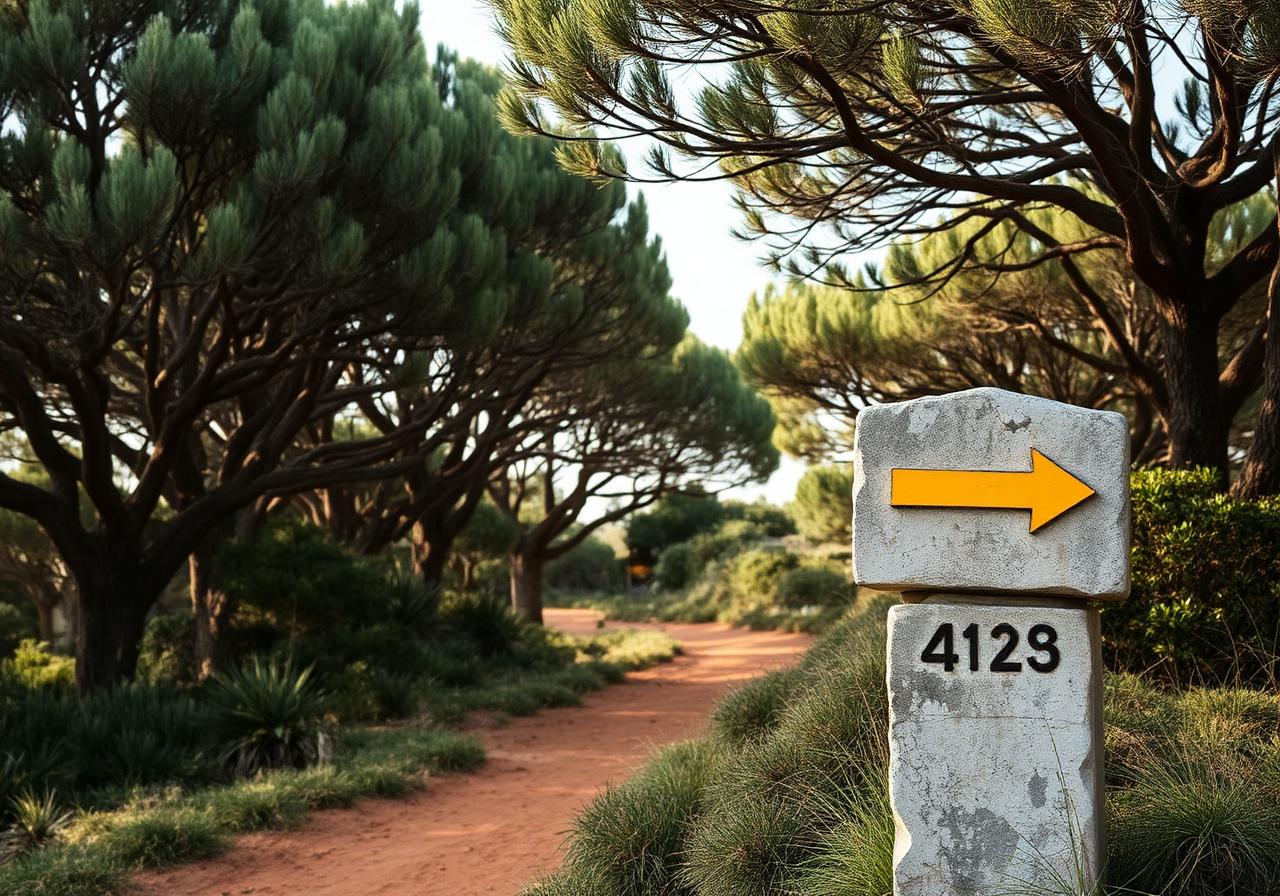
If you're choosing your first Camino, the decision usually comes down to two routes: the Francés (780 km from France) and the Portugués (260 km from Porto). Both end at the same cathedral. They are very different experiences.
Distance and time. The Francés is roughly three times longer. The Portugués Central from Porto fits comfortably in two weeks; the Francés needs four to five.
Scenery. The Francés crosses the Pyrenees, vineyards of La Rioja, the wide Meseta, and the green hills of Galicia. The Portugués is gentler — eucalyptus forests, vineyards, and small farming villages, with a coastal variant that hugs the Atlantic.
Crowds. The Francés is busier overall, but the last 100 km from Sarria is the single most crowded stretch of any Camino. The Portugués feels quieter until the final week, when both routes converge with pilgrims walking the minimum distance.
Food. Galicia is excellent on both routes. The Francés gives you more variety — Basque pintxos, Riojan wine, Castilian roast lamb, Bierzo cuisine. The Portugués has incredible seafood, francesinha sandwiches in Porto, and vinho verde.
Difficulty. The Francés has one truly hard day (the Pyrenees). The Portugués has no major climbs.
Choose the Francés if: you want the full classical experience, have 30+ days, and enjoy meeting many people. Choose the Portugués if: you have two weeks, prefer gentler terrain, or want a quieter walk with great seafood.
Keep exploring
Next stops & related posts
Towns, stages, and stories connected to this article — your jumping-off points to plan the next stretch of the Camino.
Pilgrim guides
Towns to visit
Norte, Portugal
Porto
The Douro's port-wine city and starting point for most Portugués pilgrims.
Norte, Portugal
Barcelos
Home of Portugal's iconic rooster legend — and a thriving Thursday market.
Norte, Portugal
Ponte de Lima
Portugal's oldest town — strung along a Roman bridge over the river Lima.
Pontevedra, Galicia
Tui
The Spanish gateway across the Miño from Valença, crowned by a fortress cathedral.
Galicia
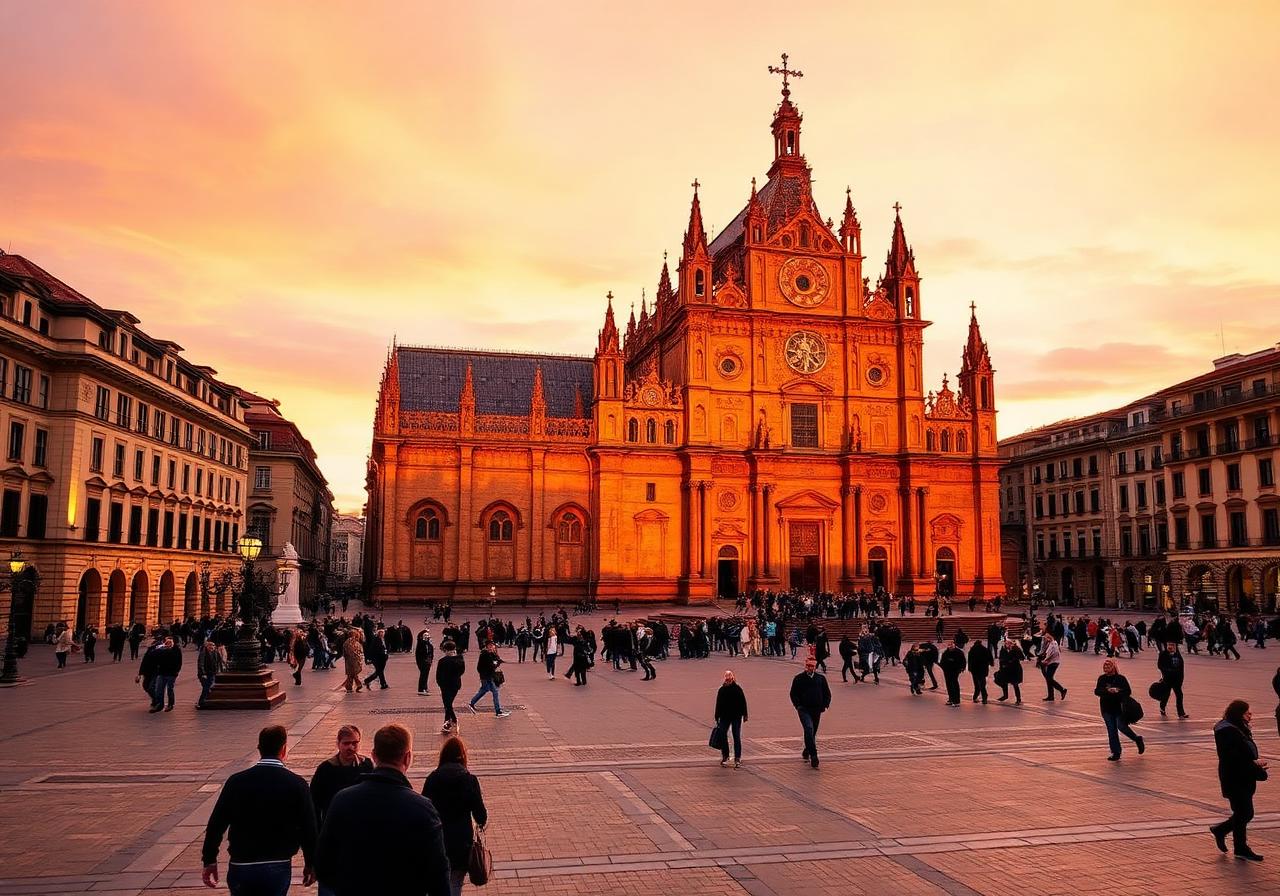
Pontevedra
Spain's most pedestrian-friendly historic centre — a delight after a day's walking.
A Coruña, Galicia
Padrón
Where, by tradition, Saint James's body came ashore — and where his peppers grow.
Galicia
Santiago de Compostela
The journey's end — and for many pilgrims, a new beginning.
Lugo, Galicia
Sarria
Where the busiest 100-km final push begins — and a charming medieval upper town.
Suggested stages
Camino Francés · Stage 29
Sarria → Portomarín
22 km · 270 m · Moderate
Camino Francés · Stage 30
Portomarín → Palas de Rei
25 km · 380 m · Moderate
Camino Francés · Stage 31
Palas de Rei → Arzúa
29 km · 300 m · Moderate
Camino Portugués · Stage 1
Porto → Vilarinho
27 km · 320 m · Moderate
Camino Portugués · Stage 2
Vilarinho → Barcelos
30 km · 250 m · Moderate
Camino Portugués · Stage 3
Barcelos → Ponte de Lima
33 km · 300 m · Challenging
Related routes
Related posts
Culture
Camino Portugués history
Discover the history of the Camino Portugués, one of the most important routes to Santiago de Compostela, from medieval Portuguese pilgrims to the modern Portuguese Way.
Culture
Camino Portugués hidden gems
The towns and detours most pilgrims walk past — and shouldn't. Five quiet stops that make the Portugués richer.
Practical
how long does the Camino take
Realistic timelines for every major Camino route, with daily distance averages and tips for fitting it into a working life.
More posts like this
Articles that share keywords, routes, or towns with this one.
Culture
The History of the Camino Portugués
- 1 shared route
- 7 shared towns
Culture
Hidden Gems Along the Camino Portugués
- 1 shared route
- 5 shared towns
Practical
How Long Does It Take to Walk the Camino? (Route Breakdown)
- 2 shared routes
- 2 shared towns
Food
What to Eat on the Camino de Santiago (Regional Food Guide)
- 2 shared routes
- 2 shared towns
Read next
Culture
The History of the Camino Portugués
Discover the history of the Camino Portugués, one of the most important routes to Santiago de Compostela, from medieval Portuguese pilgrims to the modern Portuguese Way.
12 min read
Culture
Hidden Gems Along the Camino Portugués
The towns and detours most pilgrims walk past — and shouldn't. Five quiet stops that make the Portugués richer.
8 min read
Practical
How Long Does It Take to Walk the Camino? (Route Breakdown)
Realistic timelines for every major Camino route, with daily distance averages and tips for fitting it into a working life.
7 min read
Food
What to Eat on the Camino de Santiago (Regional Food Guide)
From Basque pintxos to Galician pulpo, the Camino is a tour of Spain's regional cooking. Here's what to order in each region you walk through.
12 min read
Culture
Who Was Saint James and Why Is He Connected to Santiago?
Learn who Saint James was, why he is connected to Santiago de Compostela, and how his legend became the foundation of the Camino de Santiago pilgrimage.
12 min read
Culture
Why Is Santiago de Compostela Important?
Discover why Santiago de Compostela is important, from the legend of Saint James and its medieval pilgrimage history to its role as the final destination of the Camino de Santiago.
11 min read