
Culture
The Discovery of Saint James' Tomb
Learn the story behind the discovery of Saint James' tomb in Santiago de Compostela and how this legend became the foundation of the Camino de Santiago pilgrimage.
April 29, 2026 · 12 min read
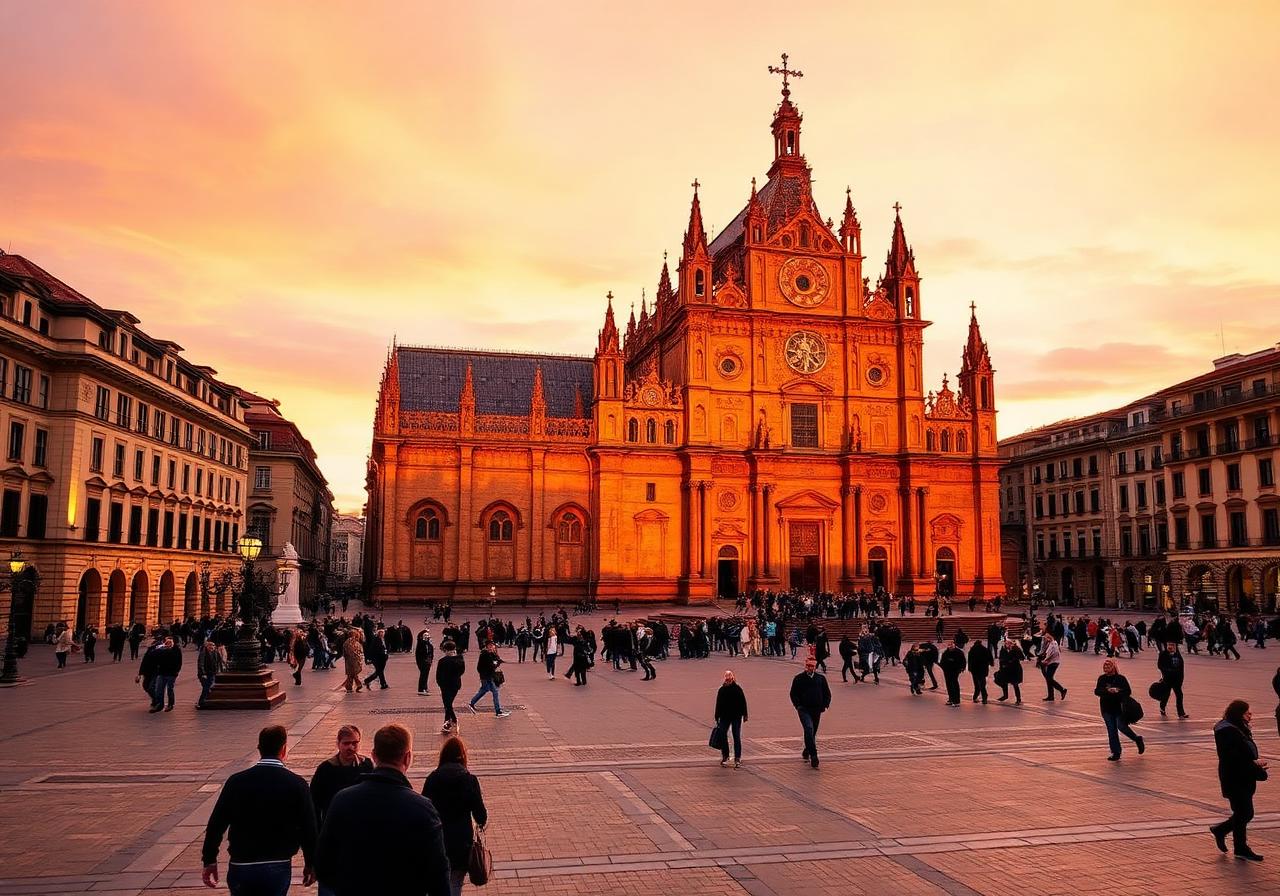
The story of the Camino de Santiago begins with a tomb. According to Christian tradition, the remains of Saint James the Apostle were discovered in Galicia, northwestern Spain, in the 9th century. That discovery transformed a quiet, remote place into Santiago de Compostela, one of the most important pilgrimage destinations in Europe.
For more than a thousand years, pilgrims have walked toward the tomb of Saint James. Some come with deep religious faith. Others come with curiosity, grief, gratitude, or the desire for transformation. But whether a pilgrim walks for spiritual reasons or personal ones, the Camino's origin is tied to the story of the tomb.
The discovery of Saint James' tomb sits between history, legend, faith, and mystery. It is one of the most important stories behind the Camino de Santiago.
Who was Saint James? Saint James, also known as James the Greater, was one of the twelve apostles of Jesus. He was the brother of John and the son of Zebedee. According to Christian tradition, James preached the Gospel after the death and resurrection of Jesus. Some traditions say he traveled as far as the Iberian Peninsula, modern-day Spain and Portugal, before returning to Jerusalem. In the New Testament, Saint James is said to have been executed by King Herod Agrippa I around 44 AD. He is often considered the first of the apostles to be martyred. But if James died in Jerusalem, how did his tomb become associated with Galicia? That question is at the center of the Camino's origin story.
The legend of the body's journey to Galicia. According to medieval tradition, after Saint James was executed in Jerusalem, his disciples took his body and placed it in a stone boat. Guided by divine power, the boat crossed the sea and arrived on the coast of Galicia. From there, the body was taken inland and buried in a secret place. This story cannot be proven historically in a modern sense, but it became one of the foundational legends of medieval Christianity in Spain. The idea that the remains of an apostle rested in Galicia gave the region immense religious importance. For medieval believers, relics were powerful. The tombs of saints were places of prayer, healing, penance, and pilgrimage. If Saint James' remains were truly in Galicia, then the place of his burial was sacred.
A forgotten tomb. According to tradition, after the burial of Saint James, the location of the tomb was forgotten for centuries. This idea of a sacred place being lost and later rediscovered is common in medieval religious storytelling. It adds mystery and divine purpose to the discovery. The tomb was not just found randomly — in the traditional story, it was revealed. This matters because the discovery was understood by believers as a sign from God, not simply an archaeological event.
The vision of Pelayo. The story of the tomb's rediscovery usually begins with a hermit named Pelayo. In the early 9th century, Pelayo is said to have seen mysterious lights or stars shining over a field in Galicia. Some versions describe music, angels, or other supernatural signs. The lights appeared repeatedly, drawing attention to a specific place. Pelayo reported the vision to Theodomir, the bishop of Iria Flavia. The bishop investigated the site and discovered an ancient tomb. Inside were remains believed to belong to Saint James and his disciples. This discovery became the spiritual foundation of Santiago de Compostela.
The meaning of Compostela. The name Compostela is often popularly linked to the Latin phrase campus stellae, meaning 'field of stars.' This connection comes from the story of the lights or stars that led to the discovery of the tomb. However, the exact origin of the name Compostela is debated by scholars. Some suggest other linguistic roots, including references to burial grounds or local place names. Even if the 'field of stars' explanation is not certain historically, it remains one of the most beautiful and enduring images associated with Santiago. The idea of a field lit by stars fits perfectly with the mystery and symbolism of the Camino.
Bishop Theodomir and the confirmation of the tomb. After Pelayo's vision, Bishop Theodomir played a key role in recognizing the importance of the discovery. As the local religious authority, he investigated the site and identified the remains as those of Saint James. His confirmation gave the discovery legitimacy within the Church. This was crucial. Without recognition from religious leaders, the site may not have developed into a major pilgrimage destination. The bishop's role helped turn a local discovery into a wider religious event.
King Alfonso II and the first pilgrimage. News of the discovery reached King Alfonso II of Asturias. According to tradition, he traveled to the site to honor the remains of Saint James. This journey is often associated with the Camino Primitivo, known as the Original Way. The route from Oviedo to Santiago is considered one of the earliest pilgrimage paths to the tomb. Alfonso II also supported the building of a church at the site. His involvement was important not only religiously but politically. Royal support helped establish Santiago as a significant Christian center in the north of the Iberian Peninsula.
The first church over the tomb. After the discovery, a small church was built over the tomb. This early shrine became the starting point for what would eventually become the Cathedral of Santiago de Compostela. As more pilgrims came, the site grew. Churches were expanded, buildings were added, and the settlement around the tomb developed. Over time, Santiago became not just a holy site but a city shaped by pilgrimage. The great cathedral that stands today is the result of centuries of devotion, architecture, wealth, and effort — all rooted in the discovery of the tomb.
Why the discovery was so important. The discovery of Saint James' tomb was important because it gave western Europe a major apostolic pilgrimage destination. In medieval Christianity, the remains of apostles were especially significant. Rome had Saint Peter and Saint Paul. Santiago claimed Saint James. This placed Santiago among the great spiritual destinations of medieval Europe. For pilgrims, walking to the tomb was an act of devotion. It could express repentance, gratitude, faith, or hope. For rulers and Church leaders, the tomb also strengthened the religious identity of Christian Spain. The discovery gave Santiago meaning, power, and purpose.
The tomb and the growth of the Camino. Once Santiago became known as the resting place of Saint James, pilgrims began arriving from across Europe. Paths developed through France, Spain, Portugal, and beyond. These routes became the Camino de Santiago. The growing number of pilgrims led to the construction of churches, monasteries, bridges, hospitals, and hostels. Towns grew around the needs of travelers. Entire regions were shaped by the movement of pilgrims toward the tomb. The discovery of the tomb did not only create a destination — it created a network of roads, communities, and traditions.
Faith, legend, and historical debate. The discovery of Saint James' tomb is difficult to separate from legend. Modern historians do not all agree on the historical accuracy of the traditional story. There is no conclusive evidence proving that the remains in Santiago are those of Saint James. The story of the body traveling by boat from Jerusalem to Galicia is also a matter of faith and tradition rather than historical certainty. But the Camino has always existed in the space between fact and meaning. For pilgrims, the importance of the tomb does not depend only on proof. It depends on what the place has meant to millions of people over more than a thousand years. The tomb became sacred because people believed, walked, prayed, suffered, arrived, and carried the story forward.
The rediscovery of relics in later centuries. The relics associated with Saint James were reportedly hidden at times due to fears of raids or conflict. Over the centuries, there were moments when the exact location or certainty of the remains became complicated. In the 19th century, relics believed to be those of Saint James were rediscovered beneath the cathedral and later authenticated by Church authorities. This renewed attention helped support the modern revival of devotion to Santiago. Again, the story combines religion, history, archaeology, and tradition. Santiago's identity has always been shaped by the ongoing importance of the tomb.
Visiting the tomb today. Today, pilgrims and visitors can enter the Cathedral of Santiago de Compostela and visit the area associated with the tomb of Saint James. For many, this is the emotional and spiritual center of the Camino. After walking for days or weeks, descending into the cathedral to stand near the tomb can feel deeply moving. Some pilgrims pray. Some remain silent. Some simply take in the weight of the moment. Whether approached as a believer, a historian, or a traveler, the tomb remains the symbolic heart of Santiago.
Why the tomb still matters. The tomb matters because it gives the Camino its destination. Without the tomb, there would be no Santiago pilgrimage as we know it. The routes, the yellow arrows, the scallop shells, the pilgrim passports, the cathedral square, and the traditions of arrival all trace back to the belief that Saint James rests in Compostela. Even for modern pilgrims who are not religious, the tomb represents centuries of human longing. People have walked there through war, illness, poverty, uncertainty, and hope. That continuity gives the Camino its depth. You are not just walking a trail — you are walking into a story that has been unfolding for over a thousand years.
Final thoughts. The discovery of Saint James' tomb is the origin story of the Camino de Santiago. According to tradition, a hermit saw mysterious lights over a field, a bishop discovered an ancient tomb, and a king made the journey to honor the apostle. From that moment, Santiago de Compostela grew into one of Europe's greatest pilgrimage destinations. Historians may debate the details, but the power of the story is undeniable. The tomb gave pilgrims a place to walk toward. The Camino gave them a way to get there. Together, they created one of the most enduring journeys in the world. Buen Camino.
Keep exploring
Next stops & related posts
Towns, stages, and stories connected to this article — your jumping-off points to plan the next stretch of the Camino.
Pilgrim guides
- Roncesvalles monastery & albergue
- Samos monastery lodging
- Foncebadón mountain albergues
- O Cebreiro pilgrim shelters
- All lodging articles
- Camino Primitivo (mountain terrain)
- Camino del Norte (coastal weather)
- Foncebadón (high pass)
- O Cebreiro (Galician mountains)
- Santiago de Compostela cathedral
- León cathedral city
- Burgos cathedral city
- Samos monastery
- Roncesvalles monastery
- O Cebreiro pre-Romanesque church
- All history articles
Towns to visit
Suggested stages
Camino Francés · Stage 33
O Pedrouzo → Santiago de Compostela
20 km · 240 m · Moderate
Camino Portugués · Stage 11
Padrón → Santiago de Compostela
25 km · 280 m · Moderate
Camino del Norte · Stage 1
Irún → San Sebastián
24 km · 700 m · Challenging
Camino del Norte · Stage 2
San Sebastián → Zarautz
22 km · 580 m · Challenging
Camino del Norte · Stage 3
Zarautz → Deba
22 km · 750 m · Challenging
Camino Primitivo · Stage 14
O Pedrouzo → Santiago de Compostela
20 km · 280 m · Moderate
Related routes
More on Saint James & Santiago
How a hermit's vision in 9th-century Galicia turned into one of medieval Europe's greatest pilgrimages.
Culture
Who Was Saint James and Why Is He Connected to Santiago?
Learn who Saint James was, why he is connected to Santiago de Compostela, and how his legend became the foundation of the Camino de Santiago pilgrimage.
Culture
Why Is Santiago de Compostela Important?
Discover why Santiago de Compostela is important, from the legend of Saint James and its medieval pilgrimage history to its role as the final destination of the Camino de Santiago.
Culture
The Complete History of the Camino de Santiago
From the legend of Saint James and medieval pilgrimage routes to the modern revival — a thousand-year story behind the Way of Saint James.
Culture
The Medieval Pilgrim Experience on the Camino de Santiago
Discover what life was like for medieval pilgrims walking the Camino de Santiago, from dangerous roads and simple shelters to faith, hardship, and hospitality.
Culture
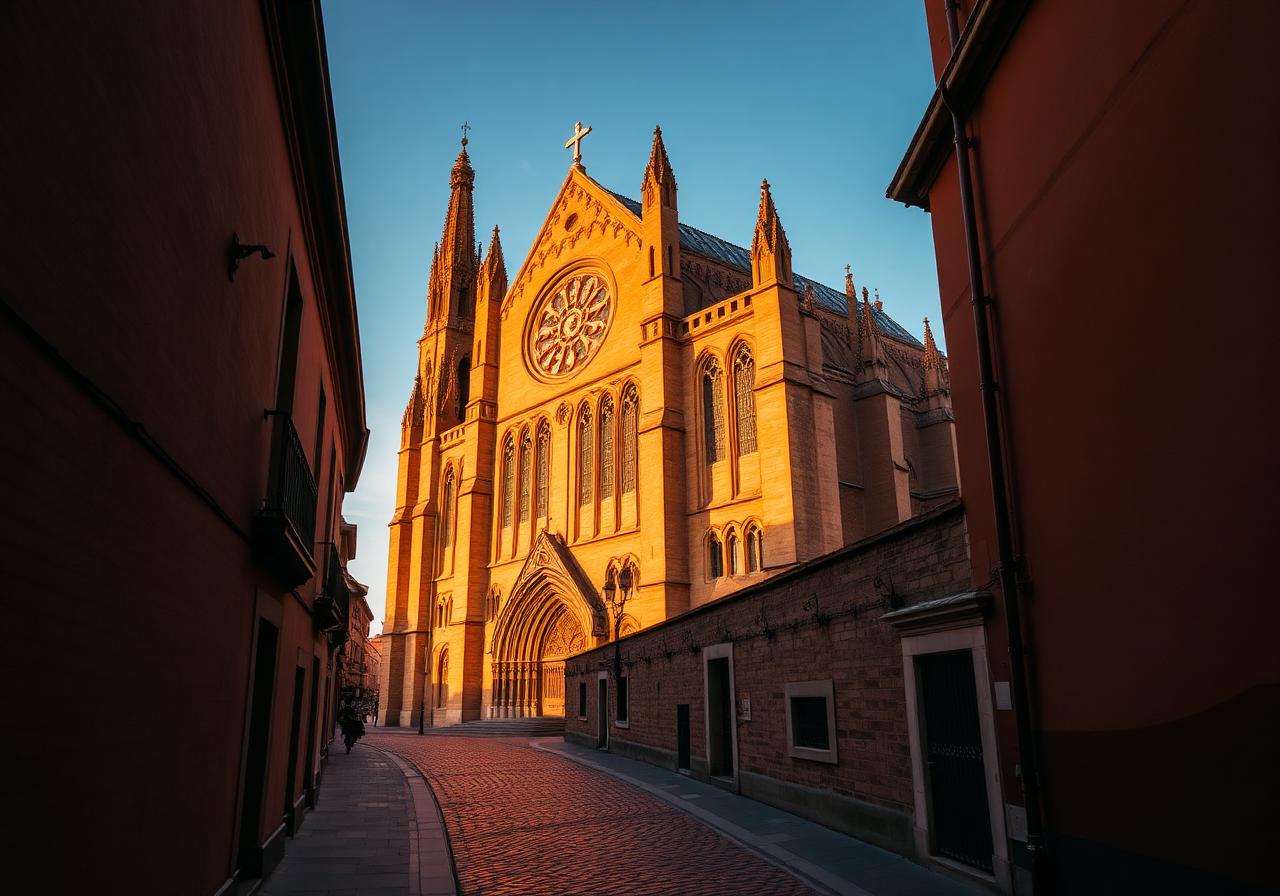
The Role of Monasteries and Churches Along the Camino de Santiago
Explore the role of monasteries and churches along the Camino de Santiago and how they supported pilgrims through shelter, prayer, hospitality, and history.
Culture
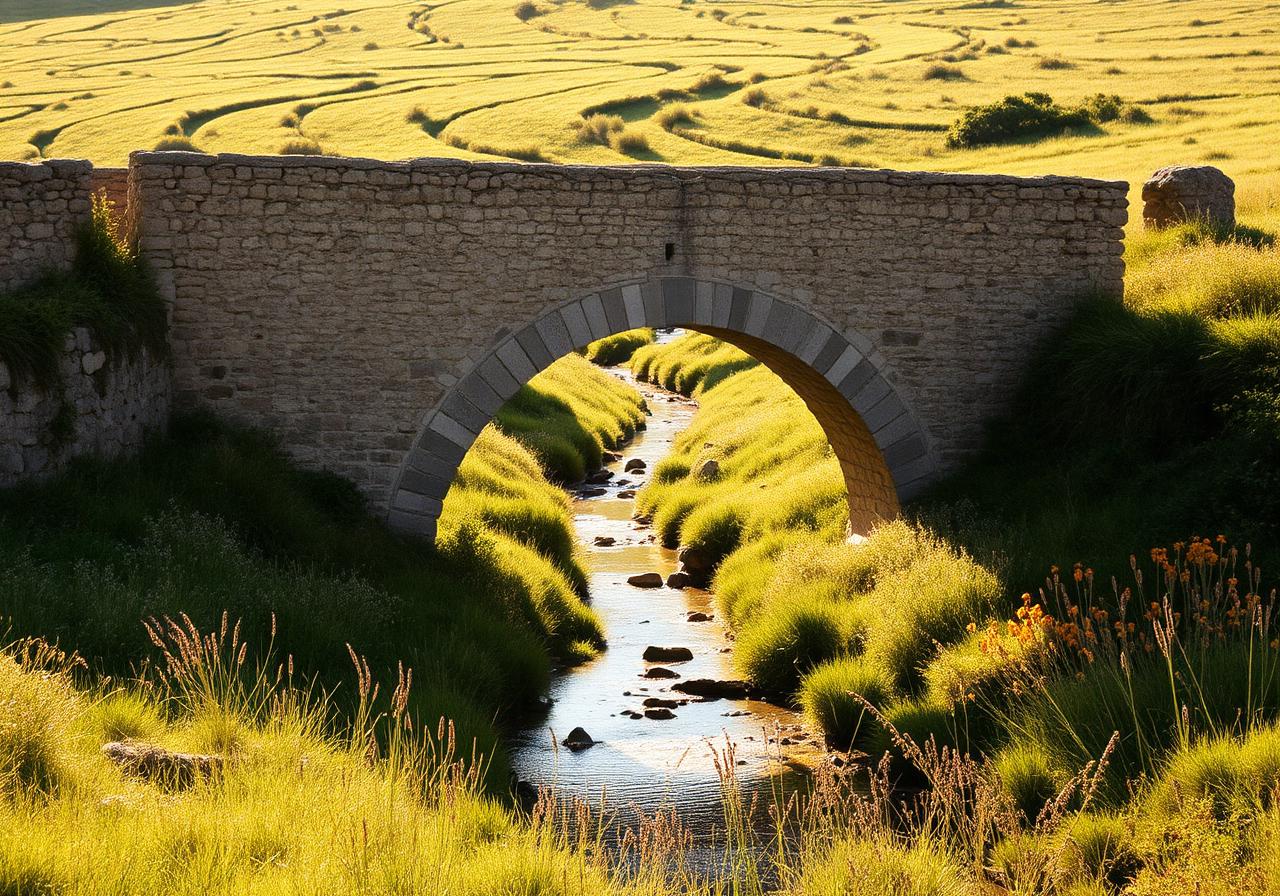
The History of the Camino Francés
Discover the history of the Camino Francés, the most famous route of the Camino de Santiago, from its medieval origins to its modern revival.
Related posts
Culture
who was Saint James
Learn who Saint James was, why he is connected to Santiago de Compostela, and how his legend became the foundation of the Camino de Santiago pilgrimage.
Practical
how long does the Camino take
Realistic timelines for every major Camino route, with daily distance averages and tips for fitting it into a working life.
Food
Camino de Santiago food
From Basque pintxos to Galician pulpo, the Camino is a tour of Spain's regional cooking. Here's what to order in each region you walk through.
More posts like this
Articles that share keywords, routes, or towns with this one.
Culture
Who Was Saint James and Why Is He Connected to Santiago?
- tomb of Saint James
- 3 shared routes
Culture
Why Is Santiago de Compostela Important?
- tomb of Saint James
- 3 shared routes
Culture
How the Camino de Santiago Became One of Europe's Great Pilgrimages
- tomb of Saint James
- 3 shared routes
Culture
The Medieval Pilgrim Experience on the Camino de Santiago
- tomb of Saint James
- 3 shared routes
Read next
Culture
Who Was Saint James and Why Is He Connected to Santiago?
Learn who Saint James was, why he is connected to Santiago de Compostela, and how his legend became the foundation of the Camino de Santiago pilgrimage.
12 min read
Culture
Why Is Santiago de Compostela Important?
Discover why Santiago de Compostela is important, from the legend of Saint James and its medieval pilgrimage history to its role as the final destination of the Camino de Santiago.
11 min read
Culture
How the Camino de Santiago Became One of Europe's Great Pilgrimages
Discover how the Camino de Santiago grew from a local shrine in Galicia into one of medieval Europe's greatest pilgrimage routes.
14 min read
Culture
The Medieval Pilgrim Experience on the Camino de Santiago
Discover what life was like for medieval pilgrims walking the Camino de Santiago, from dangerous roads and simple shelters to faith, hardship, and hospitality.
13 min read
Culture
The Role of Monasteries and Churches Along the Camino de Santiago
Explore the role of monasteries and churches along the Camino de Santiago and how they supported pilgrims through shelter, prayer, hospitality, and history.
12 min read
Culture
Why Do Pilgrims Carry a Scallop Shell on the Camino de Santiago?
Discover the meaning of the Camino scallop shell, why pilgrims carry it, and how it became one of the most powerful symbols of the Camino de Santiago.
10 min read