
Culture
Why Is Santiago de Compostela Important?
Discover why Santiago de Compostela is important, from the legend of Saint James and its medieval pilgrimage history to its role as the final destination of the Camino de Santiago.
April 29, 2026 · 11 min read
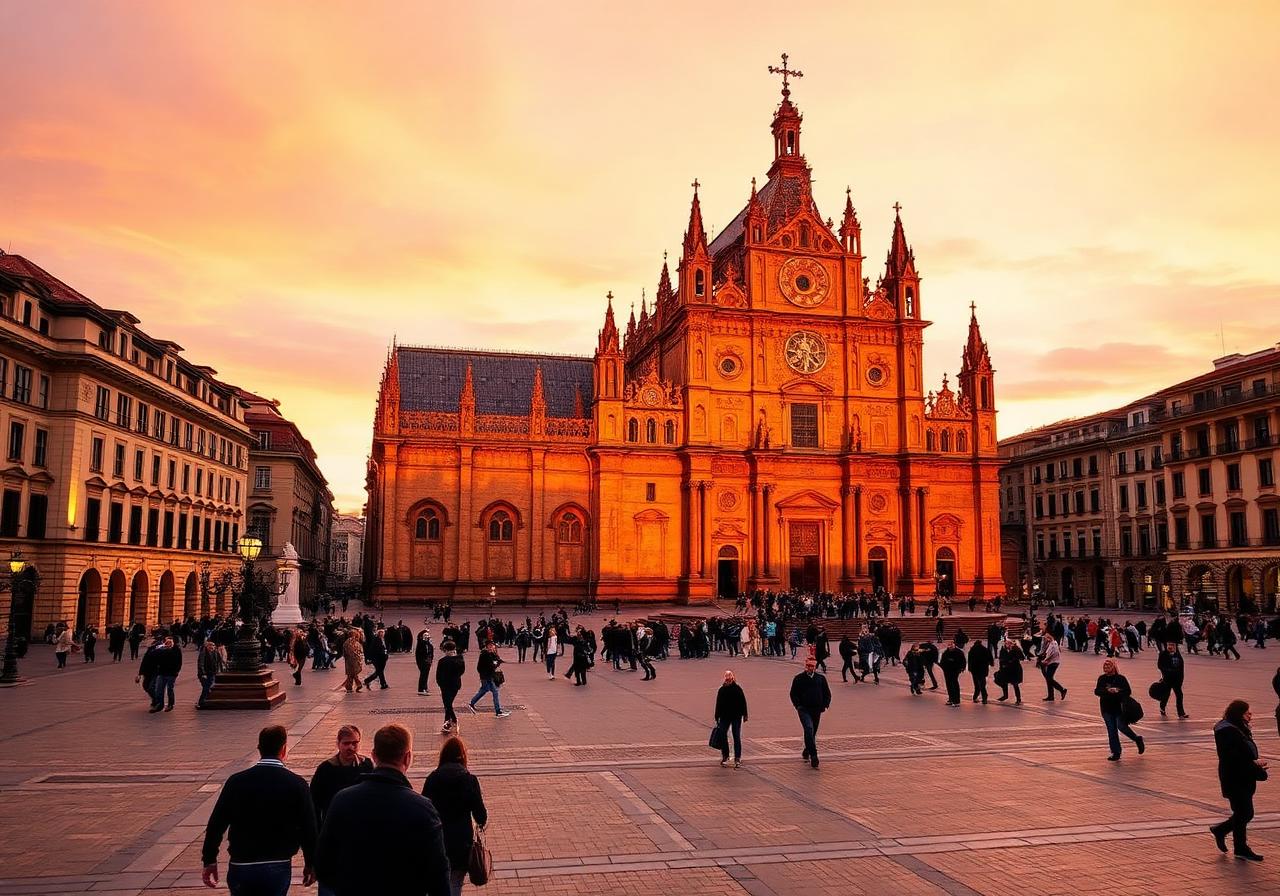
Santiago de Compostela is one of the most important pilgrimage cities in the world. For more than a thousand years, pilgrims have traveled across Europe to reach this city in Galicia, northwestern Spain, at the end of the Camino de Santiago.
For some, Santiago is a sacred destination. For others, it is the emotional finish line after weeks of walking through mountains, plains, villages, forests, and old stone towns. Many pilgrims arrive tired, changed, and overwhelmed by the simple fact that they made it.
But why is Santiago de Compostela important? The answer lies in a powerful mix of religious tradition, medieval history, architecture, culture, and human experience. Santiago is important because of the legend of Saint James, the cathedral built over his supposed tomb, the rise of the Camino, and the role the city still plays in the lives of modern pilgrims.
Santiago de Compostela is the destination of the Camino. The most obvious reason Santiago is important is that it is the destination of the Camino de Santiago. All major Camino routes lead, in one way or another, toward Santiago. Whether you walk the Camino Francés, Camino Portugués, Camino del Norte, Camino Primitivo, Camino Inglés, or Via de la Plata, the final goal is the city's cathedral. Pilgrims spend days, weeks, or even months walking toward Santiago. They follow yellow arrows, collect stamps in their pilgrim passports, stay in albergues, and slowly make their way across the landscape. By the time they arrive, Santiago is no longer just a city on a map. It becomes the symbol of completion.
The city is connected to Saint James. Santiago de Compostela is important because Christian tradition says it is the burial place of Saint James the Apostle, one of the twelve apostles of Jesus. In Spanish, Saint James is known as Santiago. The city's name itself reflects this connection. According to tradition, Saint James preached in the Iberian Peninsula before returning to Jerusalem, where he was martyred in the 1st century. After his death, his disciples are said to have brought his body to Galicia, where it was eventually buried. Centuries later, the tomb was rediscovered, and the site became one of the most important pilgrimage destinations in medieval Christianity.
The discovery of the tomb changed the city's future. The story of Santiago's importance begins in the 9th century. According to tradition, a hermit named Pelayo saw mysterious lights or stars shining over a field. This led to the discovery of remains believed to be those of Saint James. The local bishop confirmed the importance of the site, and King Alfonso II of Asturias is said to have traveled there after hearing the news. This journey is often associated with the Camino Primitivo, one of the earliest known routes to Santiago. A church was built over the tomb. Over time, that church developed into the great Cathedral of Santiago de Compostela. Without the discovery of the tomb, Santiago may have remained a small and relatively unknown settlement. Instead, it became one of the spiritual centers of Europe.
Santiago became one of the great pilgrimage destinations of medieval Europe. During the Middle Ages, Santiago de Compostela was often ranked alongside Rome and Jerusalem. Jerusalem was connected to the life, death, and resurrection of Jesus. Rome was connected to Saints Peter and Paul. Santiago was connected to Saint James. Pilgrims traveled from across Europe to reach the city — from France, Italy, Germany, England, Ireland, Scandinavia, Portugal, and beyond. Their journeys helped shape the routes that became the Camino de Santiago. The importance of Santiago grew because it offered pilgrims a sacred destination that was difficult but possible to reach.
Santiago Cathedral is the spiritual heart of the Camino. The Cathedral of Santiago de Compostela is one of the most important landmarks in Spain and the spiritual center of the Camino. The cathedral was built over the site traditionally believed to be the tomb of Saint James. Its architecture reflects centuries of religious devotion, artistic achievement, and pilgrimage culture. For pilgrims, reaching the cathedral is often the most emotional moment of the journey. Some arrive and cry. Some sit quietly in the square. Some attend the Pilgrim's Mass. Others embrace friends they met along the way. The cathedral is not only a building. It is the place where the physical journey meets the emotional and spiritual meaning of the Camino.
The Pilgrim's Mass and the Botafumeiro. One of the most famous traditions in Santiago Cathedral is the Pilgrim's Mass, where pilgrims gather after completing their journey. During certain services, visitors may witness the Botafumeiro, a giant incense burner swung through the cathedral by a team of attendants. It is one of the most dramatic and memorable sights associated with Santiago. Historically, incense had both symbolic and practical purposes — it represented prayer rising to heaven, and it may also have helped mask the smell of medieval pilgrims who arrived after long, difficult journeys. Today, the Botafumeiro remains one of the most iconic symbols of Santiago Cathedral.
Santiago helped shape northern Spain. The rise of Santiago as a pilgrimage destination changed the geography, economy, and culture of northern Spain. As pilgrims traveled toward the city, towns developed along the routes. Churches, bridges, monasteries, hospitals, markets, and inns were built to serve them. Entire communities grew because of their location on the Camino. The Camino helped connect Spain with the rest of Europe. It brought people, ideas, languages, art, architecture, trade, and religious culture across borders. Santiago was the destination, but the importance of the city extended far beyond its walls.
The city is a UNESCO World Heritage Site. Santiago de Compostela is internationally recognized for its historical and cultural value. The old town of Santiago de Compostela is a UNESCO World Heritage Site, known for its medieval streets, religious architecture, plazas, monasteries, and cathedral. The Camino routes themselves have also received UNESCO recognition, showing how important the pilgrimage is not only to Spain but to world heritage. This recognition helps protect Santiago's history and ensures that future generations can experience the city's unique atmosphere.
Santiago is important beyond religion. Although Santiago de Compostela has deep Christian roots, its importance today goes beyond religion. Many modern pilgrims walk the Camino for reasons that are not strictly religious. Some walk after a major life change. Some walk to grieve, heal, reflect, reset, or challenge themselves. Others are drawn by history, culture, food, landscapes, or community. For these pilgrims, Santiago still matters. It represents arrival, transformation, and completion. Even if someone does not walk for religious reasons, reaching Santiago after days or weeks on foot can feel deeply meaningful. The city becomes a place where the journey is honored.
Santiago as a meeting place. One of the most powerful things about Santiago is that it brings people together. Pilgrims who walked different routes often arrive in the city at the same time. Friends who separated along the way reunite in the streets. Strangers recognize each other from albergues, cafés, or mountain passes. The plazas around the cathedral become places of laughter, tears, photos, hugs, and quiet reflection. Santiago is important because it is not just an endpoint — it is a gathering place for people who have shared the experience of walking The Way.
The emotional importance of arrival. Arriving in Santiago is difficult to explain until you experience it. For weeks, the city exists in your mind as an idea. You see it on maps. You hear people talk about it. You count the kilometers. You imagine the cathedral square. Then, one day, you walk into the city. The final steps can feel strange. The noise, crowds, and stone streets can be overwhelming after so much time on rural paths. But when the cathedral finally appears, many pilgrims feel the weight of the journey all at once. Santiago matters because it holds that moment. It becomes the place where the distance walked, the pain endured, the people met, and the inner changes all come together.
Santiago and the Compostela certificate. Many pilgrims who complete the Camino receive a certificate called the Compostela. To qualify, pilgrims usually need to walk at least the final 100 kilometers or cycle at least the final 200 kilometers to Santiago, while collecting stamps in a pilgrim passport. The Compostela is issued by the Pilgrim's Office in Santiago. For some, it is a religious document. For others, it is a personal reminder of the journey they completed. The certificate adds to the city's importance because it formally recognizes the pilgrim's arrival and effort.
Santiago is the beginning of another journey. For many pilgrims, Santiago is the end of the Camino. But for others, it becomes the beginning of another journey. Some continue walking to Finisterre or Muxía on the Atlantic coast. Finisterre was once thought of as the 'end of the world,' and many pilgrims see it as a powerful extension after reaching Santiago. Others return home and realize that the real work begins after the walk ends. Santiago is important because it marks both completion and transition. It closes one chapter and opens another.
Why Santiago still matters today. Santiago de Compostela still matters because the Camino still matters. In a fast, digital, distracted world, the idea of walking slowly toward a meaningful destination continues to attract people from every background. Santiago gives that journey a focal point. It is a city built around arrival. Around faith. Around history. Around human movement. Every year, new pilgrims add their stories to centuries of footsteps. That is what keeps Santiago alive.
Final thoughts. Santiago de Compostela is important because it is the heart of the Camino de Santiago. It is connected to Saint James, home to one of Europe's great cathedrals, and the destination of one of the world's most famous pilgrimage routes. Its history reaches back more than a thousand years, but its meaning continues to evolve with every pilgrim who arrives. For some, Santiago is sacred. For others, it is symbolic. For many, it is unforgettable. After all the walking, all the pain, all the conversations, all the doubts, and all the small moments along the way, Santiago is where the journey finally says: you made it. Buen Camino.
Keep exploring
Next stops & related posts
Towns, stages, and stories connected to this article — your jumping-off points to plan the next stretch of the Camino.
Pilgrim guides
Towns to visit
Suggested stages
Camino Francés · Stage 33
O Pedrouzo → Santiago de Compostela
20 km · 240 m · Moderate
Camino Portugués · Stage 11
Padrón → Santiago de Compostela
25 km · 280 m · Moderate
Camino del Norte · Stage 1
Irún → San Sebastián
24 km · 700 m · Challenging
Camino del Norte · Stage 2
San Sebastián → Zarautz
22 km · 580 m · Challenging
Camino del Norte · Stage 3
Zarautz → Deba
22 km · 750 m · Challenging
Camino Primitivo · Stage 14
O Pedrouzo → Santiago de Compostela
20 km · 280 m · Moderate
Related routes
More on Saint James & Santiago
Why pilgrims have walked toward Santiago for more than a thousand years — and what waits for them when they arrive.
Culture
Who Was Saint James and Why Is He Connected to Santiago?
Learn who Saint James was, why he is connected to Santiago de Compostela, and how his legend became the foundation of the Camino de Santiago pilgrimage.
Culture
The Discovery of Saint James' Tomb
Learn the story behind the discovery of Saint James' tomb in Santiago de Compostela and how this legend became the foundation of the Camino de Santiago pilgrimage.
Culture
The Complete History of the Camino de Santiago
From the legend of Saint James and medieval pilgrimage routes to the modern revival — a thousand-year story behind the Way of Saint James.
Culture
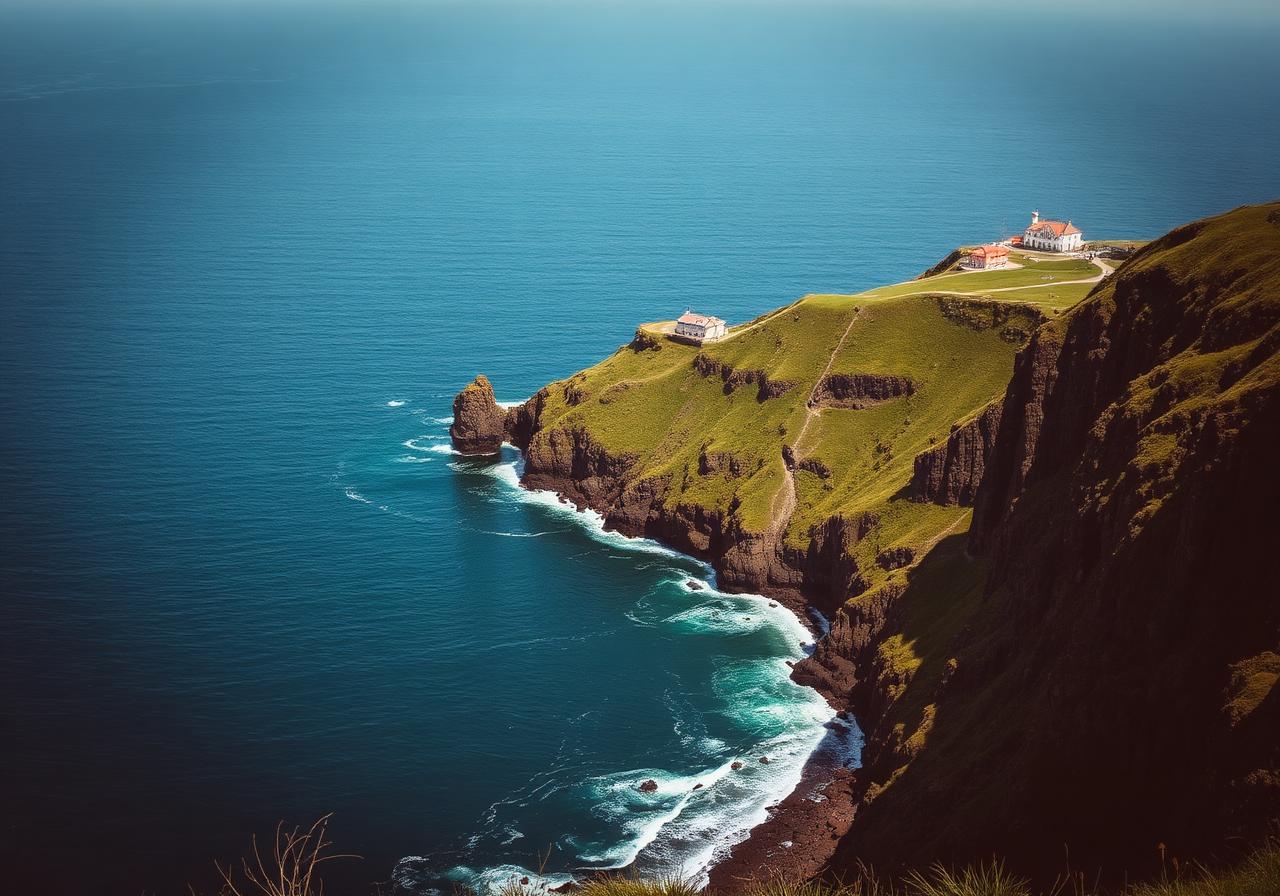
Why Did Pilgrims Walk to Finisterre?
Discover why pilgrims walked from Santiago to Finisterre, the "end of the world," and how this Atlantic extension became one of the most meaningful parts of the Camino.
Culture
Why Do Pilgrims Carry a Scallop Shell on the Camino de Santiago?
Discover the meaning of the Camino scallop shell, why pilgrims carry it, and how it became one of the most powerful symbols of the Camino de Santiago.
Spirituality
The Best Day of My Life: Reaching Finisterre
Most pilgrims stop in Santiago. The ones who walk three more days to the Atlantic say it was the real ending. Here's why.
Related posts
Culture
tomb of Saint James
Learn the story behind the discovery of Saint James' tomb in Santiago de Compostela and how this legend became the foundation of the Camino de Santiago pilgrimage.
Practical
how long does the Camino take
Realistic timelines for every major Camino route, with daily distance averages and tips for fitting it into a working life.
Food
Camino de Santiago food
From Basque pintxos to Galician pulpo, the Camino is a tour of Spain's regional cooking. Here's what to order in each region you walk through.
More posts like this
Articles that share keywords, routes, or towns with this one.
Culture
The Discovery of Saint James' Tomb
- tomb of Saint James
- 3 shared routes
Culture
Who Was Saint James and Why Is He Connected to Santiago?
- 3 shared routes
- 1 shared town
Culture
How the Camino de Santiago Became One of Europe's Great Pilgrimages
- 3 shared routes
- 1 shared town
Culture
The Medieval Pilgrim Experience on the Camino de Santiago
- 3 shared routes
- 1 shared town
Read next
Culture
Who Was Saint James and Why Is He Connected to Santiago?
Learn who Saint James was, why he is connected to Santiago de Compostela, and how his legend became the foundation of the Camino de Santiago pilgrimage.
12 min read
Culture
The Discovery of Saint James' Tomb
Learn the story behind the discovery of Saint James' tomb in Santiago de Compostela and how this legend became the foundation of the Camino de Santiago pilgrimage.
12 min read
Culture
How the Camino de Santiago Became One of Europe's Great Pilgrimages
Discover how the Camino de Santiago grew from a local shrine in Galicia into one of medieval Europe's greatest pilgrimage routes.
14 min read
Culture
The Medieval Pilgrim Experience on the Camino de Santiago
Discover what life was like for medieval pilgrims walking the Camino de Santiago, from dangerous roads and simple shelters to faith, hardship, and hospitality.
13 min read
Culture
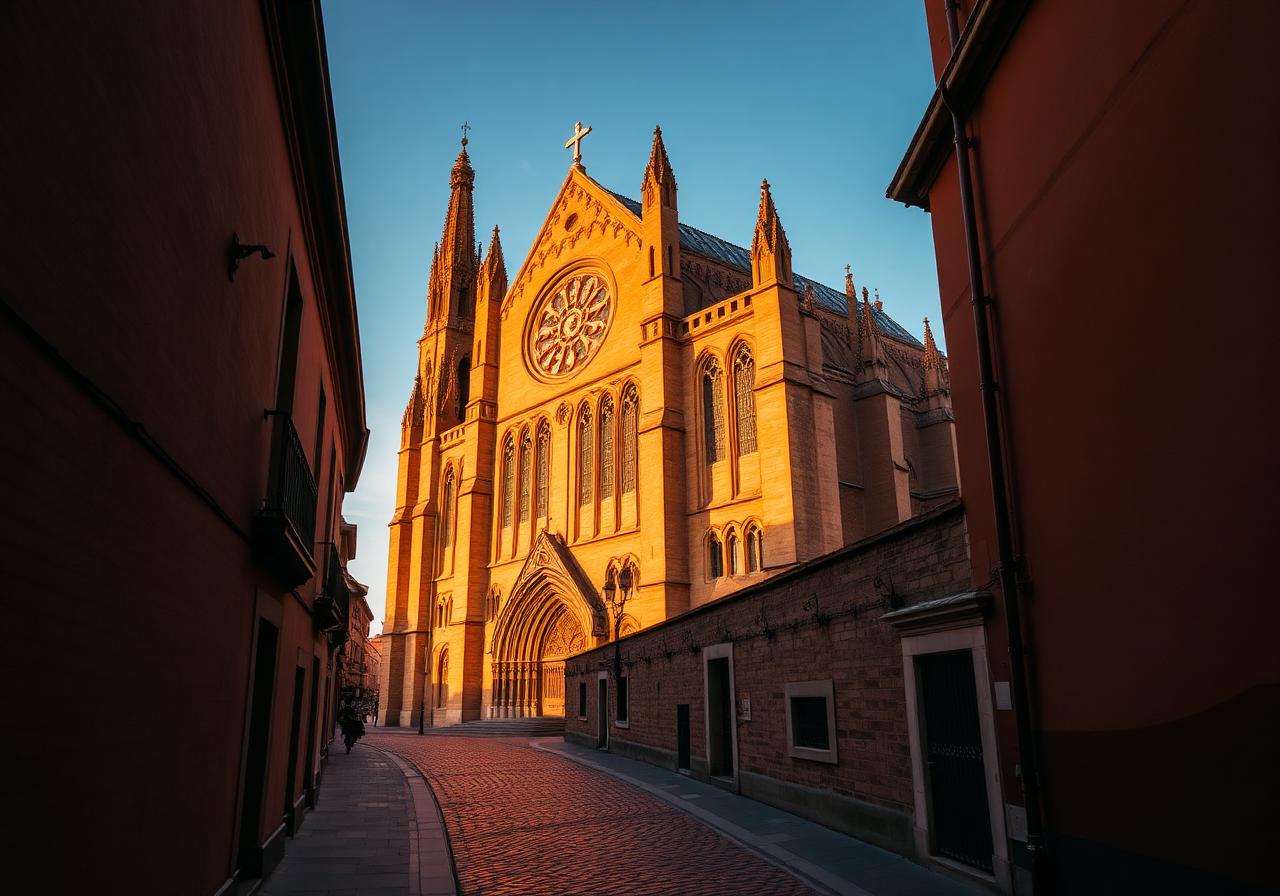
The Role of Monasteries and Churches Along the Camino de Santiago
Explore the role of monasteries and churches along the Camino de Santiago and how they supported pilgrims through shelter, prayer, hospitality, and history.
12 min read
Culture
Why Do Pilgrims Carry a Scallop Shell on the Camino de Santiago?
Discover the meaning of the Camino scallop shell, why pilgrims carry it, and how it became one of the most powerful symbols of the Camino de Santiago.
10 min read