
Spirituality
The Best Day of My Life: Reaching Finisterre
Most pilgrims stop in Santiago. The ones who walk three more days to the Atlantic say it was the real ending. Here's why.
November 1, 2025 · 7 min read
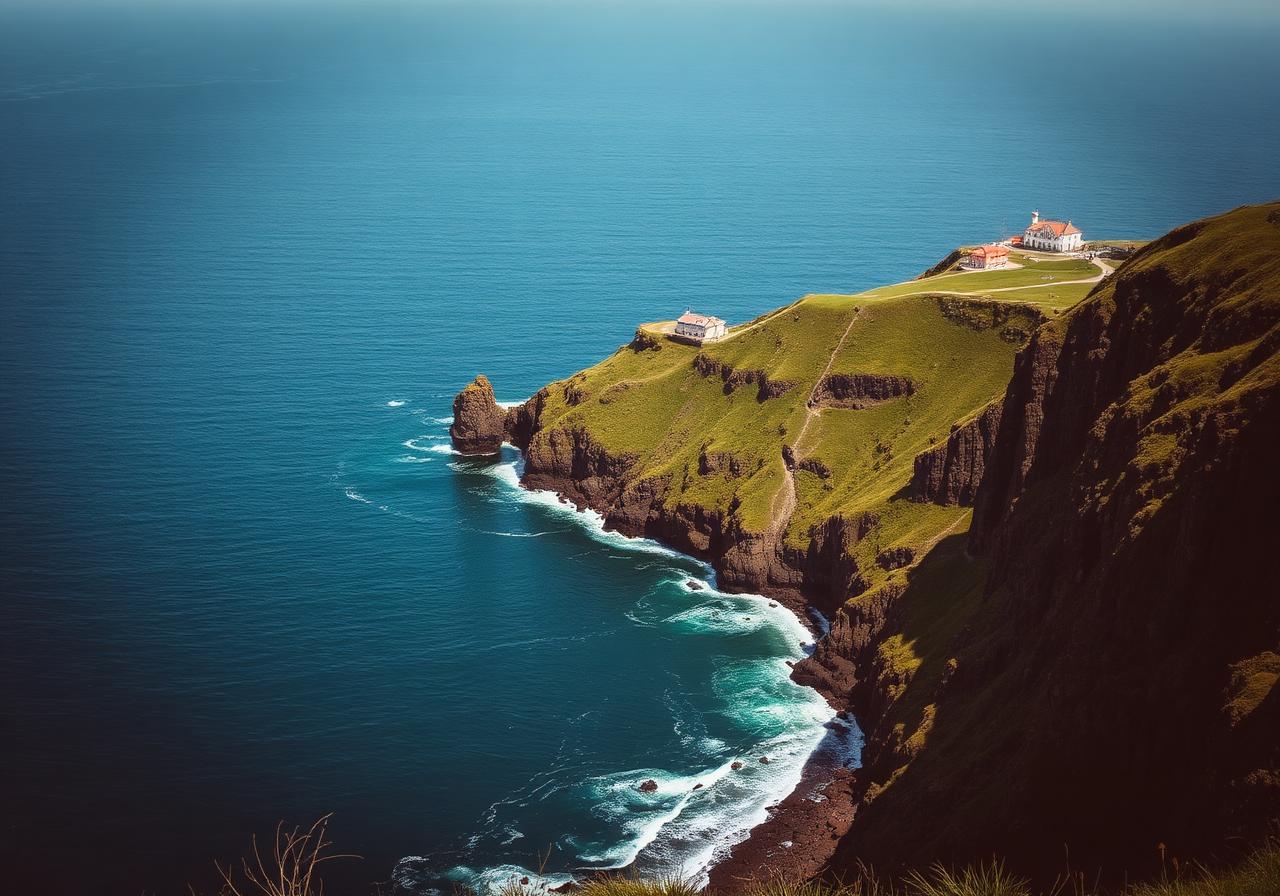
Santiago is the official end of the Camino. But for centuries pilgrims kept walking — three more days, 90 kilometres west — to the Atlantic at Finisterre. The 'end of the earth' as the Romans called it.
I arrived at the lighthouse at sunset on day 35, two hours after walking out of the village. The sea was on fire.
The tradition is to burn something — an old shirt, the boots that carried you. I burned a letter.
Other pilgrims arrived in twos and threes. Nobody spoke. We sat on the rocks and watched the sun go down for an hour.
Santiago felt like an ending. Finisterre felt like a release.
If you have three extra days when you arrive in Santiago: walk to Finisterre. Or take the bus and walk back. Or don't go at all and trust that Santiago was enough.
But if you do go: arrive at the lighthouse at sunset. Bring something to let go of. The sea will know what to do.
Keep exploring
Next stops & related posts
Towns, stages, and stories connected to this article — your jumping-off points to plan the next stretch of the Camino.
Towns to visit
Suggested stages
Camino Francés · Stage 33
O Pedrouzo → Santiago de Compostela
20 km · 240 m · Moderate
Camino Portugués · Stage 11
Padrón → Santiago de Compostela
25 km · 280 m · Moderate
Camino del Norte · Stage 1
Irún → San Sebastián
24 km · 700 m · Challenging
Camino del Norte · Stage 2
San Sebastián → Zarautz
22 km · 580 m · Challenging
Camino del Norte · Stage 3
Zarautz → Deba
22 km · 750 m · Challenging
Related routes
More on the walk to the Atlantic
Why pilgrims keep walking past Santiago, and the medieval traditions that gave Finisterre and the scallop shell their meaning.
Culture
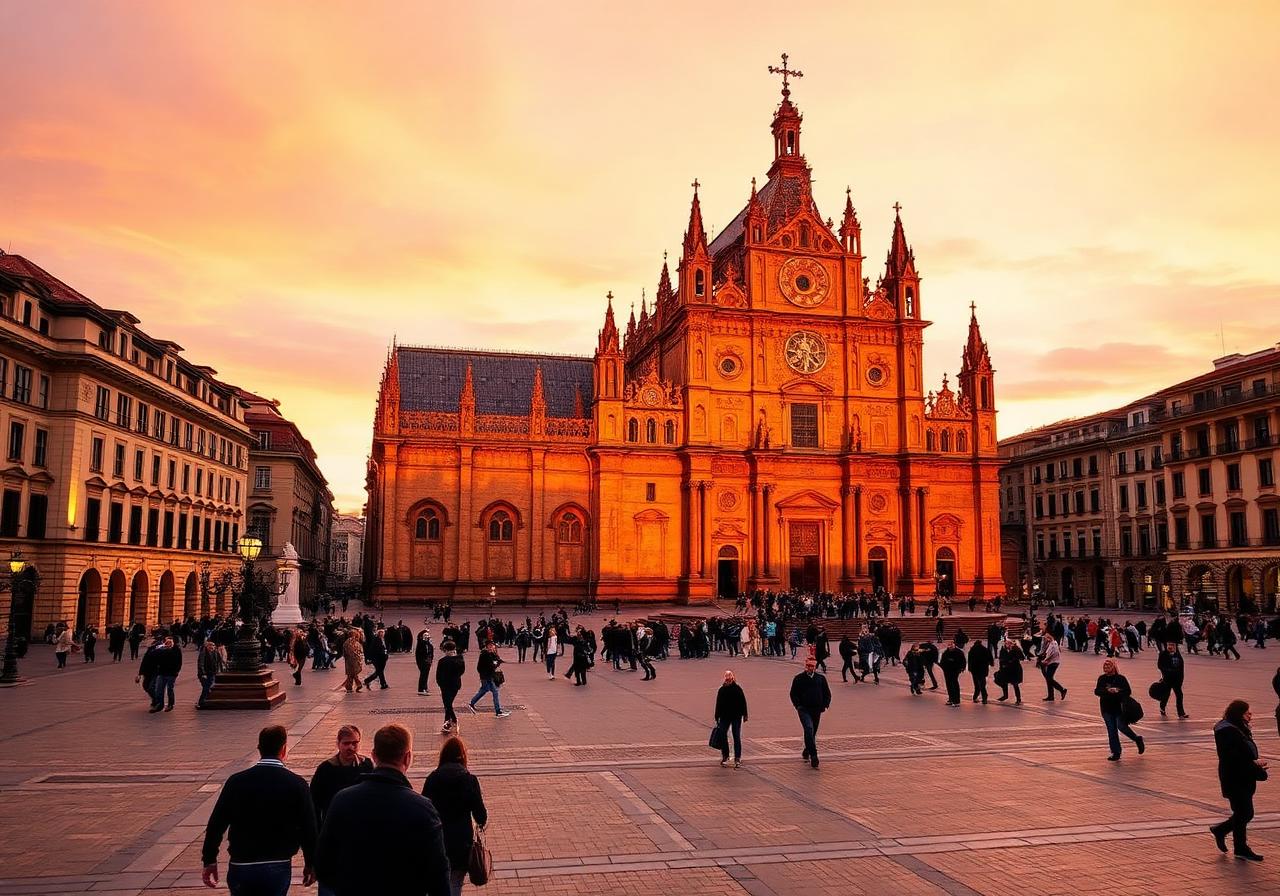
Why Did Pilgrims Walk to Finisterre?
Discover why pilgrims walked from Santiago to Finisterre, the "end of the world," and how this Atlantic extension became one of the most meaningful parts of the Camino.
Culture
Why Do Pilgrims Carry a Scallop Shell on the Camino de Santiago?
Discover the meaning of the Camino scallop shell, why pilgrims carry it, and how it became one of the most powerful symbols of the Camino de Santiago.
Culture
Why Is Santiago de Compostela Important?
Discover why Santiago de Compostela is important, from the legend of Saint James and its medieval pilgrimage history to its role as the final destination of the Camino de Santiago.
Culture
The Complete History of the Camino de Santiago
From the legend of Saint James and medieval pilgrimage routes to the modern revival — a thousand-year story behind the Way of Saint James.
Culture
The Medieval Pilgrim Experience on the Camino de Santiago
Discover what life was like for medieval pilgrims walking the Camino de Santiago, from dangerous roads and simple shelters to faith, hardship, and hospitality.
Spirituality
What the Camino Teaches You About Yourself
Walking 800 kilometres with everything you own on your back changes your relationship with time, possessions, and other people. Some honest reflections.
Related posts
Practical
how long does the Camino take
Realistic timelines for every major Camino route, with daily distance averages and tips for fitting it into a working life.
Food
Camino de Santiago food
From Basque pintxos to Galician pulpo, the Camino is a tour of Spain's regional cooking. Here's what to order in each region you walk through.
Food
where to eat in Santiago de Compostela
You've made it. Now eat. The best Galician seafood, octopus, and wine in Santiago — including the spots most pilgrims miss.
More posts like this
Articles that share keywords, routes, or towns with this one.
Spirituality
Is the Camino Worth It? My Honest Experience
- 3 shared routes
- 1 shared town
Culture
Who Was Saint James and Why Is He Connected to Santiago?
- 3 shared routes
- 1 shared town
Culture
Why Is Santiago de Compostela Important?
- 3 shared routes
- 1 shared town
Culture
The Discovery of Saint James' Tomb
- 3 shared routes
- 1 shared town
Read next
Spirituality
Is the Camino Worth It? My Honest Experience
After three Caminos and a lot of conversations on the trail, here's the honest answer: yes, but not for the reasons you'd expect.
9 min read
Culture
Who Was Saint James and Why Is He Connected to Santiago?
Learn who Saint James was, why he is connected to Santiago de Compostela, and how his legend became the foundation of the Camino de Santiago pilgrimage.
12 min read
Culture
Why Is Santiago de Compostela Important?
Discover why Santiago de Compostela is important, from the legend of Saint James and its medieval pilgrimage history to its role as the final destination of the Camino de Santiago.
11 min read
Culture
The Discovery of Saint James' Tomb
Learn the story behind the discovery of Saint James' tomb in Santiago de Compostela and how this legend became the foundation of the Camino de Santiago pilgrimage.
12 min read
Culture
How the Camino de Santiago Became One of Europe's Great Pilgrimages
Discover how the Camino de Santiago grew from a local shrine in Galicia into one of medieval Europe's greatest pilgrimage routes.
14 min read
Culture
The Medieval Pilgrim Experience on the Camino de Santiago
Discover what life was like for medieval pilgrims walking the Camino de Santiago, from dangerous roads and simple shelters to faith, hardship, and hospitality.
13 min read