
Where to pause
Town & city guides, in walking order
Honest, walkable guides to the places worth slowing down for — listed in the order you'll meet them along each route.
43 stops
Camino Francés
Saint-Jean-Pied-de-Port, France → Santiago de Compostela, Spain
 1
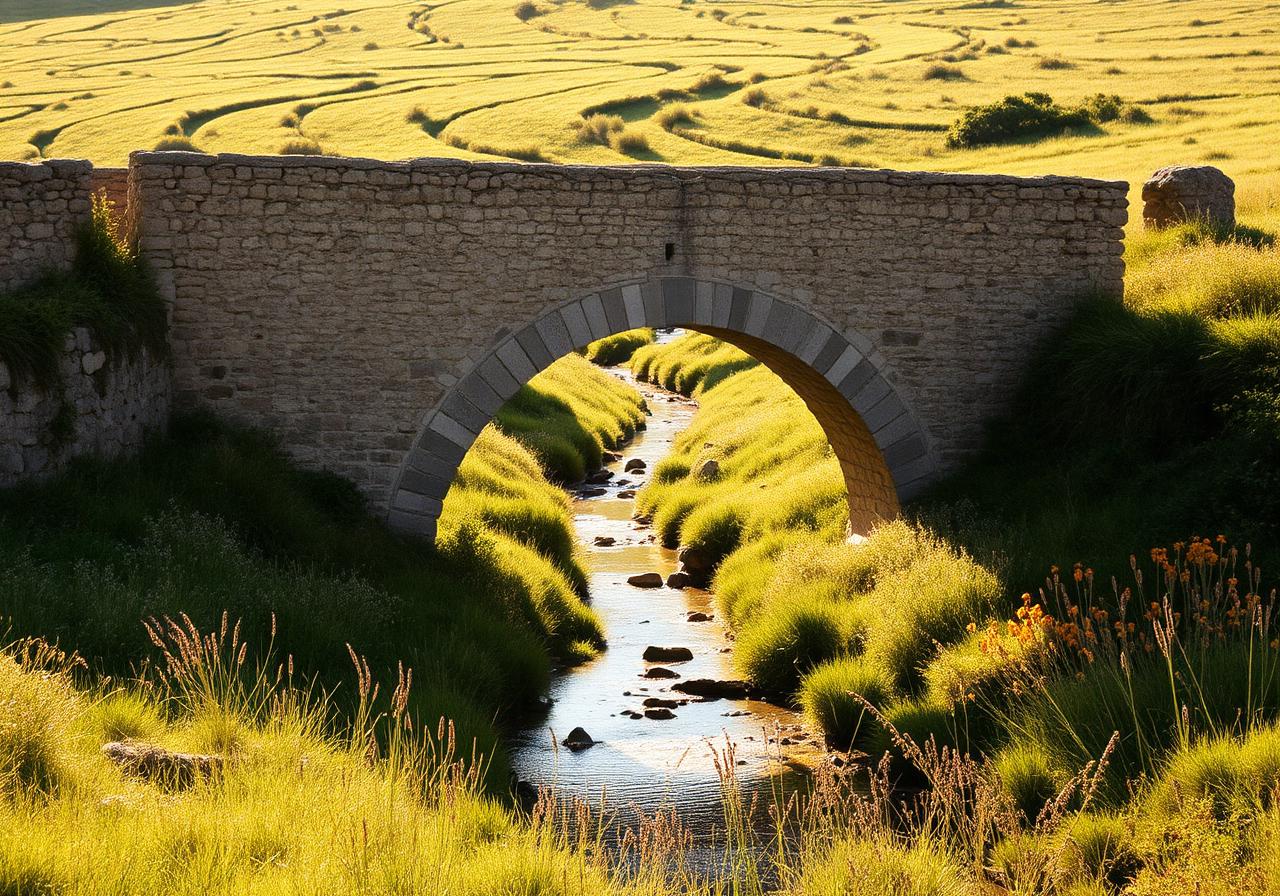
1Saint-Jean-Pied-de-Port
Pyrénées-Atlantiques, France
The traditional starting point — a fortified Basque town at the foot of the Pyrenees.
- 2
Roncesvalles
Navarra
A Romanesque monastery in a Pyrenean clearing — the official Spanish start of the Francés.
- 3
Zubiri
Navarra
A small bridge village in a green Pyrenean valley — the first night for many after Roncesvalles.
 4
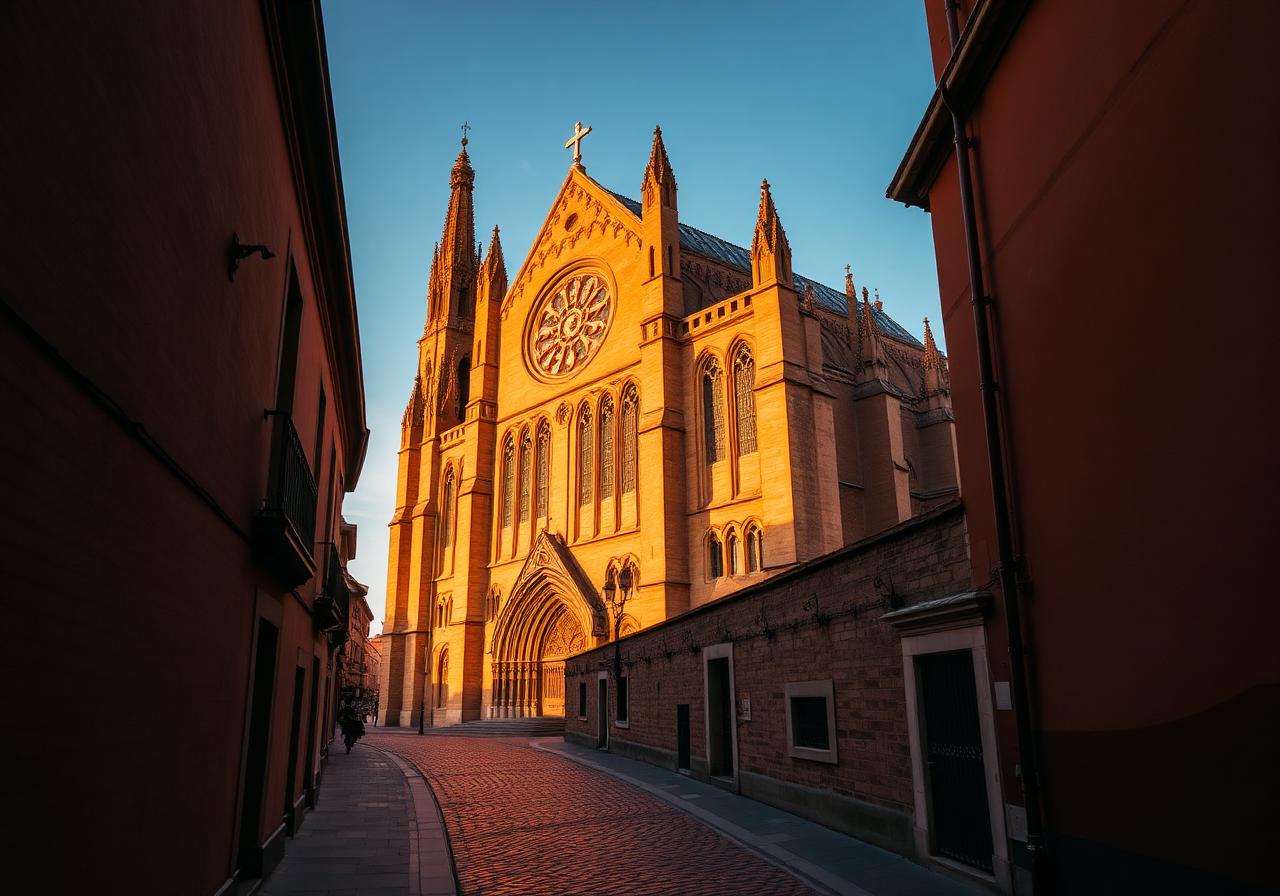
4Pamplona
Navarra
The first city on the Francés — Hemingway's town, famous for the Running of the Bulls.
- 5
Puente la Reina
Navarra
Where the Camino Francés and Camino Aragonés merge — at a perfect 11th-century bridge.
- 6
Estella-Lizarra
Navarra
A handsome riverside town once called the 'Toledo of the North' for its mix of cultures.
- 7
Los Arcos
Navarra
A quiet plaza town with one of Spain's most overwhelming Baroque church interiors.
- 8
Viana
Navarra
The last town in Navarra — and where Cesare Borgia is buried beneath the church steps.
- 9
Logroño
La Rioja
Capital of La Rioja — the Camino's most celebrated tapas city.
- 10
Nájera
La Rioja
A red-cliff town with a royal pantheon carved into the rock.
- 11
Santo Domingo de la Calzada
La Rioja
The town built by a saint to serve pilgrims — and home to the famous live rooster.
- 12
Belorado
Castilla y León
An old leather-tanning town beneath ochre cliffs honeycombed with hermit caves.
- 13
San Juan de Ortega
Castilla y León
A hamlet built around a Romanesque monastery in deep oak forest — and an equinox light miracle.
- 14
Burgos
Castilla y León
Castile's medieval capital — home to one of Spain's greatest Gothic cathedrals.
- 15
Hornillos del Camino
Burgos, Castilla y León
A single-street meseta village that exists only for the Camino — and feels like it.
- 16
Hontanas
Burgos, Castilla y León
A meseta hamlet that hides in a fold of the plain until you are almost on top of it.
- 17
Castrojeriz
Burgos, Castilla y León
A long ridge town sprawled along the foot of a Celtic-Roman castle hill.
- 18
Frómista
Palencia
A meseta village famous for what is often called the most perfect Romanesque church in Spain.
- 19
Boadilla del Camino
Palencia
A tiny meseta village with a remarkable 15th-century stone justice column in its plaza.
- 20
Carrión de los Condes
Palencia
A meseta town famous for its singing nuns and its 13th stretch of nothingness ahead.
- 21
Terradillos de los Templarios
Palencia
A tiny adobe village said to have been a Templar holding — and the Camino's symbolic midpoint.
- 22
Sahagún
León
Once one of the most powerful Cluniac monasteries in Europe — and roughly the halfway point.
- 23
Bercianos del Real Camino
León
An adobe-and-straw village on the open meseta — and home to a beloved donativo parish albergue.
- 24
Mansilla de las Mulas
León
A walled river town on the Esla — last stop before León, with surviving medieval ramparts.
- 25
León
Castilla y León
A spirited cathedral city marking the gateway to the final third of the Francés.
- 26
Hospital de Órbigo
León
A village split by Spain's longest medieval bridge — site of the famous 1434 chivalric Paso Honroso.
- 27
Astorga
León
Roman city, Maragato heartland, and the unlikely home of a Gaudí palace.
- 28
Rabanal del Camino
León
A stone-built mountain village restored almost single-handedly by an English Camino confraternity.
- 29
Foncebadón
León
A near-ghost mountain village just below the Cruz de Ferro — the Camino's symbolic high point.
- 30
Ponferrada
El Bierzo, León
A Templar castle town at the gateway to the Bierzo wine country.
- 31
Cacabelos
El Bierzo, León
A relaxed Bierzo wine town on the Cúa river, full of bodegas and tapas bars.
- 32
Villafranca del Bierzo
El Bierzo, León
A wine-country town with its own 'Door of Forgiveness' for pilgrims who could go no further.
- 33
Las Herrerías
León
The last village before the steep climb to O Cebreiro — a green valley of slate roofs and forges.
 34
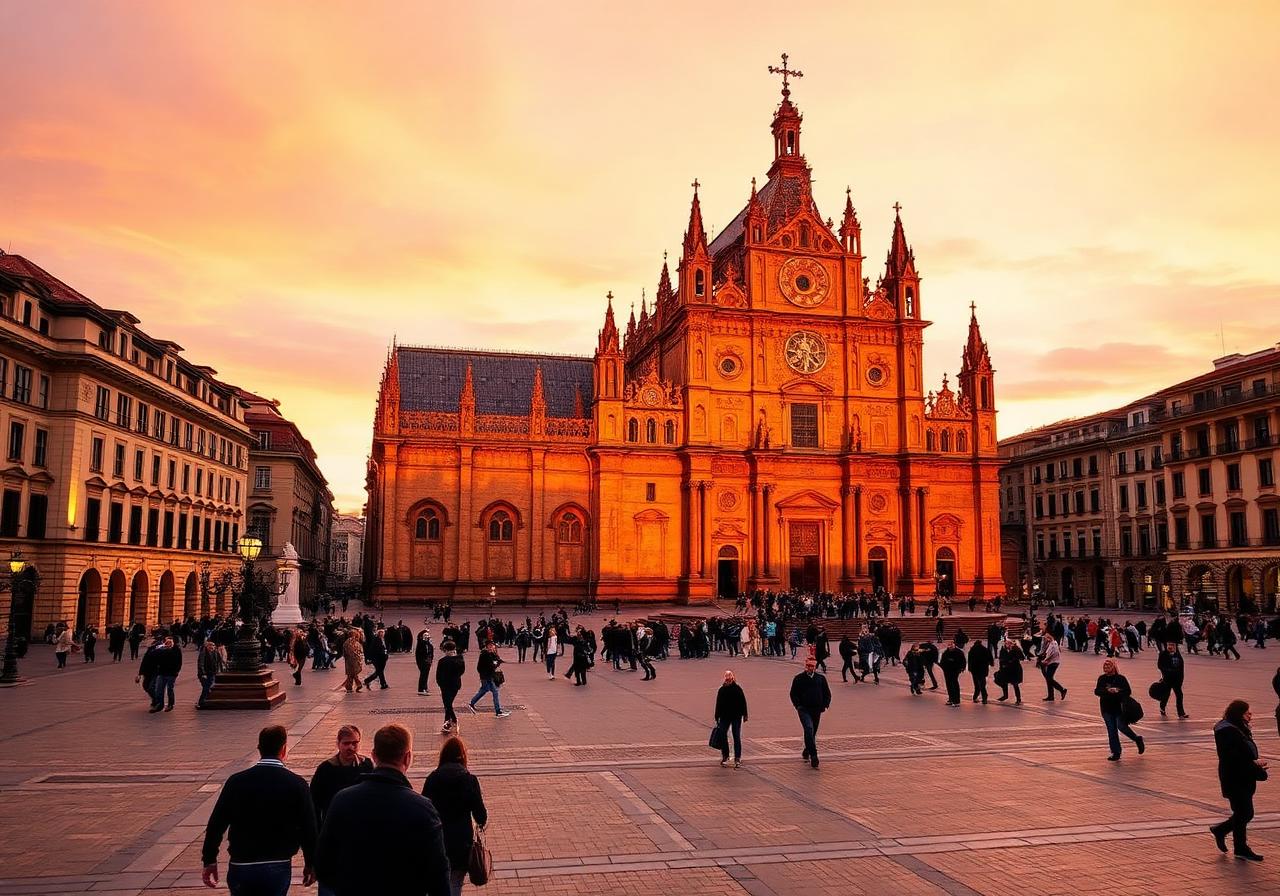
34O Cebreiro
Lugo, Galicia
A mountain hamlet of Celtic pallozas — the dramatic doorway to Galicia.
- 35
Triacastela
Lugo, Galicia
A Galician mountain village where pilgrims once carried limestone to Castañeda's kilns for the cathedral of Santiago.
- 36
Samos
Lugo, Galicia
Home to one of the oldest still-active monasteries in the Western world.
- 37
Sarria
Lugo, Galicia
Where the busiest 100-km final push begins — and a charming medieval upper town.
- 38
Portomarín
Lugo, Galicia
A town moved stone-by-stone above its drowned old quarter.
- 39
Palas de Rei
Lugo, Galicia
A green Galician town named for a vanished Visigothic royal palace.
- 40
Melide
A Coruña, Galicia
The Camino's pulpo capital — where the Francés meets the Camino Primitivo.
- 41
Arzúa
A Coruña, Galicia
Where the Camino Norte joins the Francés — and the home of Galicia's most famous cheese.
- 42
O Pedrouzo (Arca)
A Coruña, Galicia
A linear eucalyptus-shaded town that serves as the traditional last night before Santiago.
- 43
Santiago de Compostela
Galicia
The journey's end — and for many pilgrims, a new beginning.
8 stops
Camino Portugués
Lisbon or Porto, Portugal → Santiago de Compostela, Spain
 1
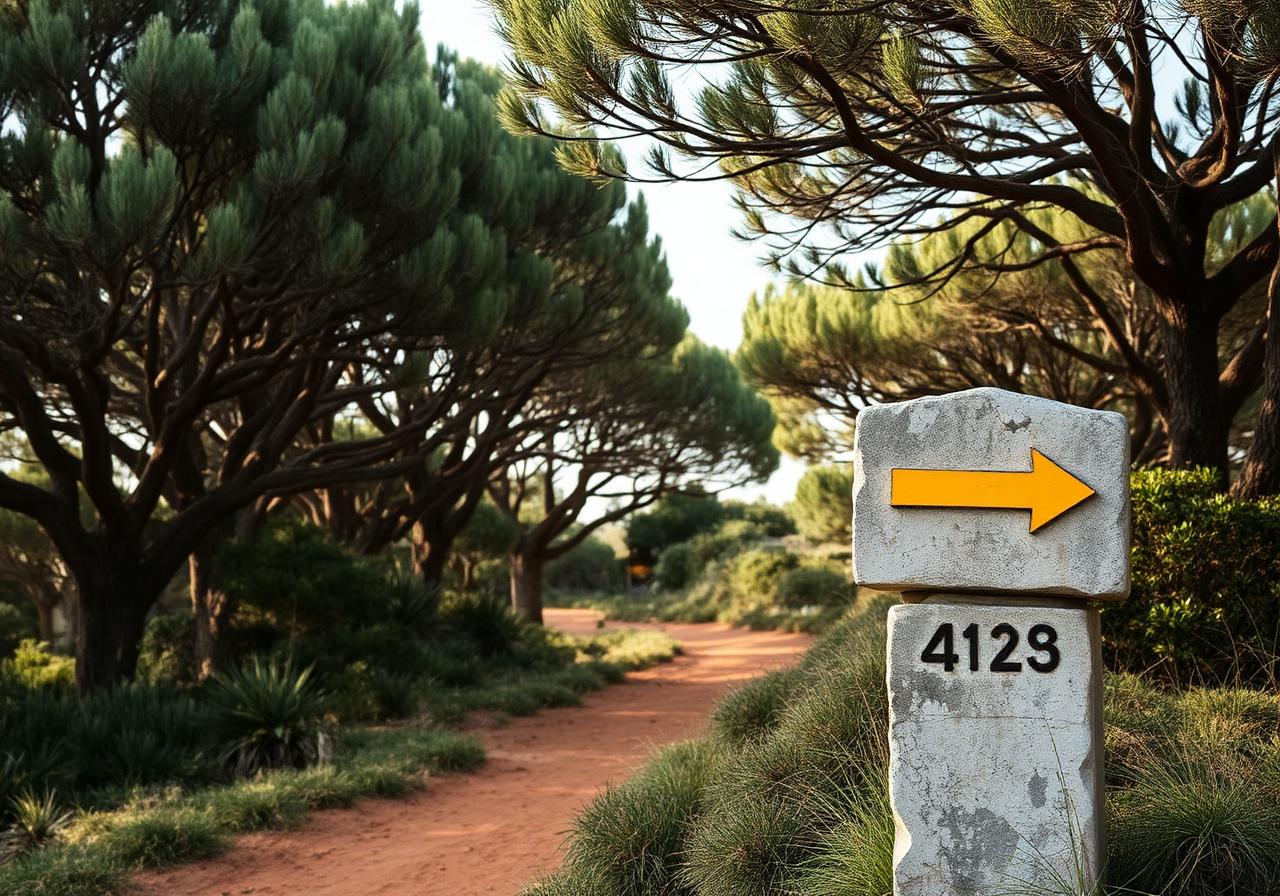
1Porto
Norte, Portugal
The Douro's port-wine city and starting point for most Portugués pilgrims.
- 2
Barcelos
Norte, Portugal
Home of Portugal's iconic rooster legend — and a thriving Thursday market.
- 3
Ponte de Lima
Norte, Portugal
Portugal's oldest town — strung along a Roman bridge over the river Lima.
- 4
Tui
Pontevedra, Galicia
The Spanish gateway across the Miño from Valença, crowned by a fortress cathedral.
- 5
Pontevedra
Galicia
Spain's most pedestrian-friendly historic centre — a delight after a day's walking.
- 6
Caldas de Reis
Pontevedra, Galicia
A Roman thermal town where pilgrims still soak weary feet in hot springs.
- 7
Padrón
A Coruña, Galicia
Where, by tradition, Saint James's body came ashore — and where his peppers grow.
- 8
Santiago de Compostela
Galicia
The journey's end — and for many pilgrims, a new beginning.
19 stops
Camino del Norte
Irún, Spain → Santiago de Compostela, Spain
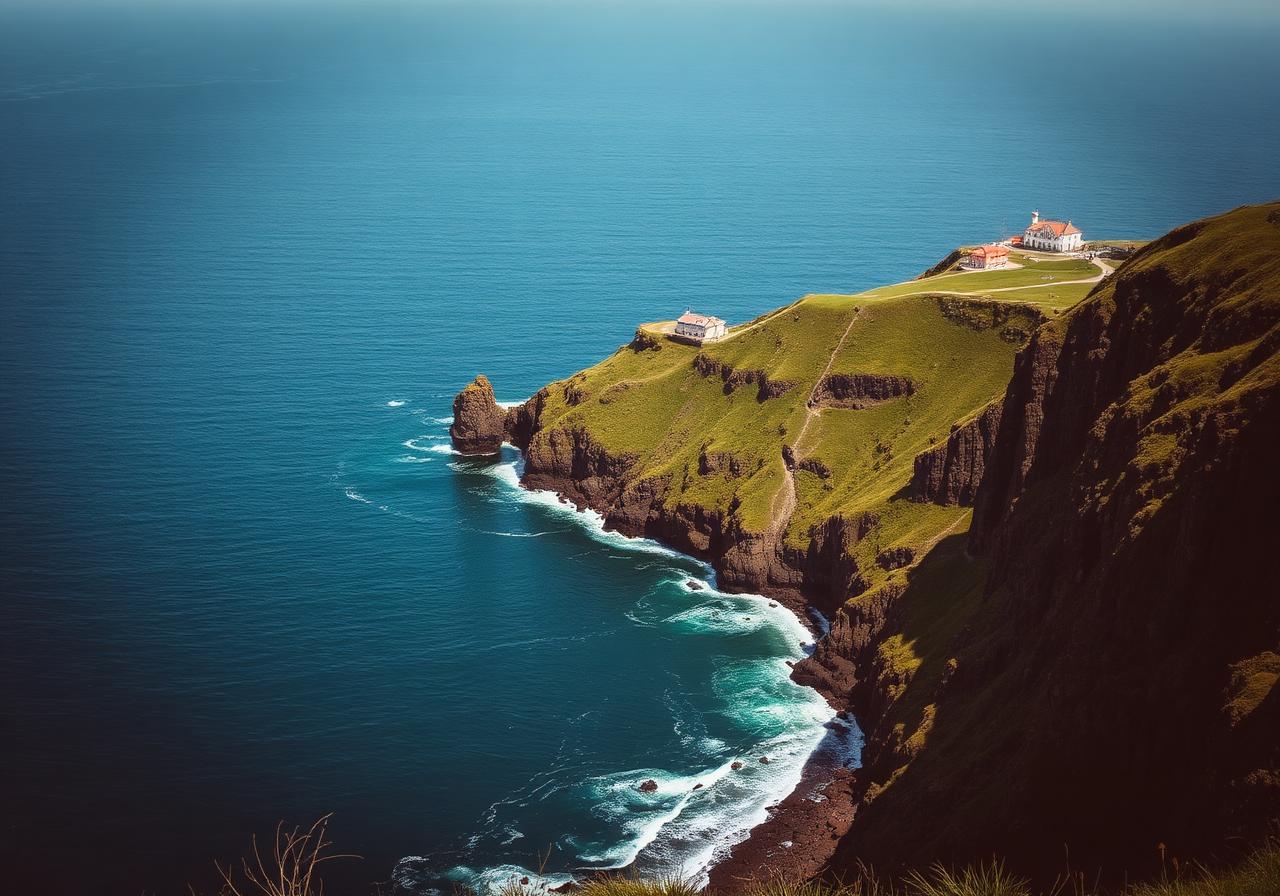 1
1San Sebastián / Donostia
Gipuzkoa, Basque Country
Belle Époque elegance, three crescent beaches, and the world's densest concentration of Michelin stars.
- 2
Zarautz
Gipuzkoa, Basque Country
A 2.5-km surf beach backed by a quiet medieval town.
- 3
Bilbao
Bizkaia, Basque Country
Industrial port reborn as a museum-led design city — and a glorious detour off the trail.
- 4
Castro Urdiales
Cantabria
A Templar castle and a Gothic church rising straight from the Cantabrian Sea.
- 5
Laredo
Cantabria
A 5-km golden beach — once Charles V's favourite landing point for crossing into Spain.
- 6
Santander
Cantabria
A Belle Époque seafront capital rebuilt with elegance after the 1941 fire.
- 7
Santillana del Mar
Cantabria
The 'town of three lies' — neither santi (holy), llana (flat), nor by the mar.
- 8
Comillas
Cantabria
A small seaside town with — improbably — a Gaudí villa and a Modernist university.
- 9
Llanes
Asturias
An Asturian fishing port wrapped in cliffs and painted concrete blocks.
- 10
Ribadesella
Asturias
Where the Sella meets the sea — and the great August canoe descent finishes.
- 11
Gijón
Asturias
Asturias's biggest city — Roman baths, a working port, and the cradle quarter of Cimavilla.
- 12
Avilés
Asturias
A medieval old town hiding behind heavy industry — and Niemeyer's only Spanish building.
- 13
Luarca
Asturias
A white-washed fishing village wedged into a green ravine above its harbour.
- 14
Ribadeo
Lugo, Galicia
Where the Eo estuary marks the entrance into Galicia — and the Praia das Catedrais is just down the coast.
- 15
Mondoñedo
Lugo, Galicia
A tiny Galician former bishopric with a cathedral plaza far grander than the town deserves.
- 16
Vilalba
Lugo, Galicia
A Terra Chá market town beneath a restored medieval keep.
- 17
Sobrado dos Monxes
A Coruña, Galicia
A working Cistercian monastery that takes pilgrims for the night.
- 18
Arzúa
A Coruña, Galicia
Where the Camino Norte joins the Francés — and the home of Galicia's most famous cheese.
- 19
Santiago de Compostela
Galicia
The journey's end — and for many pilgrims, a new beginning.
14 stops
Camino Primitivo
Oviedo, Asturias → Santiago de Compostela, Spain
- 1
Oviedo
Asturias
The royal capital of Asturias and birthplace of the Camino — where King Alfonso II began the first pilgrimage.
- 2
Grado
Asturias
A market town in the Nora valley and the traditional first night out of Oviedo.
- 3
Salas
Asturias
A small Asturian town clustered around the Renaissance tower-palace of the Valdés-Salas family.
- 4
Tineo
Asturias
A hilltop town with sweeping views — and the home of the chosco sausage.
- 5
Pola de Allande
Asturias
The last village before the Puerto del Palo — a quiet base under the high mountains.
- 6
Berducedo
Asturias
A tiny mountain hamlet at the top of the Puerto del Palo — Primitivo legend.
- 7
Grandas de Salime
Asturias
Home of Pepe el Ferreiro's beloved ethnographic museum and the last stop before Galicia.
- 8
A Fonsagrada
Lugo, Galicia
A high Galician town named for its 'sacred fountain' — the first stop after crossing into Galicia.
- 9
O Cádavo (Baleira)
Lugo, Galicia
A quiet stage-end in the Galician highlands, on the descent toward Lugo.
- 10
Lugo
Galicia
The only city in the world ringed by a complete Roman wall — a UNESCO masterpiece you can walk on top of.
- 11
Melide
A Coruña, Galicia
The Camino's pulpo capital — where the Francés meets the Camino Primitivo.
- 12
Arzúa
A Coruña, Galicia
Where the Camino Norte joins the Francés — and the home of Galicia's most famous cheese.
- 13
O Pedrouzo (Arca)
A Coruña, Galicia
A linear eucalyptus-shaded town that serves as the traditional last night before Santiago.
- 14
Santiago de Compostela
Galicia
The journey's end — and for many pilgrims, a new beginning.
4 stops
Camino Inglés
Ferrol (or A Coruña), Galicia → Santiago de Compostela, Spain
- 1
Ferrol
Galicia
The naval port where most modern Camino Inglés pilgrims begin — a deep Atlantic ría on Galicia's north coast.
- 2
A Coruña
Galicia
The historic Atlantic port where medieval English and Irish pilgrims often first set foot in Galicia.
- 3
Betanzos
Galicia
A medieval Galician town on the Camino Inglés, famous for its old quarter and the legendary tortilla de Betanzos.
- 4
Santiago de Compostela
Galicia
The journey's end — and for many pilgrims, a new beginning.