
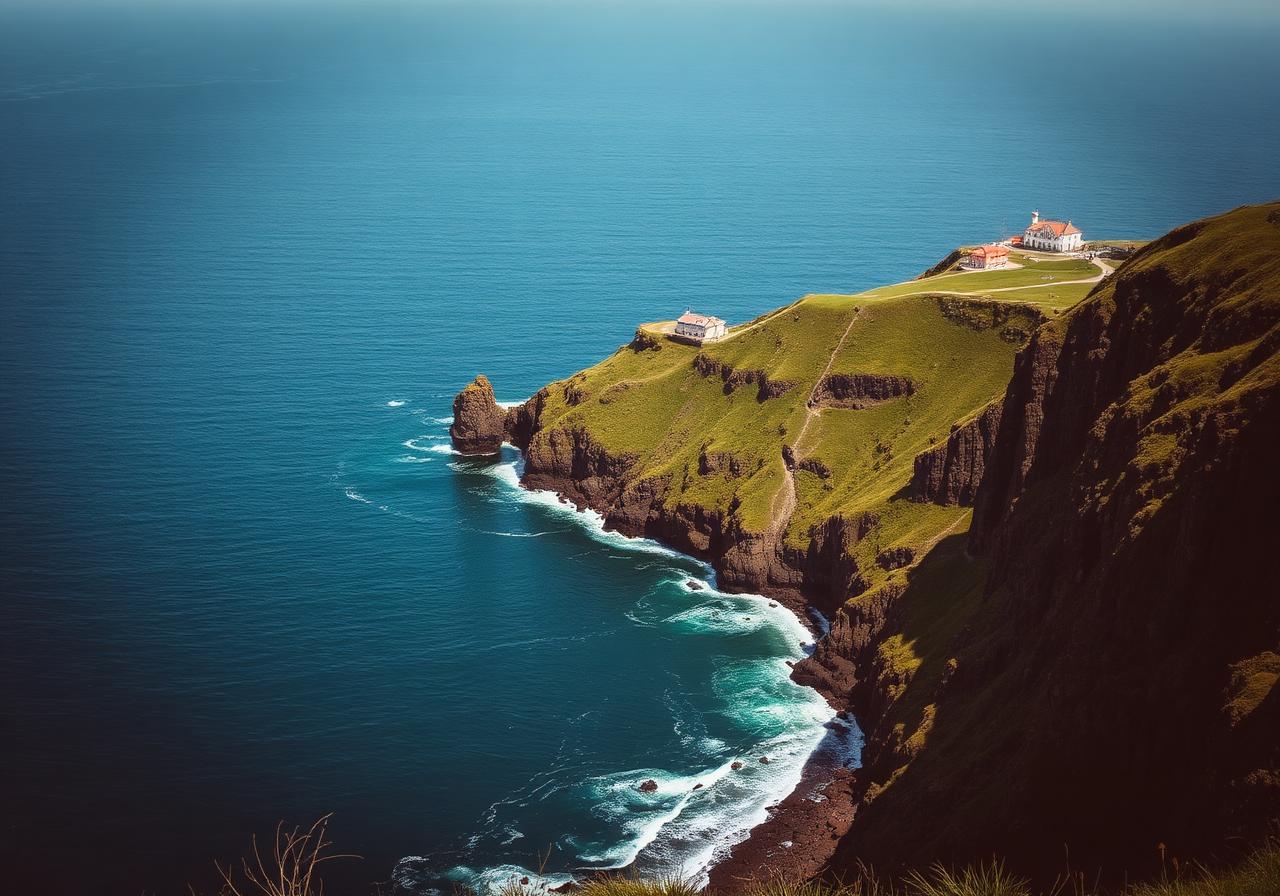
Camino Inglés
The English Way — a short maritime route from the Galician coast to Santiago.
Distance
120 km
Duration
5–7 days
Difficulty
Moderate
Best season
April – October
Highlights
- 6 featured stages
- Ferrol (or A Coruña), Galicia → Santiago de Compostela, Spain
- Departure from Ferrol's naval port
- Ría de Ferrol estuary views
- Quiet arrival into Neda
About this route
The historic landing route for medieval pilgrims who arrived by sea from England, Ireland, Scotland, Scandinavia and Flanders. From the ports of Ferrol or A Coruña the trail strikes inland through Betanzos and Hospital de Bruma to Santiago — short, scenic, and deeply tied to Atlantic Europe.
Stages
A featured selection of stages on the Camino Inglés. Click any stage for distance, albergues, and where to eat.
Your progress on the Camino Inglés
6 stages · 121 km · ~30 h 10 min total walking
0 km / 0 min done · 121 km / 30 h 10 min to go
Walking times assume a steady ~4.5 km/h pace plus 10 min per 100 m of ascent. They cover moving time only — add breaks, photo stops and coffee.
- 1
Ferrol → Neda
15 km • 150 m gain • Easy
Departure from Ferrol's naval port • Ría de Ferrol estuary views • Quiet arrival into Neda
- 2
Neda → Pontedeume
16 km • 250 m gain • Moderate
Climb out of the ría • Forest tracks above the coast • Medieval bridge into Pontedeume
- 3
Pontedeume → Betanzos
21 km • 380 m gain • Moderate
Forest climb to Miño • Long descent to the Mandeo estuary • Betanzos' medieval old town
- 4
Betanzos → Hospital de Bruma
28 km • 720 m gain • Challenging
Long sustained climb • Quiet rural Galicia • Historic pilgrim hospital site at Bruma
- 5
Hospital de Bruma → Sigüeiro
25 km • 280 m gain • Moderate
Rolling Galician farmland • Eucalyptus forest stretches • Arrival at Sigüeiro on the Tambre
- 6
Sigüeiro → Santiago de Compostela
16 km • 200 m gain • Easy
Final approach through Galician countryside • Entering Santiago from the north • Arrival at Praza do Obradoiro
Towns on this route
Cities and villages worth a longer stop along the Camino Inglés.
Galicia
Ferrol
The naval port where most modern Camino Inglés pilgrims begin — a deep Atlantic ría on Galicia's north coast.
Galicia
A Coruña
The historic Atlantic port where medieval English and Irish pilgrims often first set foot in Galicia.
Galicia
Betanzos
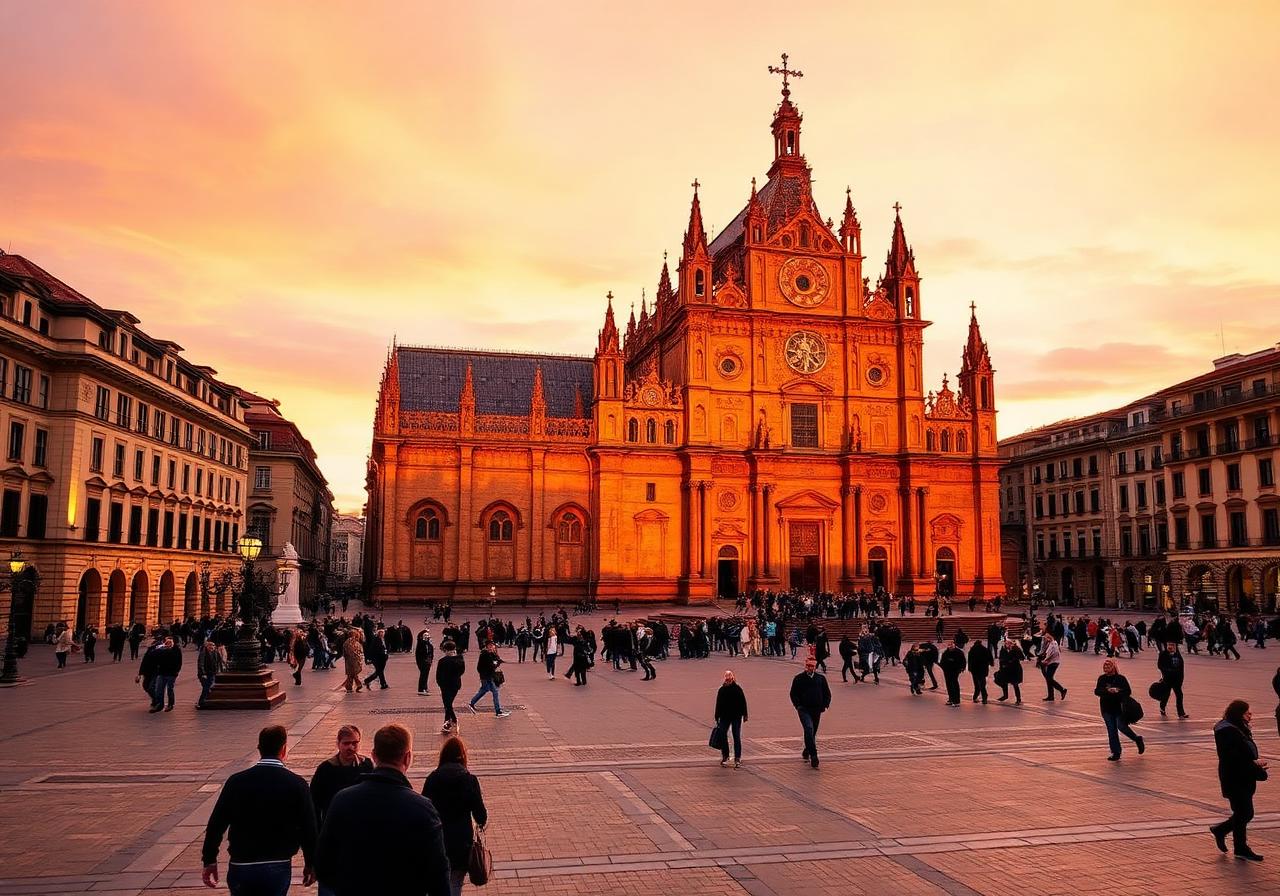
A medieval Galician town on the Camino Inglés, famous for its old quarter and the legendary tortilla de Betanzos.
Galicia
Santiago de Compostela
The journey's end — and for many pilgrims, a new beginning.
Interactive map
A clickable map of stages, towns, and albergues is coming soon — built on Leaflet and OpenStreetMap so it stays free and fast.
Medieval history
The English Way through the Middle Ages
The Camino Inglés is the only major Camino route shaped as much by the sea as by the road. For four centuries, ships from Bristol, Plymouth, Southampton and the Irish ports carried pilgrims to Galicia, where the walking pilgrimage to Santiago de Compostela began at the harbour. The summary below captures the four ideas most worth remembering; the full timeline expands on each phase.
A sea-borne pilgrimage
From the 12th century onward, English, Irish and northern European pilgrims sailed to Galicia rather than walking the long overland route through France and Spain.
A Coruña and Ferrol as gateways
A Coruña — guided by the Roman Tower of Hercules — was the main medieval landing port, with Ferrol's sheltered ría close behind. Both grew pilgrim hospices around their harbours.
Inland through Betanzos and Bruma
From the coast the route turned south through Betanzos, a historic capital of the Kingdom of Galicia, and the pilgrim hospital at Hospital de Bruma before the final stretch.
Decline and modern revival
Reformation, Anglo-Spanish wars and Atlantic dangers cut the flow for centuries. Today Ferrol is the standard starting point because it just exceeds the 100 km Compostela minimum.
Camino Inglés medieval timeline
9 historical phases · tap to expand
Camino Inglés medieval timeline
9 historical phases · tap to expand
9th century
Discovery of Saint James' tomb
The reported finding of the apostle's tomb in Galicia turns a remote corner of the peninsula into a destination. Royal and ecclesiastical support quickly follow, and the idea of a pilgrimage to Santiago de Compostela begins to spread across Christian Europe.
10th–11th centuries
Atlantic Europe hears of Compostela
As the cult of Saint James grows, pilgrims from England, Ireland, Scotland, Scandinavia and Flanders start considering the journey. For northern travellers the long overland route through France and Spain is daunting, and the sea begins to look like a faster — if riskier — alternative.
12th century
Sea pilgrimage takes shape
Trade ships criss-crossing the Bay of Biscay and the Atlantic carry not only wool, wine and salt but pilgrims. Maritime networks linking northern Europe to Galicia turn ports on the Galician coast into the natural landfall for English and Irish travellers heading to Santiago.
13th–14th centuries
A Coruña and Ferrol become pilgrim ports
A Coruña — guided in by the Roman Tower of Hercules — emerges as the most important medieval landing place for sea-borne pilgrims, with Ferrol's sheltered ría close behind. Pilgrim churches, hospices and confraternities grow up around the harbours to receive new arrivals.
14th–15th centuries
The English Way at its peak
English pilgrimage to Santiago reaches its medieval high-water mark, with chartered ships sailing in convoys from Bristol, Plymouth, Southampton and Irish ports. The walking route from the Galician coast inland is well-established enough to earn its name: the Camino Inglés.
Medieval
Inland route through Betanzos and Bruma
From the ports the route strikes south through the Galician interior. Betanzos, one of the four historic capitals of the Kingdom of Galicia, becomes a key inland stop, while the pilgrim hospital at Hospital de Bruma gives weary, sea-tired walkers shelter before the final stretch.
16th–18th centuries
Reformation and decline
The Protestant Reformation, repeated wars between England and Catholic Spain, and growing dangers in the Atlantic cut the flow of northern pilgrims. The Camino Inglés survives as a local memory but loses its international character, quieter for centuries than the Camino Francés.
Late 20th century – today
Modern revival from Ferrol
As the broader Camino revival takes hold, walkers rediscover the English Way. Ferrol becomes the standard modern starting point because it just exceeds the 100 km minimum for the Compostela. New waymarking, albergues and pilgrim services bring the maritime route back to life.
Arrival
Compostela
However the journey began — by sea from Plymouth, on foot from Ferrol, or as a short modern Camino — the route still ends in the same place: the cathedral of Santiago de Compostela, traditionally built over the tomb of the apostle.
Glossary
Medieval Camino Inglés terms
A quick reference for the ports, hospices, towns and pilgrim vocabulary that shaped the English Way. Linked terms jump to the relevant town, route or article.
Ports & landings
- A Coruña
- The principal medieval landing port for English and Irish pilgrims sailing to Santiago, watched over by the Roman Tower of Hercules.
- Ferrol
- Sheltered Galician ría that received pilgrim ships from northern Europe and is today the standard starting point of the Camino Inglés.
- Tower of Hercules
- Roman-era lighthouse at A Coruña that guided medieval pilgrim ships into harbour — the oldest working lighthouse in the world.
- Pilgrim convoy
- Chartered fleets of ships — often from Bristol, Plymouth or Southampton — that sailed together for safety, carrying hundreds of pilgrims to Galicia in a single voyage.
Hospices & shelter
- Hospital de peregrinos
- Medieval pilgrim hospice — part inn, part infirmary, part chapel — run by religious orders or confraternities to shelter and care for travellers.
- Hospital de Bruma
- Inland pilgrim hospital where the Ferrol and A Coruña branches of the Camino Inglés meet before the final stretch to Santiago.
- Confraternity
- Lay brotherhood — often based in a port city — that organised pilgrim ships, raised funds for hospices and looked after sick or stranded pilgrims.
- Albergue
- Modern descendant of the medieval hospice: a basic, pilgrim-only hostel found at most stages along today's Camino Inglés.
Key towns
- Betanzos
- One of the four historic capitals of the Kingdom of Galicia and a key inland stop on the Camino Inglés between the coast and Bruma.
- Pontedeume
- Walled medieval town on the Eume estuary, on the Ferrol branch of the Camino Inglés, with a fortified bridge that gave the town its name.
- Hospital de Bruma (Mesía)
- Tiny inland hamlet built around its medieval pilgrim hospital, now the traditional meeting point of the Ferrol and A Coruña routes.
- Santiago de Compostela
- The destination of every Camino: the Galician city built around the cathedral that traditionally houses the tomb of the apostle Saint James.
Pilgrim vocabulary
- Compostela
- Latin certificate issued by the cathedral in Santiago to pilgrims who walk the last 100 km (or cycle the last 200 km) for religious or spiritual reasons.
- Credencial
- Pilgrim passport carried along the Camino and stamped at albergues, churches and bars as proof of the journey.
- Vieira
- Scallop shell — the symbol of Saint James and the universal badge of pilgrims on every Camino route, including the English Way.
- Camino Inglés
- Literally the “English Way” — the medieval pilgrimage route from Galicia's Atlantic ports to Santiago, named for the English and Irish pilgrims who sailed it.
Related reading
All articles about the Camino Inglés
Every post on Camino Compass that mentions this route, its towns, or its stages — 9 in total.
Culture
The History of the Camino Inglés
Discover the history of the Camino Inglés, the English Way to Santiago de Compostela, used by medieval pilgrims arriving by sea from England, Ireland, and northern Europe.
12 min read
Culture
The Meaning of the Yellow Arrows on the Camino de Santiago
Discover the meaning of the yellow arrows on the Camino de Santiago, where they came from, and why they have become one of the most beloved symbols of The Way.
9 min read
Culture
Why Did Pilgrims Walk to Finisterre?
Discover why pilgrims walked from Santiago to Finisterre, the "end of the world," and how this Atlantic extension became one of the most meaningful parts of the Camino.
11 min read
Culture
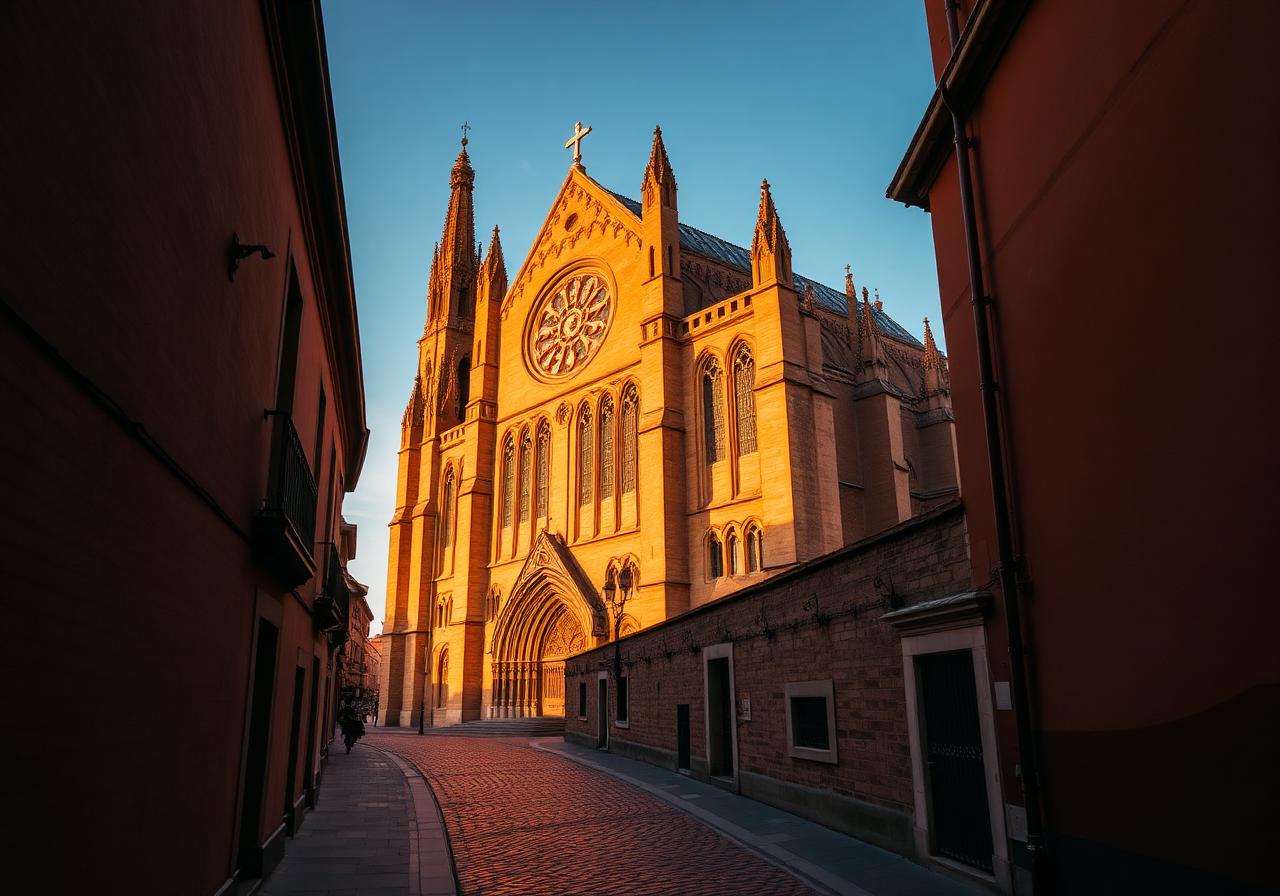
The History of Pilgrim Hospitals on the Camino de Santiago
Discover the history of pilgrim hospitals on the Camino de Santiago and how medieval hospitality, shelter, food, and care helped pilgrims survive the journey to Santiago.
13 min read
Culture
The Cathedral of Santiago de Compostela: History and Meaning
Discover the history and meaning of the Cathedral of Santiago de Compostela, the spiritual heart of the Camino and the traditional resting place of Saint James.
13 min read
Culture
The Botafumeiro: History of Santiago Cathedral's Giant Incense Burner
Discover the history of the Botafumeiro, the giant incense burner of Santiago Cathedral, and why it has become one of the most famous traditions of the Camino de Santiago.
12 min read
Culture
How the Camino de Santiago Declined and Was Revived
Discover how the Camino de Santiago declined after the Middle Ages and how it was revived into one of the world's most famous pilgrimage routes today.
13 min read
Culture
The Camino de Santiago in Modern Times
Explore the Camino de Santiago in modern times and how an ancient pilgrimage became a global journey of faith, adventure, healing, culture, and self-discovery.
13 min read
Culture
Why the Camino de Santiago Still Matters Today
Discover why the Camino de Santiago still matters today and why this ancient pilgrimage continues to attract modern walkers seeking meaning, healing, adventure, and connection.
13 min read