
Culture
The Cathedral of Santiago de Compostela: History and Meaning
Discover the history and meaning of the Cathedral of Santiago de Compostela, the spiritual heart of the Camino and the traditional resting place of Saint James.
April 29, 2026 · 13 min read
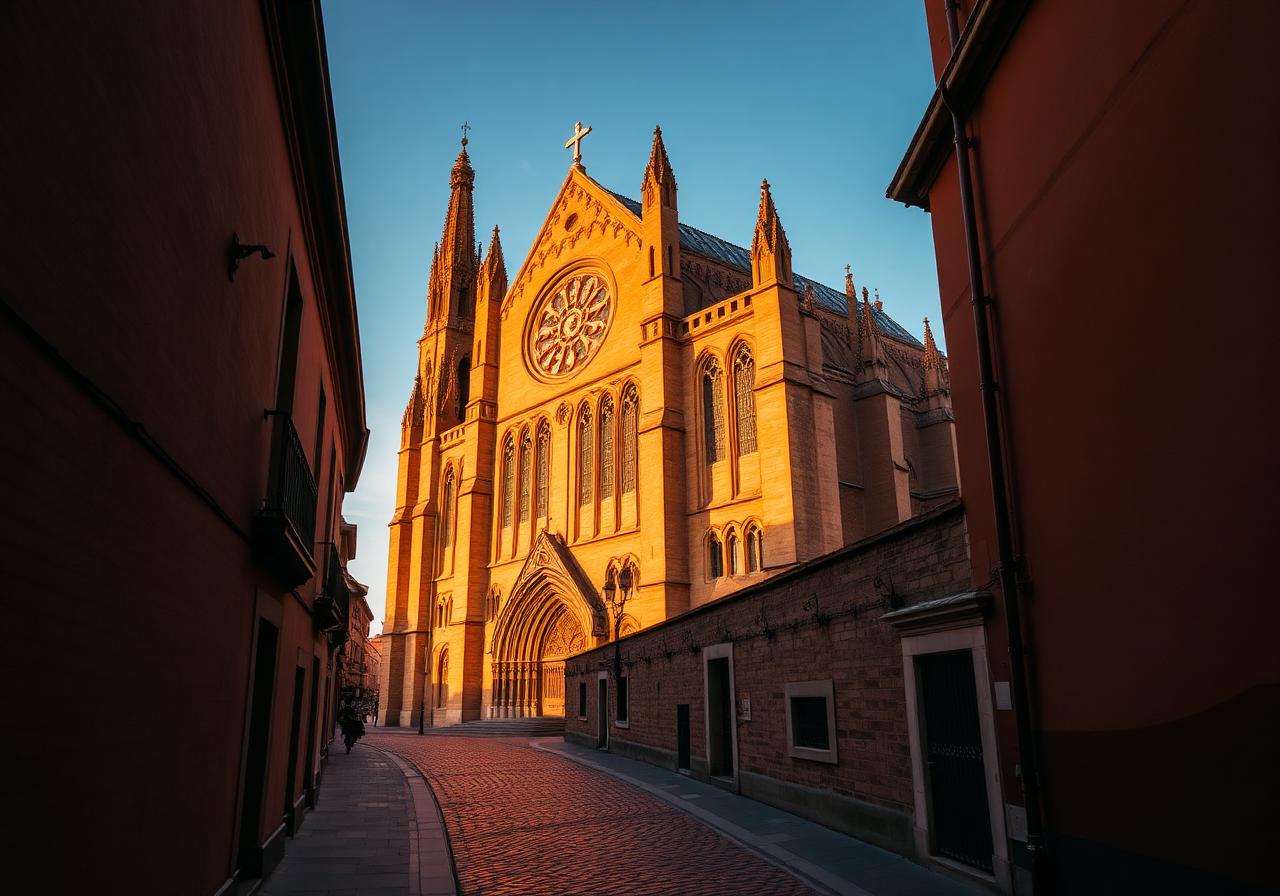
For pilgrims walking the Camino de Santiago, few moments are as powerful as arriving at the Cathedral of Santiago de Compostela. After days, weeks, or even months of walking, the cathedral becomes more than a building. It becomes the symbol of arrival. It is the place where sore feet, long roads, friendships, doubts, prayers, and memories finally gather in one square.
But the Cathedral of Santiago de Compostela is not only important because it marks the end of the Camino. It is one of the most significant religious and historical monuments in Europe. Built over the traditional tomb of Saint James the Apostle, it has been the spiritual heart of the Camino for more than a thousand years. Its history includes legend, medieval devotion, Romanesque architecture, royal support, artistic expansion, decline, restoration, and the continuing arrival of pilgrims from around the world.
Why the cathedral matters. The Cathedral of Santiago de Compostela matters because it is traditionally believed to house the tomb of Saint James the Apostle. This belief made Santiago one of the great pilgrimage destinations of medieval Christianity, alongside Rome and Jerusalem. Pilgrims traveled across Europe to pray at the tomb, seek forgiveness, give thanks, fulfill vows, or ask for healing. The cathedral became the final destination of the Camino de Santiago. For modern pilgrims, its meaning may be religious, spiritual, emotional, cultural, or personal. But whatever brings someone to the Camino, the cathedral remains the place where the journey reaches its most famous end.
The discovery of Saint James' tomb. The cathedral's history begins with the reported discovery of Saint James' tomb in the 9th century. According to tradition, a hermit named Pelayo saw mysterious lights or stars shining over a field in Galicia. Bishop Theodomir of Iria Flavia investigated and identified the remains found there as those of Saint James and his disciples. King Alfonso II of Asturias is said to have traveled to the site after hearing of the discovery. His journey is often associated with the Camino Primitivo, considered one of the earliest pilgrimage routes to Santiago. A small church was built over the tomb. That early shrine was the beginning of what would eventually become the great cathedral.
From shrine to pilgrimage center. At first, the site was a local shrine. But as the story of Saint James' tomb spread, pilgrims began arriving from farther away. The shrine grew in importance. Churches were built, expanded, damaged, rebuilt, and transformed over time. Santiago became a religious center, and the settlement around the shrine developed into a city. As pilgrimage increased, the need for a larger and more impressive church became clear. The cathedral was not built only as a monument. It was built to receive pilgrims.
The Romanesque cathedral. Construction of the great Romanesque cathedral began in the 11th century, during a period when the Camino was growing rapidly. Romanesque architecture was common across pilgrimage churches in medieval Europe. Thick walls, rounded arches, strong columns, sculpted portals, and a sense of solid grandeur defined the style. The cathedral was designed to handle large numbers of pilgrims. Its layout allowed visitors to move through the church, approach the tomb, attend services, and experience the sacred space without disrupting religious life. This practical design reflected the cathedral's role as a pilgrimage destination.
The cathedral and the medieval Camino. During the Middle Ages, the Cathedral of Santiago became the goal of one of Europe's greatest pilgrimages. Pilgrims came from France, England, Ireland, Italy, Germany, Scandinavia, Portugal, and many other regions. They followed routes across mountains, forests, plains, towns, and cities to reach Santiago. Arriving at the cathedral meant completing a journey filled with hardship and devotion. For many medieval pilgrims, entering the cathedral and praying at the tomb of Saint James may have been one of the most important moments of their lives.
The tomb of Saint James. The tomb of Saint James is the spiritual center of the cathedral. Pilgrims traditionally visit the crypt area associated with the apostle's remains. For religious pilgrims, this is the heart of the journey: the place where prayer, faith, and pilgrimage meet. From a historical perspective, the identification of the remains is a matter of tradition and belief. Scholars debate the details of the Saint James legend. But for more than a thousand years, the tomb has been treated as sacred by countless pilgrims. Its importance lies not only in historical proof, but in the meaning it has carried across centuries.
The Pórtico da Gloria. One of the cathedral's greatest artistic treasures is the Pórtico da Gloria, a masterpiece of Romanesque sculpture created by Master Mateo in the 12th century. The portal depicts Christ, apostles, prophets, angels, and symbolic figures in a richly carved theological vision. For medieval pilgrims entering the cathedral, it would have been both art and teaching. Many pilgrims arrived unable to read Latin texts, but sculpture and architecture communicated religious meaning visually. The Pórtico da Gloria helped pilgrims feel the spiritual significance of the place they had reached.
The Botafumeiro. The Botafumeiro is one of the most famous features of Santiago Cathedral. It is a giant incense burner that swings dramatically through the transept during certain services. Its movement is powerful, theatrical, and unforgettable. Historically, incense had religious meaning. It symbolized prayer rising to heaven and purified sacred space. There is also a popular idea that it helped mask the smell of medieval pilgrims who arrived after long journeys, although its deeper purpose was liturgical. For modern visitors, seeing the Botafumeiro swing is one of the most memorable experiences in Santiago.
The Pilgrim's Mass. The Pilgrim's Mass is a central tradition at the cathedral. Pilgrims gather after completing their Camino to give thanks, reflect, pray, or simply sit in the presence of others who have walked. During Mass, the countries or starting points of recent pilgrims may be mentioned. For religious pilgrims, it can be a deeply meaningful conclusion. For non-religious pilgrims, it can still be emotional to sit among people who understand the journey. The Pilgrim's Mass reminds everyone that the Camino is both individual and communal. Each pilgrim walks their own path, but they arrive together.
The embrace of Saint James. A well-known tradition at the cathedral is the embrace of the statue of Saint James above the main altar. Pilgrims climb behind the altar and place their arms around the statue as a gesture of arrival, devotion, gratitude, or completion. For many, this simple act is surprisingly emotional. It connects the physical journey of walking with the symbolic presence of the saint who gives the Camino its name.
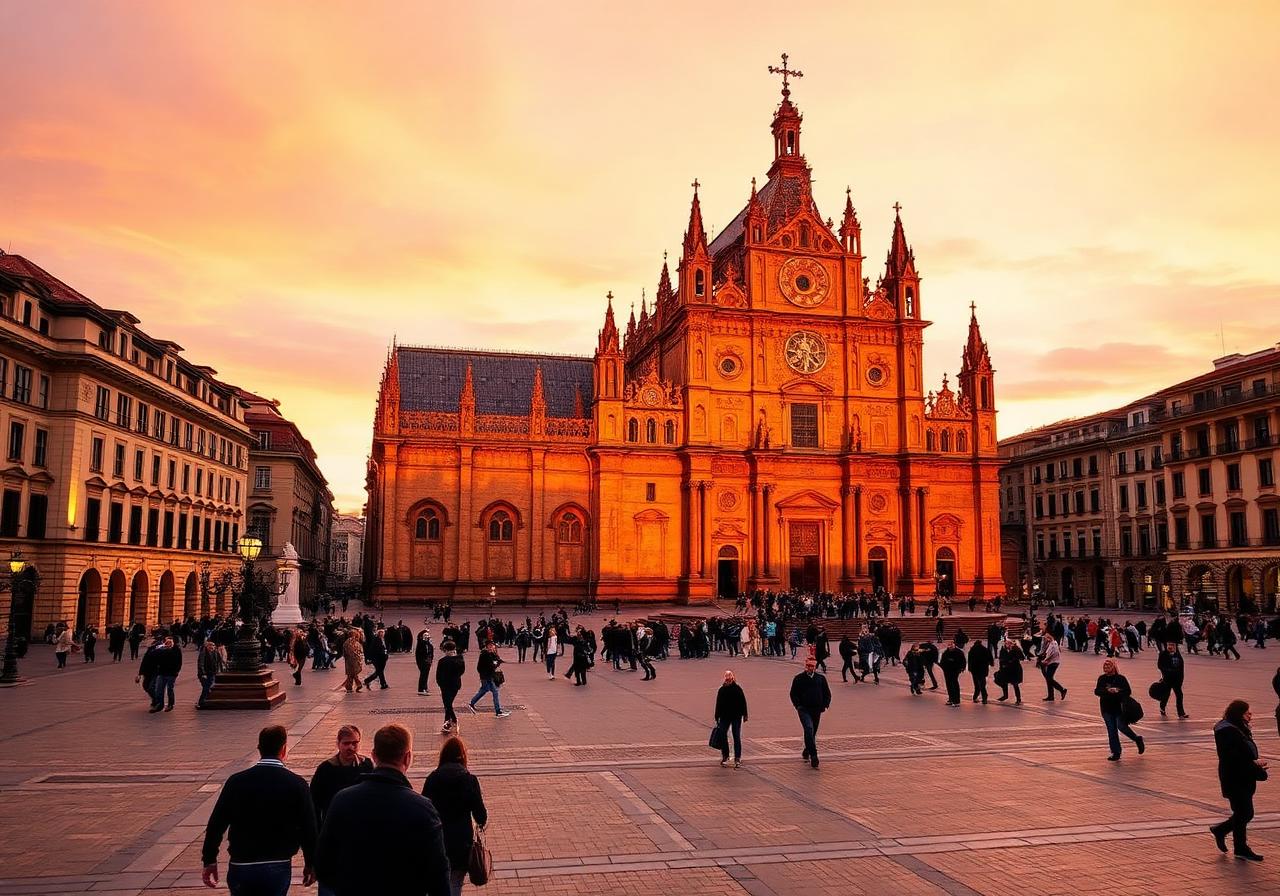
The cathedral square: Praza do Obradoiro. Praza do Obradoiro is the famous square in front of the cathedral's main façade. This is where many pilgrims experience their first full view of the cathedral. Some drop their backpacks. Some cry. Some laugh. Some lie on the stones and stare upward. Others hug friends they met along the way. The square is one of the great emotional spaces of the Camino. It is not only an architectural setting. It is a place of arrival. Every day, new stories end and begin there.
The Baroque façade. The cathedral's famous western façade, facing Praza do Obradoiro, is Baroque. Although the cathedral's core is Romanesque, later centuries added new artistic layers. The dramatic façade gives the cathedral its iconic exterior appearance today. This layering reflects the long history of the building. The cathedral is not frozen in one century. It has changed, expanded, and been restored over time, just as the Camino itself has changed.
The cathedral as a UNESCO World Heritage landmark. The old town of Santiago de Compostela is recognized as a UNESCO World Heritage Site, and the cathedral is its centerpiece. This recognition reflects the city's historical, architectural, religious, and cultural importance. The cathedral is not only a Spanish monument. It is part of world heritage. Its significance belongs to pilgrims, historians, architects, believers, travelers, and anyone interested in the long story of human movement and sacred places.
Decline and renewal. The cathedral's importance rose and fell along with the Camino. After the medieval peak of pilgrimage, the number of pilgrims declined due to religious changes, wars, political instability, and shifting travel patterns. Santiago remained important, but the pilgrimage was no longer as dominant as it had been. In the modern era, the Camino experienced a major revival. As more pilgrims returned to the routes, the cathedral once again became a global destination. Today, it receives visitors from around the world.
Restoration and preservation. Because the cathedral is so old and important, restoration and preservation are ongoing concerns. Stone, sculpture, towers, roofs, and interior spaces all require care. Large numbers of visitors create pressure on the building, while weather and time continue to affect the structure. Preserving the cathedral means protecting not only architecture but also the memory of the Camino. Every generation inherits the responsibility to care for it.
What the cathedral means to modern pilgrims. Modern pilgrims arrive at the cathedral with many different beliefs. Some are Catholic. Some belong to other faiths. Some are spiritual but not religious. Some are secular travelers. Some arrive with grief, gratitude, confusion, exhaustion, hope, or joy. The cathedral holds all of that. Its meaning is not limited to one kind of pilgrim. It offers a place where the journey can be acknowledged. For many, the cathedral becomes a mirror. It reflects what the Camino has meant to them.
Visiting the cathedral respectfully. Because the cathedral is an active place of worship, visitors and pilgrims should enter respectfully. That means keeping noise low, dressing appropriately, following posted rules, respecting services, and remembering that for many people the space is sacred. Photography may be restricted in certain areas or during services. Backpacks may not be allowed in some parts of the cathedral. Respecting the cathedral is part of respecting the Camino.
Why the cathedral still matters. The Cathedral of Santiago de Compostela still matters because pilgrims still walk toward it. For more than a thousand years, people have crossed distances to arrive there. The reasons have changed, but the act remains powerful. The cathedral gives the Camino a center. It gives the journey a visible end. It gives pilgrims a place to stand and say, 'I made it.' In a world that often moves too quickly, that kind of place still matters.
Final thoughts. The Cathedral of Santiago de Compostela is the heart of the Camino. Built over the traditional tomb of Saint James, it transformed Santiago into one of Europe's great pilgrimage destinations. Its Romanesque core, Baroque façade, Pórtico da Gloria, Botafumeiro, Pilgrim's Mass, and cathedral square all carry centuries of meaning. For medieval pilgrims, it was a sacred destination. For modern pilgrims, it remains a place of arrival, reflection, and emotion. The Camino leads to Santiago. But in many ways, Santiago leads pilgrims back into themselves. Buen Camino.
Keep exploring
Next stops & related posts
Towns, stages, and stories connected to this article — your jumping-off points to plan the next stretch of the Camino.
Pilgrim guides
Towns to visit
Suggested stages
Camino Francés · Stage 33
O Pedrouzo → Santiago de Compostela
20 km · 240 m · Moderate
Camino Portugués · Stage 11
Padrón → Santiago de Compostela
25 km · 280 m · Moderate
Camino Primitivo · Stage 14
O Pedrouzo → Santiago de Compostela
20 km · 280 m · Moderate
Camino Inglés · Stage 6
Sigüeiro → Santiago de Compostela
16 km · 200 m · Easy
Related routes
Related posts
Culture
Camino yellow arrows meaning
Discover the meaning of the yellow arrows on the Camino de Santiago, where they came from, and why they have become one of the most beloved symbols of The Way.
Culture
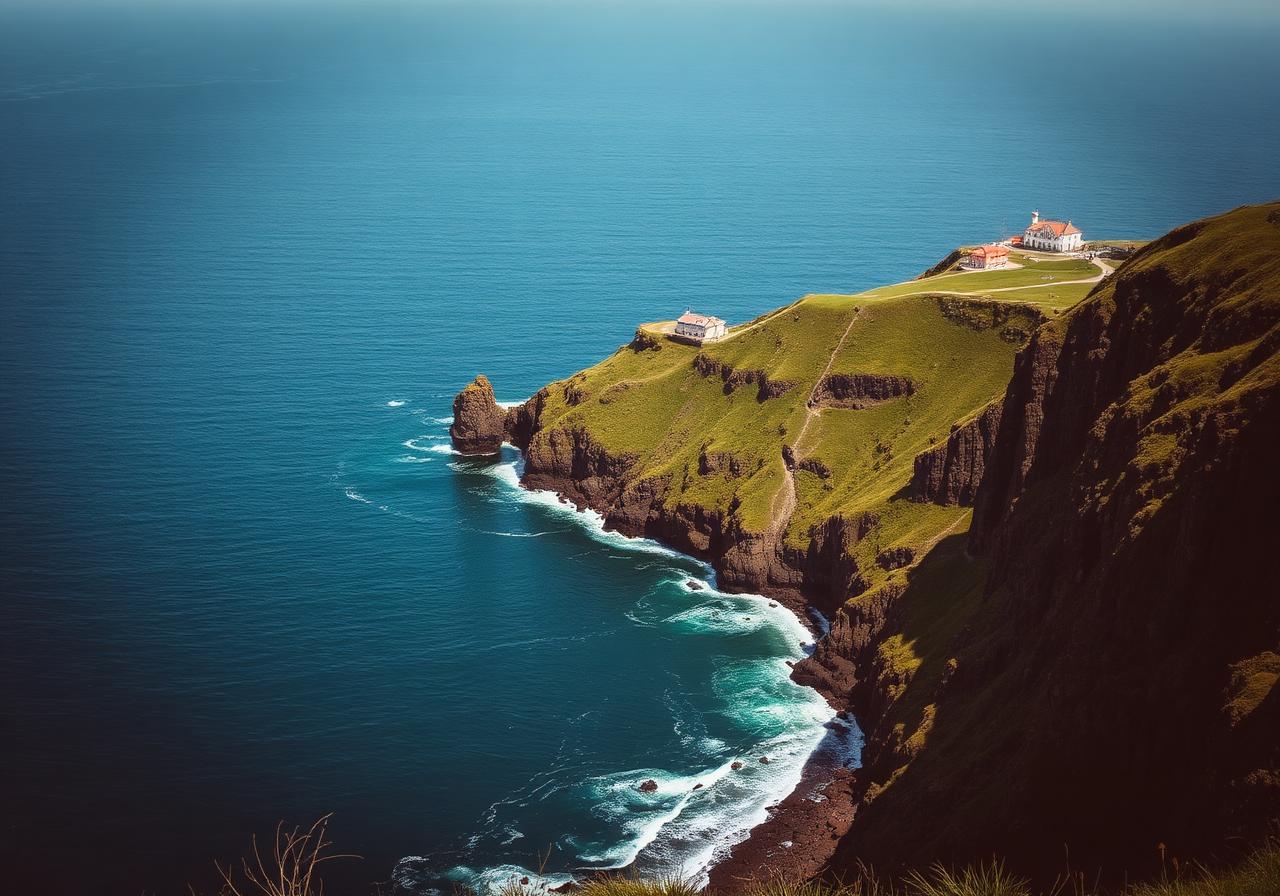
Why Did Pilgrims Walk to Finisterre?
Discover why pilgrims walked from Santiago to Finisterre, the "end of the world," and how this Atlantic extension became one of the most meaningful parts of the Camino.
Culture
The Botafumeiro: History of Santiago Cathedral's Giant Incense Burner
Discover the history of the Botafumeiro, the giant incense burner of Santiago Cathedral, and why it has become one of the most famous traditions of the Camino de Santiago.
More posts like this
Articles that share keywords, routes, or towns with this one.
Culture
The Meaning of the Yellow Arrows on the Camino de Santiago
- 4 shared routes
- 1 shared town
Culture
Why Did Pilgrims Walk to Finisterre?
- 4 shared routes
- 1 shared town
Culture
The Botafumeiro: History of Santiago Cathedral's Giant Incense Burner
- 4 shared routes
- 1 shared town
Culture
How the Camino de Santiago Declined and Was Revived
- 4 shared routes
- 1 shared town
Read next
Culture
The Meaning of the Yellow Arrows on the Camino de Santiago
Discover the meaning of the yellow arrows on the Camino de Santiago, where they came from, and why they have become one of the most beloved symbols of The Way.
9 min read
Culture
Why Did Pilgrims Walk to Finisterre?
Discover why pilgrims walked from Santiago to Finisterre, the "end of the world," and how this Atlantic extension became one of the most meaningful parts of the Camino.
11 min read
Culture
The Botafumeiro: History of Santiago Cathedral's Giant Incense Burner
Discover the history of the Botafumeiro, the giant incense burner of Santiago Cathedral, and why it has become one of the most famous traditions of the Camino de Santiago.
12 min read
Culture
How the Camino de Santiago Declined and Was Revived
Discover how the Camino de Santiago declined after the Middle Ages and how it was revived into one of the world's most famous pilgrimage routes today.
13 min read
Culture
The Camino de Santiago in Modern Times
Explore the Camino de Santiago in modern times and how an ancient pilgrimage became a global journey of faith, adventure, healing, culture, and self-discovery.
13 min read
Culture
Why the Camino de Santiago Still Matters Today
Discover why the Camino de Santiago still matters today and why this ancient pilgrimage continues to attract modern walkers seeking meaning, healing, adventure, and connection.
13 min read