
Culture
The Meaning of the Yellow Arrows on the Camino de Santiago
Discover the meaning of the yellow arrows on the Camino de Santiago, where they came from, and why they have become one of the most beloved symbols of The Way.
April 29, 2026 · 9 min read
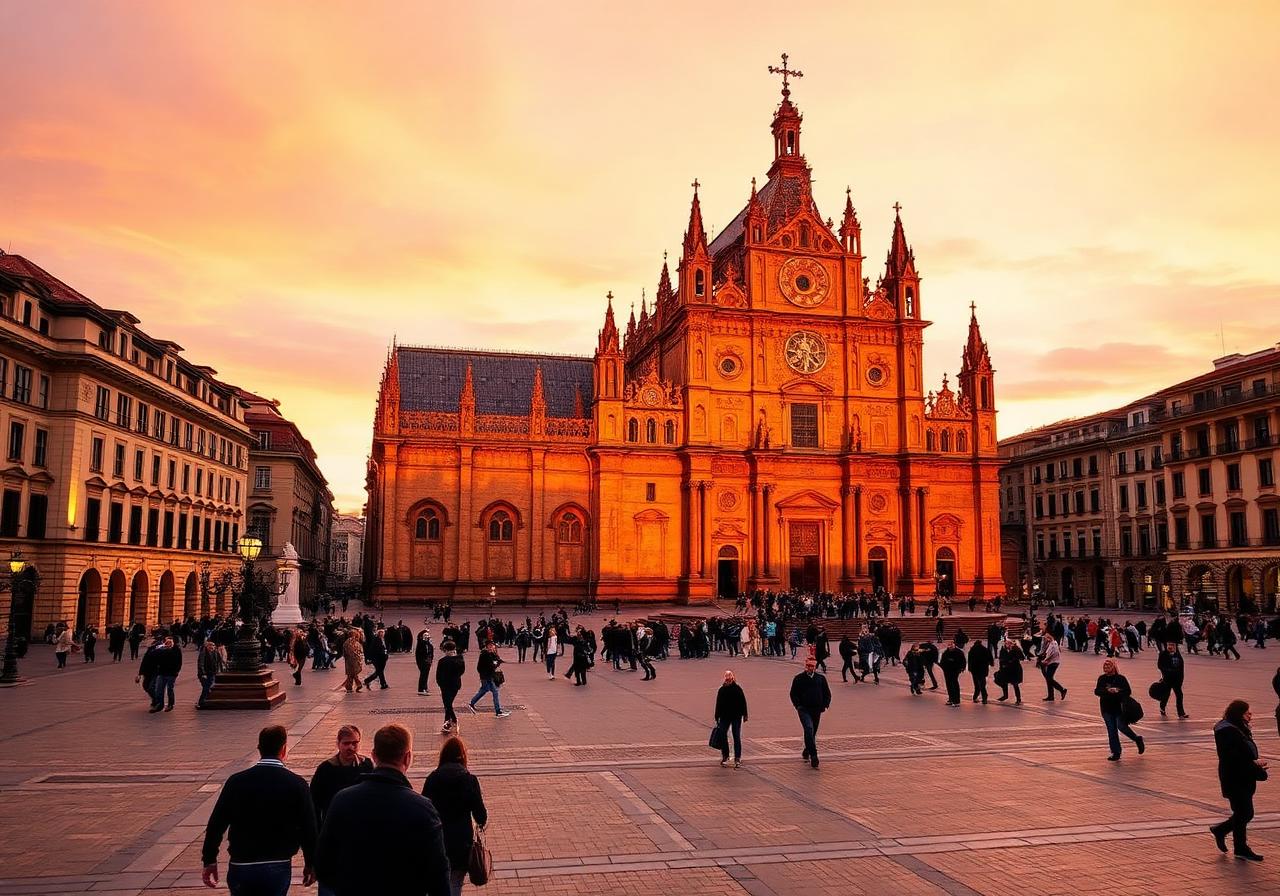
If you walk the Camino de Santiago, one of the first things you learn to look for is the yellow arrow.
Painted on stones, walls, sidewalks, road signs, trees, poles, curbs, and buildings, the yellow arrow quietly guides pilgrims toward Santiago de Compostela. It is simple, practical, and deeply comforting. When you are tired, lost, soaked by rain, or unsure of the next turn, seeing a yellow arrow can feel like a small act of kindness. It tells you: keep going. You are still on The Way.
The yellow arrows are now one of the most recognizable symbols of the Camino. But unlike the scallop shell, which has medieval roots, the yellow arrow is a modern symbol connected to the revival of the Camino in the 20th century. Its story is one of dedication, community, and the effort to bring an ancient pilgrimage back to life.
What do the yellow arrows mean? The yellow arrows mark the route of the Camino de Santiago. Their main purpose is simple: they show pilgrims which direction to walk. You may see them painted directly onto surfaces or included on official waymarkers. Sometimes they appear beside a scallop shell symbol. Sometimes they stand alone. For modern pilgrims, the yellow arrow is a sign of reassurance. It means you are on the Camino, you are going in the right direction, keep walking, Santiago is ahead. The meaning may be practical, but it often becomes emotional. After days or weeks on the Camino, pilgrims begin to feel attached to the arrows. They become part of the rhythm of the journey.
Where do you see yellow arrows on the Camino? Yellow arrows appear almost everywhere along the Camino. You might find them on stone walls, road signs, sidewalks, trees, fence posts, curbs, buildings, rural paths, city streets, bridges, waymarker posts, and utility poles. Part of their charm is that they are not always polished or official-looking. Some are carefully painted. Others are rough, faded, crooked, or barely visible. That human quality is part of what makes them beloved. They feel like they were placed by someone who cared about the pilgrim behind them.
Are yellow arrows official Camino signs? Some yellow arrows are part of official route marking systems, while others were painted by volunteers, associations, local communities, or Camino supporters. Today, many Camino routes are well marked with official signage, including stone markers, shell symbols, distance posts, and municipal signs. But the yellow arrow remains one of the most common and trusted markers. In many places, it works alongside formal signage. The Camino is marked through a mix of official infrastructure and grassroots tradition. That blend reflects the Camino itself: organized enough to follow, but still deeply human.
Who started the yellow arrows? The modern yellow arrows are strongly associated with Father Elías Valiña, a priest from O Cebreiro in Galicia. In the late 20th century, Father Valiña played a major role in restoring and promoting the Camino Francés. At a time when the route was far less popular than it is today, he worked to identify, document, and mark the path for pilgrims. He famously used yellow paint to mark arrows along the route. His work helped make the Camino easier to follow and contributed to the modern revival of the pilgrimage. Today, Father Valiña is remembered as one of the key figures in bringing the Camino back to life.
Why yellow? There are different stories and explanations about why the arrows are yellow. One common explanation is that Father Elías Valiña used leftover yellow road paint, which was practical, visible, and durable. Yellow stood out clearly against stone, asphalt, wood, and walls. Whether chosen by convenience or design, the color worked perfectly. Yellow is easy to see in many landscapes. It catches the eye without needing words. It is bright, warm, and hopeful. Over time, yellow became inseparable from the Camino. Today, even a small yellow arrow can stir emotion in a pilgrim who has walked for weeks.
The yellow arrow and the revival of the Camino. The yellow arrow became important during the modern revival of the Camino. By the 19th and early 20th centuries, the Camino was far less traveled than during the medieval period. Some routes were forgotten, poorly marked, or difficult to follow. In the second half of the 20th century, local priests, historians, volunteers, associations, and communities worked to recover the Camino. They identified old routes, restored traditions, reopened pilgrim hostels, and helped bring attention back to the pilgrimage. The yellow arrows were part of that revival. They made the route visible again.
The arrow as a modern Camino symbol. The scallop shell is the traditional symbol of the Camino, but the yellow arrow is perhaps the most practical symbol. The shell tells you that you are connected to the Camino's history. The arrow tells you where to go next. Together, they represent two sides of the pilgrimage: the shell stands for tradition, identity, and destination; the arrow stands for movement, direction, and trust. For many pilgrims, the yellow arrow becomes a symbol of progress. You may not know everything ahead, but you know the next step. That is often enough.
Following the arrows as a pilgrim. Following yellow arrows becomes part of daily life on the Camino. You wake up, pack your bag, leave the albergue, and look for the first arrow. You follow it through quiet streets, forests, farms, hills, industrial outskirts, small villages, and old city centers. Sometimes the arrows are obvious. Sometimes you have to search for them. Sometimes you miss one and have to turn back. This act of looking and trusting becomes part of the Camino experience. You learn to pay attention.
When the arrows are hard to find. Although many Camino routes are well marked, arrows can sometimes be hard to spot. They may be faded, hidden by vegetation, blocked by parked cars, covered by graffiti, or placed in unexpected locations. In cities, it can be easier to miss them because of traffic, signs, and distractions. Bad weather can also make route markers harder to see. This is why many pilgrims also use guidebooks, apps, maps, or GPS tracks, especially on less-traveled routes. Still, the yellow arrow remains the symbol most pilgrims look for first.
The emotional comfort of the yellow arrow. It may sound strange until you walk the Camino, but the yellow arrow can become emotionally powerful. After a difficult morning, seeing one painted on a stone wall can feel like encouragement. After getting lost, finding one can bring relief. After hours alone, an arrow can feel like a quiet message from everyone who helped mark the way before you. The Camino teaches you to appreciate small signs. A yellow arrow can feel like the path saying: you are okay. Keep going.
Yellow arrows and trust. The Camino requires trust. You trust your feet, your body, the weather, strangers, hospitaleros, other pilgrims, and the signs along the road. The yellow arrow becomes part of that trust. Most of the time, you do not know exactly what lies ahead. You may not know where the next café is, how steep the next hill will be, or who you will meet that day. But you follow the arrow. That simple act becomes symbolic. The Camino often gives you only the next step, not the whole answer.
Are yellow arrows on every Camino route? Yellow arrows are common on most major Camino routes, including the Camino Francés, Camino Portugués, Camino del Norte, Camino Primitivo, Camino Inglés, Via de la Plata, and the route to Finisterre and Muxía. However, the quality and frequency of markings can vary. The Camino Francés is usually very well marked. Less-traveled routes may require more attention and planning. In some regions, arrows are supplemented by local signs, scallop shells, distance markers, and official route posts.
The yellow arrow beyond Spain. The yellow arrow is not limited to Spain. Because Camino routes begin across Europe, you may see yellow arrows or Camino-style markers in France, Portugal, and other countries connected to the Way of Saint James. The arrow has become part of a wider Camino language. It does not need translation. Pilgrims from around the world understand it immediately. That simplicity is part of its power.
The yellow arrow in Camino culture. Today, the yellow arrow appears in Camino art, tattoos, logos, souvenirs, books, signs, websites, and social media. For many pilgrims, it represents more than direction. It represents the whole experience of walking The Way. Some people get yellow arrow tattoos after finishing the Camino. Others keep photos of arrows from meaningful days. Many pilgrims remember the first or last arrow they saw. The symbol has entered Camino culture because it captures something essential: movement with purpose.
How to use yellow arrows respectfully. Because the yellow arrow is so important, pilgrims should treat Camino markings with respect. Do not paint your own arrows unless you are part of an authorized local effort. Incorrect or unofficial markings can confuse pilgrims and damage property. Do not vandalize route signs or remove markers. The Camino depends on a shared system of trust. Clear, accurate markings help keep pilgrims safe and connected. Respecting the arrows is part of respecting the Camino.
Why the yellow arrow still matters. The yellow arrow matters because it makes the Camino walkable. It transformed old routes into paths modern pilgrims could follow. It helped revive a pilgrimage that had faded. It continues to guide people across mountains, cities, forests, and fields. But beyond its practical purpose, the arrow has become a symbol of hope. It reminds pilgrims that they do not need to see the whole journey at once. They only need to follow the next sign.
Final thoughts. The yellow arrows on the Camino de Santiago are simple, but their meaning runs deep. They began as a practical way to mark the route and became one of the most beloved symbols of the modern Camino. Thanks in large part to the work of Father Elías Valiña and many others who helped revive the route, the arrows continue to guide pilgrims toward Santiago. For modern walkers, the yellow arrow means direction, reassurance, trust, and forward movement. When you see one, you know what to do. Take the next step. Buen Camino.
Keep exploring
Next stops & related posts
Towns, stages, and stories connected to this article — your jumping-off points to plan the next stretch of the Camino.
Pilgrim guides
Towns to visit
Suggested stages
Camino Francés · Stage 33
O Pedrouzo → Santiago de Compostela
20 km · 240 m · Moderate
Camino Portugués · Stage 11
Padrón → Santiago de Compostela
25 km · 280 m · Moderate
Camino del Norte · Stage 1
Irún → San Sebastián
24 km · 700 m · Challenging
Camino del Norte · Stage 2
San Sebastián → Zarautz
22 km · 580 m · Challenging
Camino del Norte · Stage 3
Zarautz → Deba
22 km · 750 m · Challenging
Camino Primitivo · Stage 14
O Pedrouzo → Santiago de Compostela
20 km · 280 m · Moderate
Related routes
More Camino symbols & history
The marks pilgrims follow today — and the deeper traditions that came before them.
Culture
Why Do Pilgrims Carry a Scallop Shell on the Camino de Santiago?
Discover the meaning of the Camino scallop shell, why pilgrims carry it, and how it became one of the most powerful symbols of the Camino de Santiago.
Culture
The Complete History of the Camino de Santiago
From the legend of Saint James and medieval pilgrimage routes to the modern revival — a thousand-year story behind the Way of Saint James.
Culture
The Medieval Pilgrim Experience on the Camino de Santiago
Discover what life was like for medieval pilgrims walking the Camino de Santiago, from dangerous roads and simple shelters to faith, hardship, and hospitality.
Culture
The History of the Camino Francés
Discover the history of the Camino Francés, the most famous route of the Camino de Santiago, from its medieval origins to its modern revival.
Culture
The Codex Calixtinus: The First Camino Guidebook?
Learn about the Codex Calixtinus, the 12th-century manuscript often called the first Camino guidebook, and its importance in the history of the Camino de Santiago.
Culture
The History of the Camino Inglés
Discover the history of the Camino Inglés, the English Way to Santiago de Compostela, used by medieval pilgrims arriving by sea from England, Ireland, and northern Europe.
Related posts
Culture
Why Did Pilgrims Walk to Finisterre?
Discover why pilgrims walked from Santiago to Finisterre, the "end of the world," and how this Atlantic extension became one of the most meaningful parts of the Camino.
Culture
How the Camino de Santiago Declined and Was Revived
Discover how the Camino de Santiago declined after the Middle Ages and how it was revived into one of the world's most famous pilgrimage routes today.
Culture
The Camino de Santiago in Modern Times
Explore the Camino de Santiago in modern times and how an ancient pilgrimage became a global journey of faith, adventure, healing, culture, and self-discovery.
More posts like this
Articles that share keywords, routes, or towns with this one.
Culture
Why Did Pilgrims Walk to Finisterre?
- 5 shared routes
- 1 shared town
Culture
How the Camino de Santiago Declined and Was Revived
- 5 shared routes
- 1 shared town
Culture
The Camino de Santiago in Modern Times
- 5 shared routes
- 1 shared town
Culture
Why the Camino de Santiago Still Matters Today
- 5 shared routes
- 1 shared town
Read next
Culture
Why Did Pilgrims Walk to Finisterre?
Discover why pilgrims walked from Santiago to Finisterre, the "end of the world," and how this Atlantic extension became one of the most meaningful parts of the Camino.
11 min read
Culture
How the Camino de Santiago Declined and Was Revived
Discover how the Camino de Santiago declined after the Middle Ages and how it was revived into one of the world's most famous pilgrimage routes today.
13 min read
Culture
The Camino de Santiago in Modern Times
Explore the Camino de Santiago in modern times and how an ancient pilgrimage became a global journey of faith, adventure, healing, culture, and self-discovery.
13 min read
Culture
Why the Camino de Santiago Still Matters Today
Discover why the Camino de Santiago still matters today and why this ancient pilgrimage continues to attract modern walkers seeking meaning, healing, adventure, and connection.
13 min read
Culture
Who Was Saint James and Why Is He Connected to Santiago?
Learn who Saint James was, why he is connected to Santiago de Compostela, and how his legend became the foundation of the Camino de Santiago pilgrimage.
12 min read
Culture
The Cathedral of Santiago de Compostela: History and Meaning
Discover the history and meaning of the Cathedral of Santiago de Compostela, the spiritual heart of the Camino and the traditional resting place of Saint James.
13 min read