
Culture
The Camino de Santiago in Modern Times
Explore the Camino de Santiago in modern times and how an ancient pilgrimage became a global journey of faith, adventure, healing, culture, and self-discovery.
April 29, 2026 · 13 min read
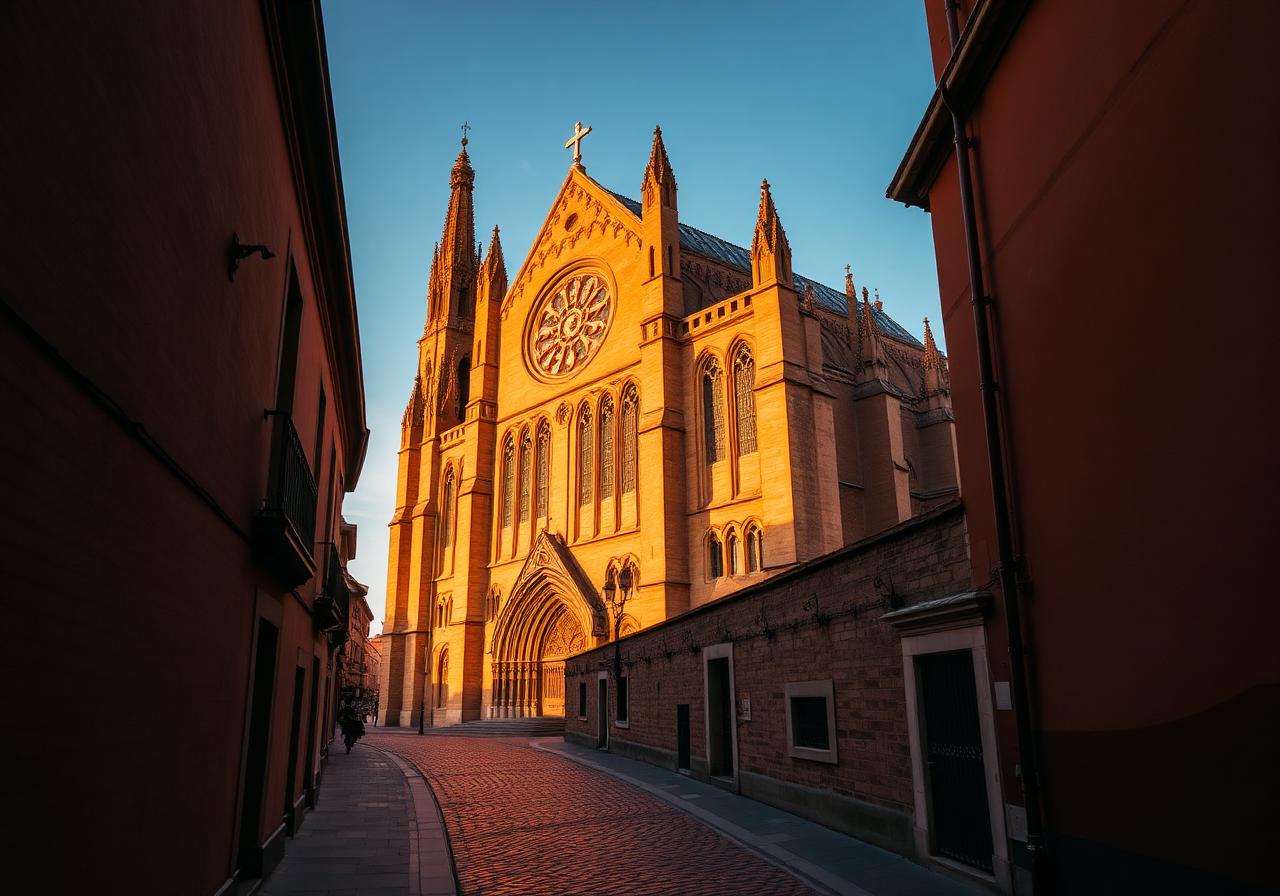
The Camino de Santiago is ancient, but it has never felt more alive. Every year, people from around the world walk toward Santiago de Compostela. Some come for faith. Others come for adventure, grief, healing, transition, culture, fitness, or the need to step away from ordinary life. They carry lightweight backpacks, follow GPS apps, book albergues online, post photos on Instagram, and still walk roads shaped by more than a thousand years of pilgrimage.
This is the modern Camino: old and new at the same time. It is no longer only a medieval Catholic pilgrimage. It has become a global walking journey that welcomes people of many religions, backgrounds, ages, languages, and motivations. Yet even with modern gear, smartphones, luggage transfers, and social media, the Camino still offers something timeless. It asks people to slow down, carry less, walk farther than they thought they could, meet strangers, and listen to what rises in the silence.
What is the modern Camino? The modern Camino de Santiago is a network of walking, cycling, and pilgrimage routes leading to Santiago de Compostela in Galicia, Spain. The destination remains the Cathedral of Santiago, traditionally believed to house the tomb of Saint James the Apostle. But the meaning of the journey has expanded. Today's pilgrims may walk for religious, spiritual, cultural, emotional, athletic, or personal reasons. Many do not consider themselves religious at all. Others walk with deep faith. This diversity is one of the defining features of the Camino today. The same path can hold many meanings.
How the Camino changed after its revival. The Camino experienced a major revival in the late 20th century. After centuries of decline, routes were marked again, albergues opened, guidebooks were published, Camino associations formed, and international awareness grew. The yellow arrows helped make the path visible and walkable. Recognition from institutions such as the Council of Europe and UNESCO also helped bring attention to the Camino as a cultural and historical route. As infrastructure improved, more pilgrims came. As more pilgrims came, services expanded. The Camino became accessible to a new generation.
Who walks the Camino today? Modern pilgrims come from almost everywhere. You may meet walkers from Spain, Portugal, France, Germany, Italy, Canada, the United States, Brazil, Korea, Japan, Australia, Ireland, the Netherlands, South Africa, and many other countries. Some are young backpackers. Some are retirees. Some are students, couples, solo travelers, families, veterans, priests, artists, office workers, nurses, tradespeople, teachers, and people between life chapters. The Camino has become one of the world's most international walking experiences. What unites pilgrims is not where they come from, but the fact that they are walking.
Why people walk the Camino today. People walk the modern Camino for many reasons. Some walk for religious devotion. Others walk after loss, burnout, divorce, illness, career change, or personal crisis. Some walk to celebrate retirement, graduation, recovery, or a major life decision. Many come simply because they want an adventure. The Camino is attractive because it does not require elite athletic ability or expensive equipment. It is difficult, but possible. It is structured, but still unpredictable. It offers solitude, but also community. For many people, that combination is exactly what they need.
The Camino as a spiritual journey. Even for people who are not religious, the Camino often becomes spiritual. Walking day after day creates space for reflection. Without the constant noise of normal life, thoughts become clearer. Emotions rise. Conversations deepen. Small moments become meaningful. The rhythm of the Camino can feel meditative. Wake up. Walk. Eat. Rest. Talk. Sleep. Repeat. In that simplicity, many pilgrims discover something they did not expect. The Camino gives people time to meet themselves.
The Camino as a healing journey. Many modern pilgrims walk during or after difficult periods in life. Grief, heartbreak, addiction recovery, burnout, trauma, illness, and major transitions often bring people to the Camino. The road does not magically fix everything, but it creates space to process. Walking gives pain somewhere to go. The body moves, and the mind slowly follows. Long conversations with strangers can become unexpectedly therapeutic. Silence can be healing. Physical challenge can rebuild confidence. For many pilgrims, the Camino becomes part of a healing process.
The Camino as adventure travel. The modern Camino is also a major adventure travel experience. Pilgrims walk across mountains, forests, vineyards, farmland, coastal paths, medieval towns, and historic cities. They carry backpacks, stay in shared accommodation, meet people from around the world, and live simply for days or weeks. Unlike many travel experiences, the Camino is not centered on consumption. The main activity is walking. This makes it attractive to people who want meaningful travel rather than just sightseeing. The Camino is an adventure, but one with depth.
The role of technology. Technology has changed the Camino. Modern pilgrims use apps, GPS routes, online forums, booking platforms, digital maps, translation tools, weather forecasts, WhatsApp groups, and social media. These tools can make the Camino easier and safer. Pilgrims can find accommodation, check distances, stay connected, and avoid getting lost. But technology also changes the experience. Some pilgrims find that constant phone use pulls them away from the simplicity of the journey. Others use technology lightly and still remain present. The challenge is to use tools without letting them take over the Camino.
Social media and the Camino. Instagram, YouTube, TikTok, blogs, and podcasts have introduced the Camino to millions of people. Beautiful photos, emotional stories, route tips, packing videos, and daily pilgrim updates inspire others to walk. Social media has helped grow the Camino's popularity, but it can also create unrealistic expectations. The Camino is not always golden sunrises and perfect village streets. It is also blisters, rain, snoring, laundry, fatigue, loneliness, and uncomfortable beds. The real Camino is better than the polished version because it is honest. Pilgrims should come for the full experience, not just the photos.
Modern Camino routes. The Camino Francés remains the most famous and popular route, but many modern pilgrims choose other paths. Popular routes include the Camino Francés, Camino Portugués, Camino del Norte, Camino Primitivo, Camino Inglés, Via de la Plata, and Camino Finisterre and Muxía. Each route has its own character. Some are social and well-serviced. Others are quieter, more remote, more coastal, or more physically demanding. The variety of routes is one reason the Camino continues to grow. Pilgrims can choose the path that fits their time, ability, and intention.
The rise of shorter Caminos. Many modern pilgrims do not have time to walk for five or six weeks. Because of this, shorter Caminos have become popular. Some walk the final 100 kilometers from Sarria, Tui, Ferrol, or other starting points to qualify for the Compostela certificate. This has made the Camino more accessible to people with limited vacation time. However, it has also created crowding on certain sections, especially the final stretch from Sarria to Santiago. Shorter Caminos are valid, but they create a different experience than longer routes.
The Compostela certificate today. Many modern pilgrims still receive the Compostela certificate in Santiago. To qualify, walkers usually need to complete at least the final 100 kilometers on foot, while cyclists usually need at least 200 kilometers. Pilgrims collect stamps in a credential, or pilgrim passport, along the way. For religious pilgrims, the Compostela can hold spiritual meaning. For others, it is a symbol of completion and effort. The certificate connects modern pilgrims to the long tradition of documenting pilgrimage.
Modern albergues and pilgrim accommodation. Accommodation is one of the biggest differences between the medieval and modern Camino. Today, pilgrims can stay in municipal albergues, private hostels, guesthouses, hotels, pensions, monasteries, and rural lodgings. Albergues are central to the Camino experience. They are affordable, social, and often simple. Pilgrims share rooms, kitchens, laundry lines, stories, and sometimes very little sleep. The shared accommodation keeps the Camino communal. It reminds pilgrims that the journey is not only private.
Food on the modern Camino. Food is a major part of the modern Camino experience. Pilgrims eat tortilla española, bocadillos, pulpo, caldo gallego, pimientos de Padrón, empanada gallega, seafood, local cheeses, wine, and pilgrim menus. Food becomes fuel, culture, and community. A simple meal after a long walking day can feel unforgettable. Shared tables often lead to the best conversations of the journey. The Camino teaches that food does not need to be fancy to be meaningful.
The modern Camino economy. The revival of the Camino has transformed many towns and villages. Pilgrims support cafés, restaurants, albergues, hotels, pharmacies, outdoor shops, luggage transfer companies, tour operators, and local guides. This has brought economic opportunity to rural areas, especially in places that might otherwise struggle with population decline. But it also brings challenges. Some communities face overcrowding, commercialization, rising costs, and pressure on local infrastructure. The modern Camino must balance growth with respect for local life.
Crowding and commercialization. The popularity of the Camino is both a blessing and a challenge. Busy sections can feel crowded, especially during peak months and on the final 100 kilometers of the Camino Francés. Some pilgrims worry that commercialization weakens the spirit of the Camino. Souvenir shops, packaged tours, luggage services, and crowded albergues can change the atmosphere. But the Camino has always adapted. The key is not to reject modern services completely, but to protect the values that make the Camino special: humility, simplicity, respect, hospitality, and openness.
Sustainability on the Camino. Sustainability is increasingly important on the modern Camino. Pilgrims can reduce their impact by carrying reusable bottles, avoiding litter, respecting local communities, staying on marked paths, supporting small businesses, conserving water, and choosing responsible services. The Camino passes through living landscapes, not theme parks. Protecting the route means protecting the towns, nature, culture, and people that make it possible. A sustainable Camino is one future pilgrims can still walk.
The Camino after COVID-19. The COVID-19 pandemic deeply affected the Camino. Travel restrictions, health concerns, closed albergues, and uncertainty reduced pilgrim numbers for a time. The pandemic also reminded people how fragile travel and community can be. As the Camino reopened, many pilgrims returned with renewed appreciation for movement, connection, and freedom. For some, the Camino became even more meaningful after a period of isolation. It offered a way back into the world.
Why the Camino still feels ancient. Despite modern changes, the Camino still feels ancient because the basic act has not changed. You wake up and walk. You follow signs. You carry what you need. You meet people. You get tired. You rest. You continue. The tools are modern, but the rhythm is old. A pilgrim with a smartphone and trail runners is still participating in a human tradition that reaches back centuries. That continuity is one of the Camino's greatest powers.
The future of the Camino. The future of the Camino will depend on how well it balances popularity and preservation. More people will likely continue to walk. New routes may grow. Technology will keep changing the experience. Communities will adapt. Pilgrims will bring new expectations and motivations. But the heart of the Camino can remain strong if its core values are protected. The future Camino should be welcoming, sustainable, respectful, historically aware, and rooted in hospitality. It should remain a path, not just a product.
Final thoughts. The Camino de Santiago in modern times is a remarkable blend of ancient pilgrimage and contemporary travel. It is walked by people of many faiths, cultures, ages, and backgrounds. Some seek God. Some seek healing. Some seek adventure. Some do not know what they are seeking until they are already on the road. Modern technology, tourism, and global attention have changed the Camino, but they have not erased its deeper meaning. The Camino still asks the same simple question it has asked for centuries: What happens when you leave behind the noise, carry only what you need, and walk toward something? For many pilgrims, the answer is life-changing. Buen Camino.
Keep exploring
Next stops & related posts
Towns, stages, and stories connected to this article — your jumping-off points to plan the next stretch of the Camino.
Pilgrim guides
- Roncesvalles monastery & albergue
- Samos monastery lodging
- Foncebadón mountain albergues
- O Cebreiro pilgrim shelters
- All lodging articles
- Camino Primitivo (mountain terrain)
- Camino del Norte (coastal weather)
- Foncebadón (high pass)
- O Cebreiro (Galician mountains)
- Compare all routes
- Camino Francés overview
- Camino Inglés (shorter option)
- All planning articles
- Santiago de Compostela cathedral
- León cathedral city
- Burgos cathedral city
- Samos monastery
- Roncesvalles monastery
- O Cebreiro pre-Romanesque church
- All history articles
Towns to visit
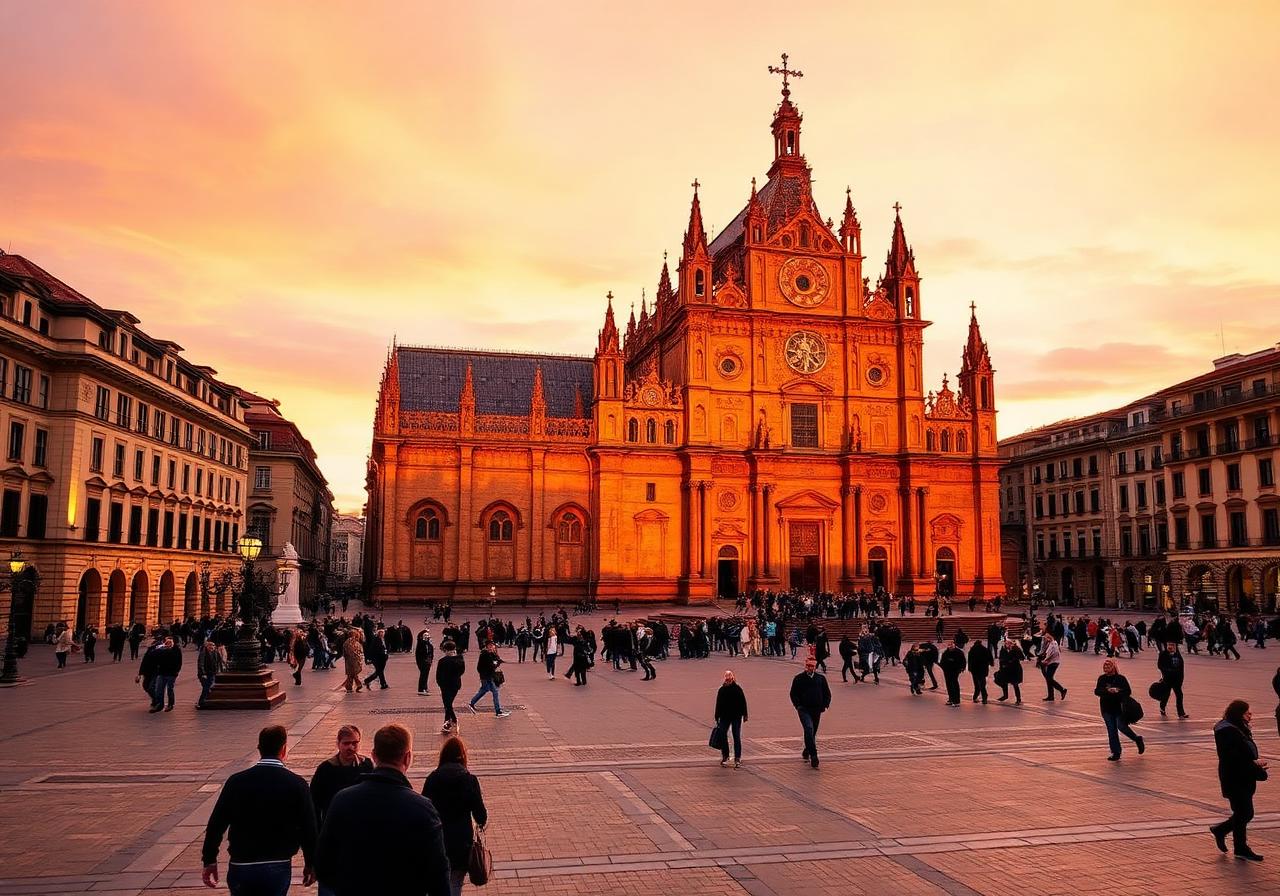
Galicia
Santiago de Compostela
The journey's end — and for many pilgrims, a new beginning.
Lugo, Galicia
Sarria
Where the busiest 100-km final push begins — and a charming medieval upper town.
Pontevedra, Galicia
Tui
The Spanish gateway across the Miño from Valença, crowned by a fortress cathedral.
A Coruña, Galicia
Padrón
Where, by tradition, Saint James's body came ashore — and where his peppers grow.
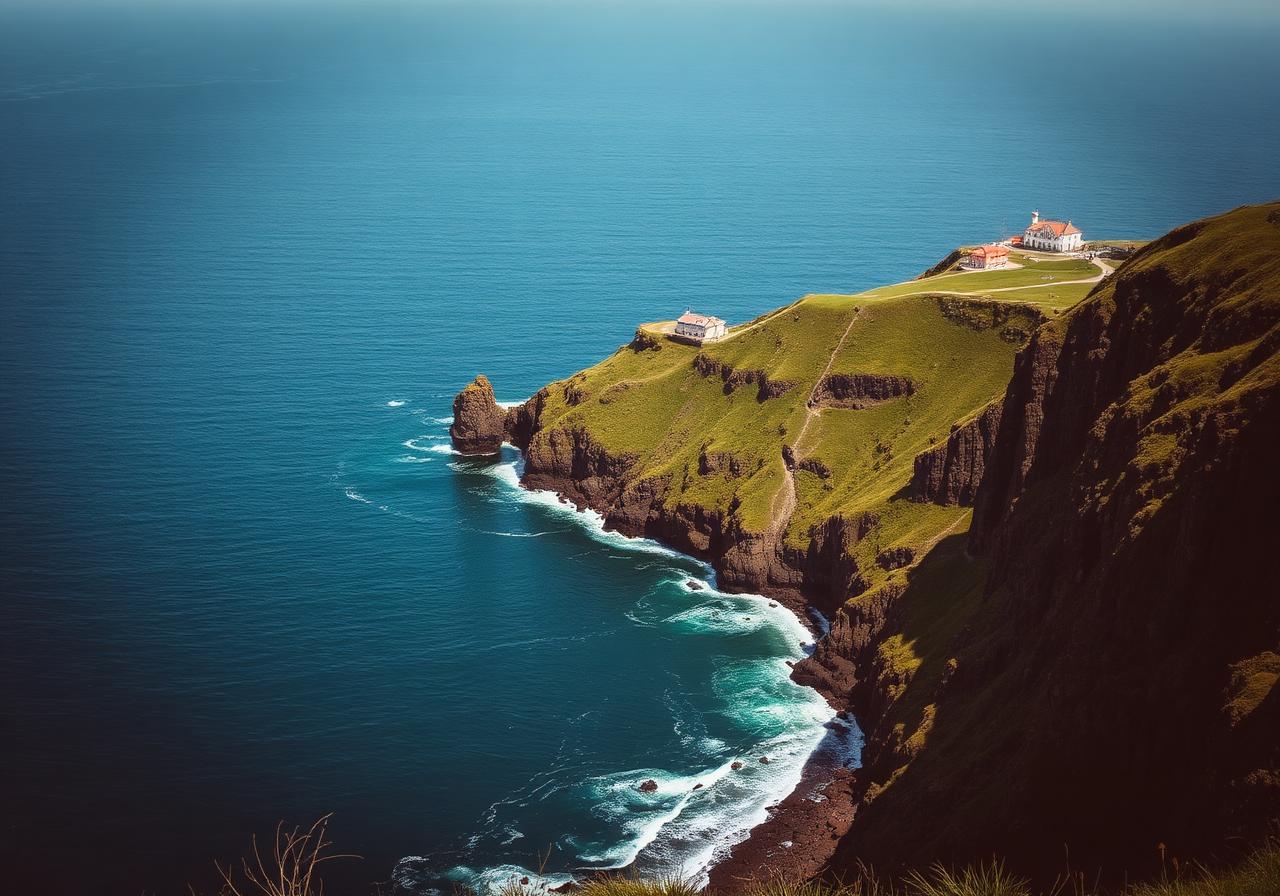
Galicia
Ferrol
The naval port where most modern Camino Inglés pilgrims begin — a deep Atlantic ría on Galicia's north coast.
Suggested stages
Camino Francés · Stage 33
O Pedrouzo → Santiago de Compostela
20 km · 240 m · Moderate
Camino Portugués · Stage 11
Padrón → Santiago de Compostela
25 km · 280 m · Moderate
Camino del Norte · Stage 1
Irún → San Sebastián
24 km · 700 m · Challenging
Camino del Norte · Stage 2
San Sebastián → Zarautz
22 km · 580 m · Challenging
Camino del Norte · Stage 3
Zarautz → Deba
22 km · 750 m · Challenging
Camino Primitivo · Stage 14
O Pedrouzo → Santiago de Compostela
20 km · 280 m · Moderate
Related routes
Related posts
Culture
Camino yellow arrows meaning
Discover the meaning of the yellow arrows on the Camino de Santiago, where they came from, and why they have become one of the most beloved symbols of The Way.
Culture
Why Did Pilgrims Walk to Finisterre?
Discover why pilgrims walked from Santiago to Finisterre, the "end of the world," and how this Atlantic extension became one of the most meaningful parts of the Camino.
Culture
How the Camino de Santiago Declined and Was Revived
Discover how the Camino de Santiago declined after the Middle Ages and how it was revived into one of the world's most famous pilgrimage routes today.
More posts like this
Articles that share keywords, routes, or towns with this one.
Culture
The Meaning of the Yellow Arrows on the Camino de Santiago
- 5 shared routes
- 1 shared town
Culture
Why Did Pilgrims Walk to Finisterre?
- 5 shared routes
- 1 shared town
Culture
How the Camino de Santiago Declined and Was Revived
- 5 shared routes
- 1 shared town
Culture
Why the Camino de Santiago Still Matters Today
- 5 shared routes
- 1 shared town
Read next
Culture
The Meaning of the Yellow Arrows on the Camino de Santiago
Discover the meaning of the yellow arrows on the Camino de Santiago, where they came from, and why they have become one of the most beloved symbols of The Way.
9 min read
Culture
Why Did Pilgrims Walk to Finisterre?
Discover why pilgrims walked from Santiago to Finisterre, the "end of the world," and how this Atlantic extension became one of the most meaningful parts of the Camino.
11 min read
Culture
How the Camino de Santiago Declined and Was Revived
Discover how the Camino de Santiago declined after the Middle Ages and how it was revived into one of the world's most famous pilgrimage routes today.
13 min read
Culture
Why the Camino de Santiago Still Matters Today
Discover why the Camino de Santiago still matters today and why this ancient pilgrimage continues to attract modern walkers seeking meaning, healing, adventure, and connection.
13 min read
Culture
Who Was Saint James and Why Is He Connected to Santiago?
Learn who Saint James was, why he is connected to Santiago de Compostela, and how his legend became the foundation of the Camino de Santiago pilgrimage.
12 min read
Culture
The Cathedral of Santiago de Compostela: History and Meaning
Discover the history and meaning of the Cathedral of Santiago de Compostela, the spiritual heart of the Camino and the traditional resting place of Saint James.
13 min read