
Culture
Why Did Pilgrims Walk to Finisterre?
Discover why pilgrims walked from Santiago to Finisterre, the "end of the world," and how this Atlantic extension became one of the most meaningful parts of the Camino.
April 29, 2026 · 11 min read
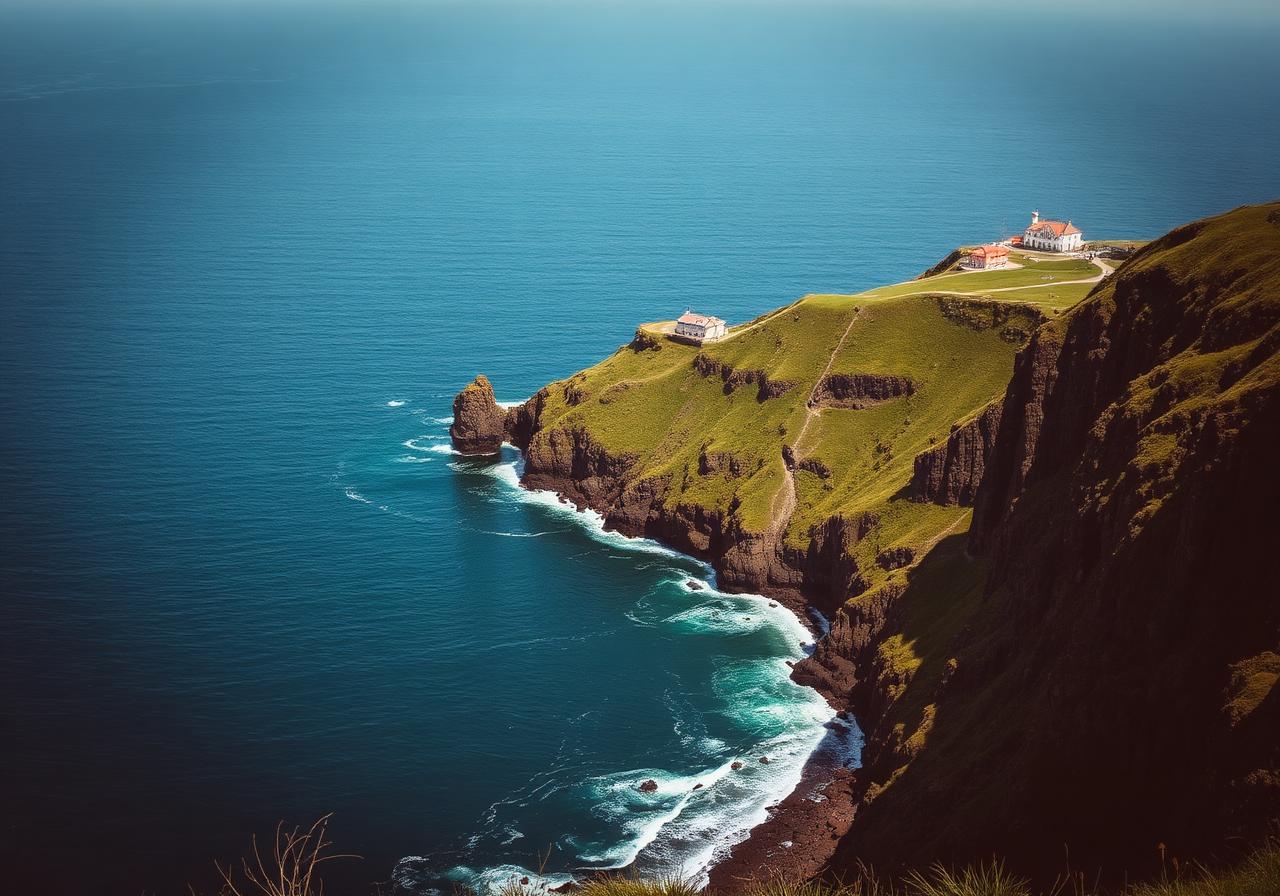
For many pilgrims, the Camino de Santiago ends at the Cathedral of Santiago de Compostela. After days or weeks of walking, reaching the city feels like completion. But for others, Santiago is not the end. They keep walking west.
The Camino Finisterre leads from Santiago de Compostela to the Atlantic coast, ending at Finisterre, a name often associated with the Latin phrase finis terrae, meaning 'end of the earth.' For centuries, this dramatic coastline has carried deep symbolic meaning. It is a place of ocean, horizon, wind, endings, renewal, and reflection. But why did pilgrims walk to Finisterre after already reaching Santiago? The answer blends pre-Christian traditions, medieval pilgrimage, coastal symbolism, personal ritual, and the powerful human desire to keep walking until the land runs out.
What is Finisterre? Finisterre, or Fisterra in Galician, is a town on the Atlantic coast of Galicia in northwestern Spain. It lies west of Santiago de Compostela and is one of the most famous extensions of the Camino. Many pilgrims walk from Santiago to Finisterre after completing another Camino route. The route from Santiago to Finisterre is roughly 90 kilometers, depending on the path and stages chosen. Some pilgrims continue onward to Muxía, another meaningful coastal destination. Finisterre is famous for its cape, lighthouse, ocean views, fishing heritage, and symbolic association with the edge of the known world.
The 'end of the world.' The name Finisterre is often connected to the idea of the 'end of the world.' In ancient and medieval imagination, the far western coast of Europe represented a boundary. Beyond it lay the Atlantic Ocean, mystery, danger, sunset, and the unknown. Although Finisterre is not actually the westernmost point of mainland Europe, its dramatic setting made it feel like an ending. For pilgrims walking from the interior of Spain, reaching the Atlantic after hundreds of kilometers on foot can feel profound. After all the roads, villages, mountains, plains, and cities, there is nowhere left to walk but into the sea.
Did pilgrims historically continue to Finisterre? There is evidence that some pilgrims continued beyond Santiago toward the coast, though the exact history is complex. Santiago was the official religious destination because of the tomb of Saint James. Finisterre was not the central Church pilgrimage destination in the same way. However, the Galician coast had long-standing symbolic and spiritual significance. Some pilgrims may have continued there to collect a scallop shell, complete a personal ritual, or experience the ocean after reaching Santiago. Over time, the journey from Santiago to Finisterre became a meaningful extension of the Camino. Today, it is one of the most beloved post-Santiago routes.
Pre-Christian roots and coastal symbolism. Finisterre's meaning may reach back before Christianity. Ancient peoples often viewed dramatic natural places — mountains, springs, caves, forests, and coastlines — as spiritually powerful. A western cape where the sun appeared to sink into the ocean could easily carry symbolic meaning. The setting sun has long been associated with endings, death, transformation, and renewal. While we should be careful not to overstate what can be proven, it is clear that the landscape itself invites reflection. Finisterre feels like a threshold. That may be why it continues to attract pilgrims even outside formal religious tradition.
The link between Finisterre and the scallop shell. The scallop shell, the most famous symbol of the Camino, is strongly connected to the Galician coast. One practical theory is that medieval pilgrims collected shells near the Atlantic after completing their journey. These shells could serve as proof that they had reached the end of the pilgrimage route or the western coast. Because Finisterre and nearby coastal areas are associated with shells, the extension to the sea may have helped strengthen the shell's role as a Camino symbol. For modern pilgrims, finding or carrying a shell connects the road to the ocean and Santiago to the coast.
Why continue after reaching Santiago? Many pilgrims continue to Finisterre because arriving in Santiago does not always feel like the emotional end. After weeks of walking, stopping suddenly can feel strange. The body is used to movement. The mind is still processing the journey. The friendships, routines, and rhythm of the Camino do not disappear the moment you reach the cathedral. Walking to Finisterre gives pilgrims time to transition. It creates a quieter ending after the intensity of Santiago. The route to the coast becomes a final chapter.
The psychological meaning of walking to the sea. There is something powerful about ending a journey at the ocean. The sea creates space. It absorbs thought. It gives the pilgrim a horizon. For many, Finisterre represents release. You have carried your pack, your pain, your memories, your questions, and perhaps your grief across the Camino. At the coast, you can set something down. Some pilgrims watch the sunset. Others sit in silence. Some cry, laugh, swim, pray, write, or simply stare out at the water. The Atlantic becomes a mirror for whatever the journey has uncovered.
Burning clothes and modern rituals. A modern tradition developed in which some pilgrims burned old clothes, boots, or items at Finisterre to symbolize leaving behind the past. This ritual is often described as a symbolic act of renewal. However, it is now discouraged or prohibited in many places because of fire risk and environmental damage. The deeper meaning remains understandable: pilgrims want a physical way to mark the end of an inner journey. Today, more respectful alternatives include watching the sunset, journaling, leaving no trace, taking a quiet swim, or simply sitting with the moment. The Camino does not need a dramatic ritual to be meaningful.
The Finisterre lighthouse. The lighthouse at Cape Finisterre is one of the most iconic sights on the route. For pilgrims, walking to the lighthouse can feel like the final step. The road ends, the land narrows, and the Atlantic opens ahead. Lighthouses themselves carry symbolic meaning. They guide travelers, warn of danger, and mark the meeting point between land and sea. At Finisterre, the lighthouse becomes a natural final marker of the Camino extension. It says: this is as far as the land goes.
Finisterre and Muxía. Many pilgrims choose to walk not only to Finisterre but also to Muxía. Muxía is another coastal town with strong spiritual and cultural significance. It is associated with the Sanctuary of A Virxe da Barca and dramatic rocks beside the sea. Some pilgrims walk Santiago to Finisterre, then Finisterre to Muxía. Others walk Santiago to Muxía first, then continue to Finisterre. Together, Finisterre and Muxía form a powerful Atlantic ending to the Camino. Both places offer a sense of wildness, beauty, and closure.
The route from Santiago to Finisterre. The Camino Finisterre is different from most Camino routes because it begins in Santiago. Instead of walking toward the cathedral, pilgrims walk away from it. This changes the emotional tone of the journey. The goal is no longer arrival at a sacred city, but movement toward the ocean. The route passes through Galician countryside, forests, villages, hills, and coastal landscapes before reaching Finisterre. Compared with the final stretch into Santiago, it can feel quieter and more reflective.
Is Finisterre an official Camino? The Camino Finisterre is widely recognized as a Camino route, but it is different from the routes that end in Santiago. Because the traditional Camino destination is the tomb of Saint James, the Finisterre route functions more as an extension than a primary pilgrimage route to Santiago. Pilgrims can receive a certificate called the Fisterrana for walking to Finisterre, and a Muxiana for walking to Muxía. These certificates are separate from the Compostela. For many pilgrims, the symbolic value matters more than the document.
Finisterre as a place of closure. One of the main reasons pilgrims walk to Finisterre is closure. Santiago can be crowded and emotional. After weeks of walking, arriving in a busy city can feel overwhelming. Finisterre offers space to breathe. The ocean gives the journey a natural ending. For some pilgrims, the true emotional finish happens not in front of the cathedral, but at the Atlantic. That does not make Santiago less important. It simply shows that completion can unfold in stages.
Finisterre and personal transformation. The Camino often changes people quietly. You may not fully understand the change when you arrive in Santiago. You may still be tired, overstimulated, or unsure what the journey meant. Walking to Finisterre gives time for reflection. Each additional day helps the experience settle. The body keeps walking while the mind catches up. By the time pilgrims reach the coast, many feel more ready to let the journey end.
The modern popularity of Finisterre. The Camino Finisterre has grown in popularity as more pilgrims seek a meaningful extension after Santiago. It is short enough to fit into a few extra days but long enough to feel like a real continuation. It offers beautiful Galician landscapes and a powerful ending at the sea. Social media, guidebooks, and pilgrim stories have also helped increase interest. Many people who walk it describe it as one of the most emotional parts of their Camino.
Why Finisterre fits the spirit of the Camino. Finisterre fits the Camino because pilgrimage is not only about reaching a destination. It is about movement, transformation, hardship, companionship, uncertainty, and meaning. The walk to Finisterre continues all of that. It gives pilgrims a final road, a final horizon, and a final chance to ask what the journey has become. The Camino teaches that endings are rarely simple. Finisterre honors that.
Final thoughts. Pilgrims walk to Finisterre because the Camino does not always feel finished in Santiago. Finisterre offers a symbolic ending at the Atlantic — the 'end of the world,' the edge of land, the place where road becomes ocean. Its history connects to coastal traditions, scallop shells, ancient symbolism, and the modern desire for reflection and closure. For some pilgrims, Santiago is the destination. For others, Finisterre is where the journey finally lands. Standing at the edge of the Atlantic, watching the sun fall into the sea, many pilgrims understand something that is hard to explain: the Camino ends, but what it gives you keeps going. Buen Camino.
Keep exploring
Next stops & related posts
Towns, stages, and stories connected to this article — your jumping-off points to plan the next stretch of the Camino.
Pilgrim guides
- All Camino routes
- Camino Francés stages
- Camino Portugués stages
- Camino del Norte stages
- Camino Primitivo (mountain terrain)
- Camino del Norte (coastal weather)
- Foncebadón (high pass)
- O Cebreiro (Galician mountains)
- Santiago de Compostela cathedral
- León cathedral city
- Burgos cathedral city
- Samos monastery
- Roncesvalles monastery
- O Cebreiro pre-Romanesque church
- All history articles
Towns to visit
Suggested stages
Camino Francés · Stage 33
O Pedrouzo → Santiago de Compostela
20 km · 240 m · Moderate
Camino Portugués · Stage 11
Padrón → Santiago de Compostela
25 km · 280 m · Moderate
Camino del Norte · Stage 1
Irún → San Sebastián
24 km · 700 m · Challenging
Camino del Norte · Stage 2
San Sebastián → Zarautz
22 km · 580 m · Challenging
Camino del Norte · Stage 3
Zarautz → Deba
22 km · 750 m · Challenging
Camino Primitivo · Stage 14
O Pedrouzo → Santiago de Compostela
20 km · 280 m · Moderate
Related routes
Camino history & extensions
Keep reading about how the Camino was walked across the centuries, and the routes that carry pilgrims beyond Santiago to the Atlantic.
Culture
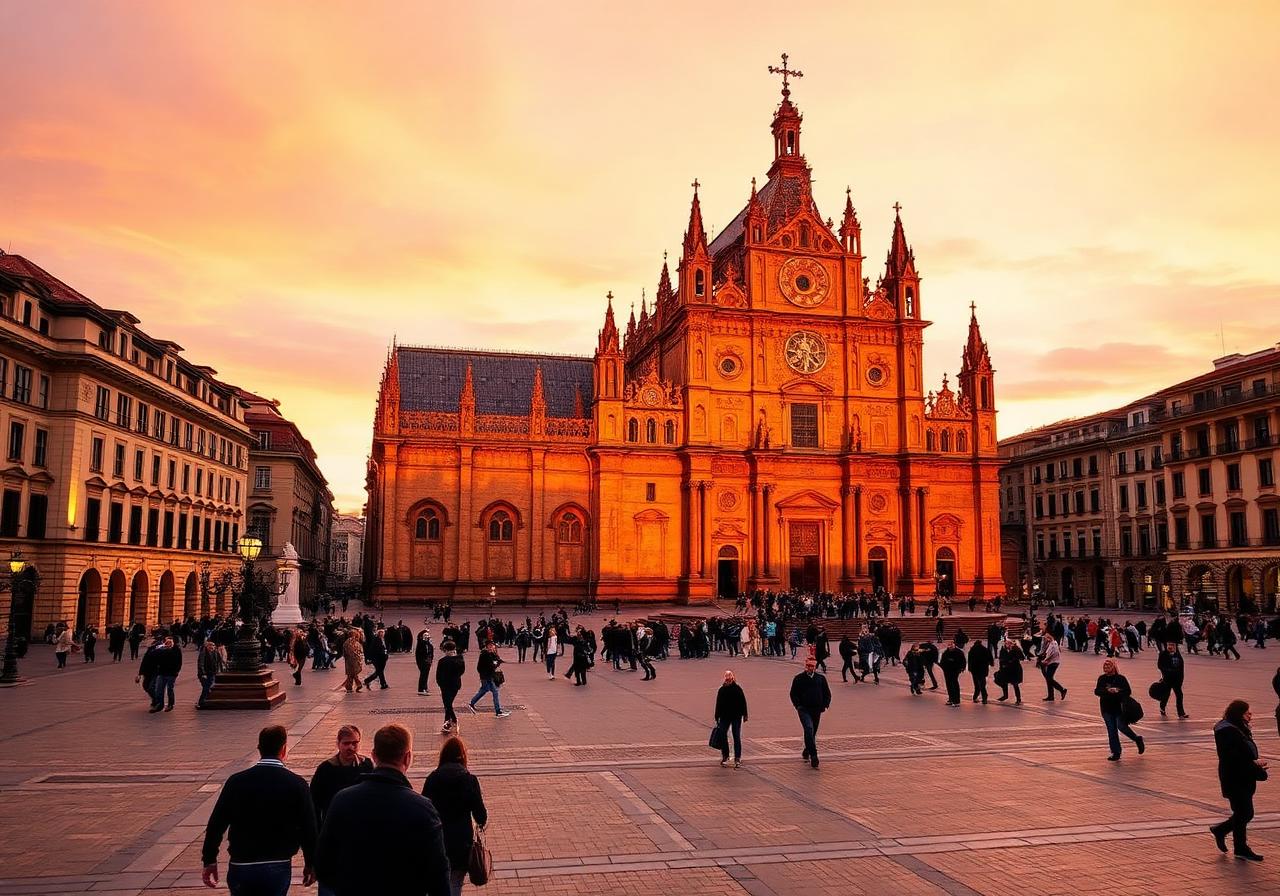
The Complete History of the Camino de Santiago
From the legend of Saint James and medieval pilgrimage routes to the modern revival — a thousand-year story behind the Way of Saint James.
Culture
The Medieval Pilgrim Experience on the Camino de Santiago
Discover what life was like for medieval pilgrims walking the Camino de Santiago, from dangerous roads and simple shelters to faith, hardship, and hospitality.
Culture
Why Do Pilgrims Carry a Scallop Shell on the Camino de Santiago?
Discover the meaning of the Camino scallop shell, why pilgrims carry it, and how it became one of the most powerful symbols of the Camino de Santiago.
Spirituality
The Best Day of My Life: Reaching Finisterre
Most pilgrims stop in Santiago. The ones who walk three more days to the Atlantic say it was the real ending. Here's why.
Culture
The History of the Camino Inglés
Discover the history of the Camino Inglés, the English Way to Santiago de Compostela, used by medieval pilgrims arriving by sea from England, Ireland, and northern Europe.
Culture
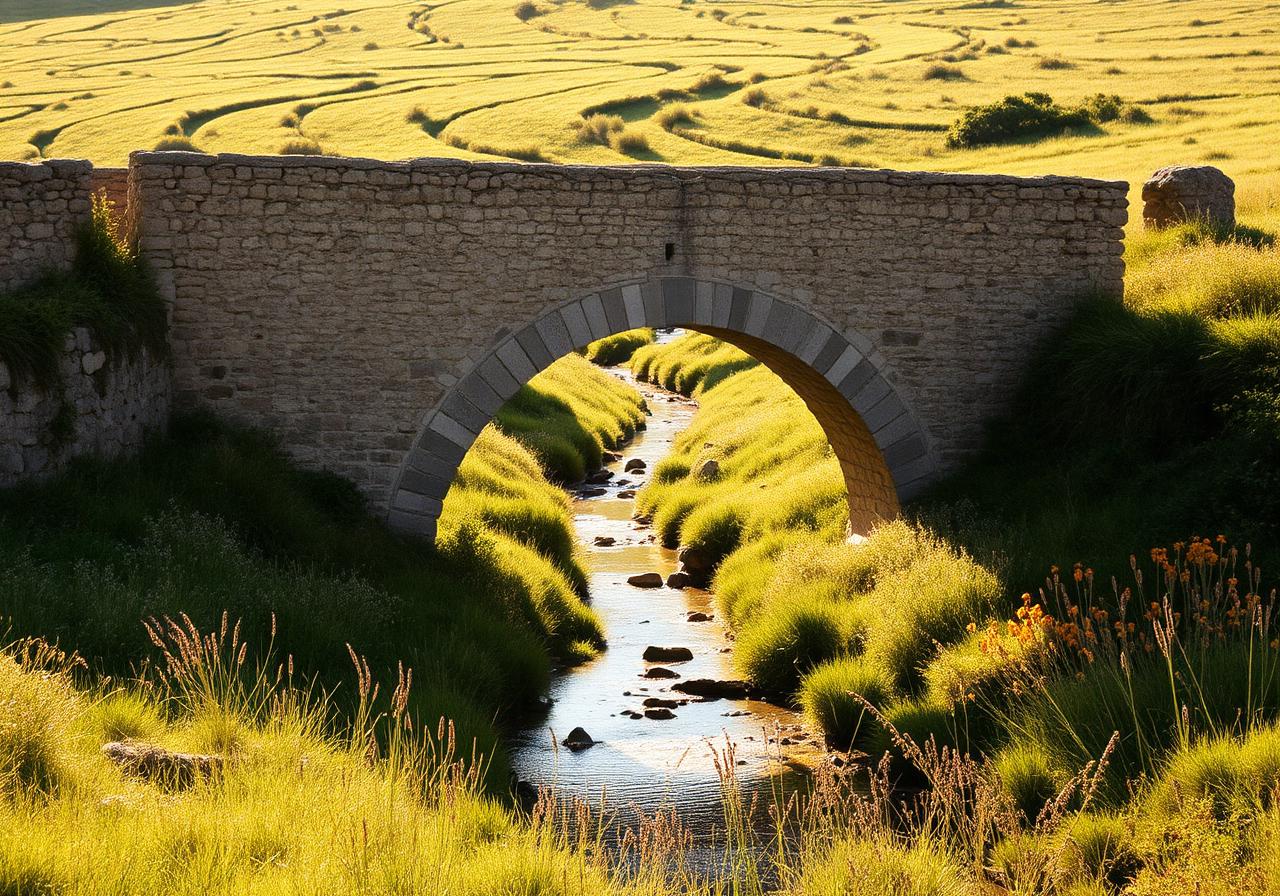
The History of the Camino Francés
Discover the history of the Camino Francés, the most famous route of the Camino de Santiago, from its medieval origins to its modern revival.
Related posts
Culture
Camino yellow arrows meaning
Discover the meaning of the yellow arrows on the Camino de Santiago, where they came from, and why they have become one of the most beloved symbols of The Way.
Culture
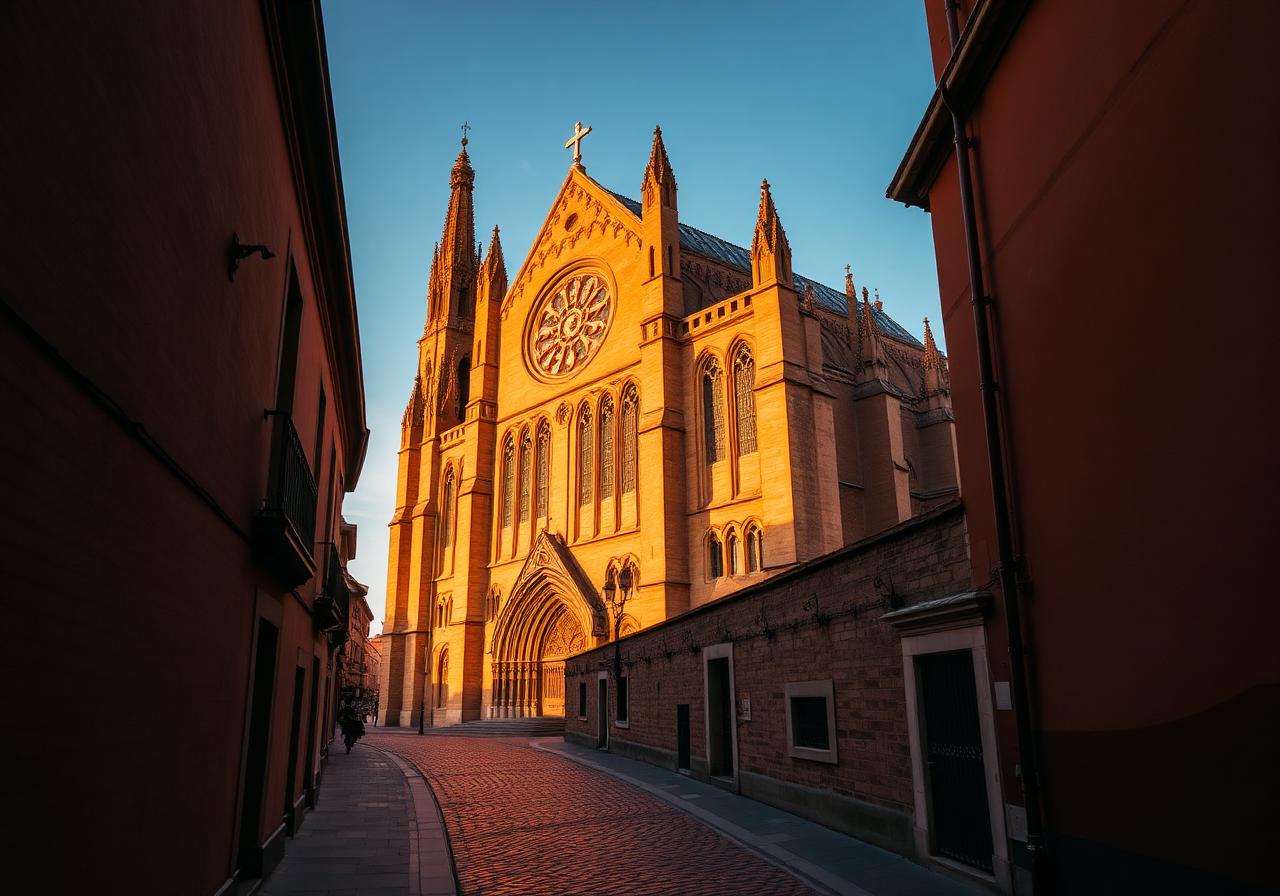
How the Camino de Santiago Declined and Was Revived
Discover how the Camino de Santiago declined after the Middle Ages and how it was revived into one of the world's most famous pilgrimage routes today.
Culture
The Camino de Santiago in Modern Times
Explore the Camino de Santiago in modern times and how an ancient pilgrimage became a global journey of faith, adventure, healing, culture, and self-discovery.
More posts like this
Articles that share keywords, routes, or towns with this one.
Culture
The Meaning of the Yellow Arrows on the Camino de Santiago
- 5 shared routes
- 1 shared town
Culture
How the Camino de Santiago Declined and Was Revived
- 5 shared routes
- 1 shared town
Culture
The Camino de Santiago in Modern Times
- 5 shared routes
- 1 shared town
Culture
Why the Camino de Santiago Still Matters Today
- 5 shared routes
- 1 shared town
Read next
Culture
The Meaning of the Yellow Arrows on the Camino de Santiago
Discover the meaning of the yellow arrows on the Camino de Santiago, where they came from, and why they have become one of the most beloved symbols of The Way.
9 min read
Culture
How the Camino de Santiago Declined and Was Revived
Discover how the Camino de Santiago declined after the Middle Ages and how it was revived into one of the world's most famous pilgrimage routes today.
13 min read
Culture
The Camino de Santiago in Modern Times
Explore the Camino de Santiago in modern times and how an ancient pilgrimage became a global journey of faith, adventure, healing, culture, and self-discovery.
13 min read
Culture
Why the Camino de Santiago Still Matters Today
Discover why the Camino de Santiago still matters today and why this ancient pilgrimage continues to attract modern walkers seeking meaning, healing, adventure, and connection.
13 min read
Culture
Who Was Saint James and Why Is He Connected to Santiago?
Learn who Saint James was, why he is connected to Santiago de Compostela, and how his legend became the foundation of the Camino de Santiago pilgrimage.
12 min read
Culture
The Cathedral of Santiago de Compostela: History and Meaning
Discover the history and meaning of the Cathedral of Santiago de Compostela, the spiritual heart of the Camino and the traditional resting place of Saint James.
13 min read