
Culture
How the Camino de Santiago Declined and Was Revived
Discover how the Camino de Santiago declined after the Middle Ages and how it was revived into one of the world's most famous pilgrimage routes today.
April 29, 2026 · 13 min read
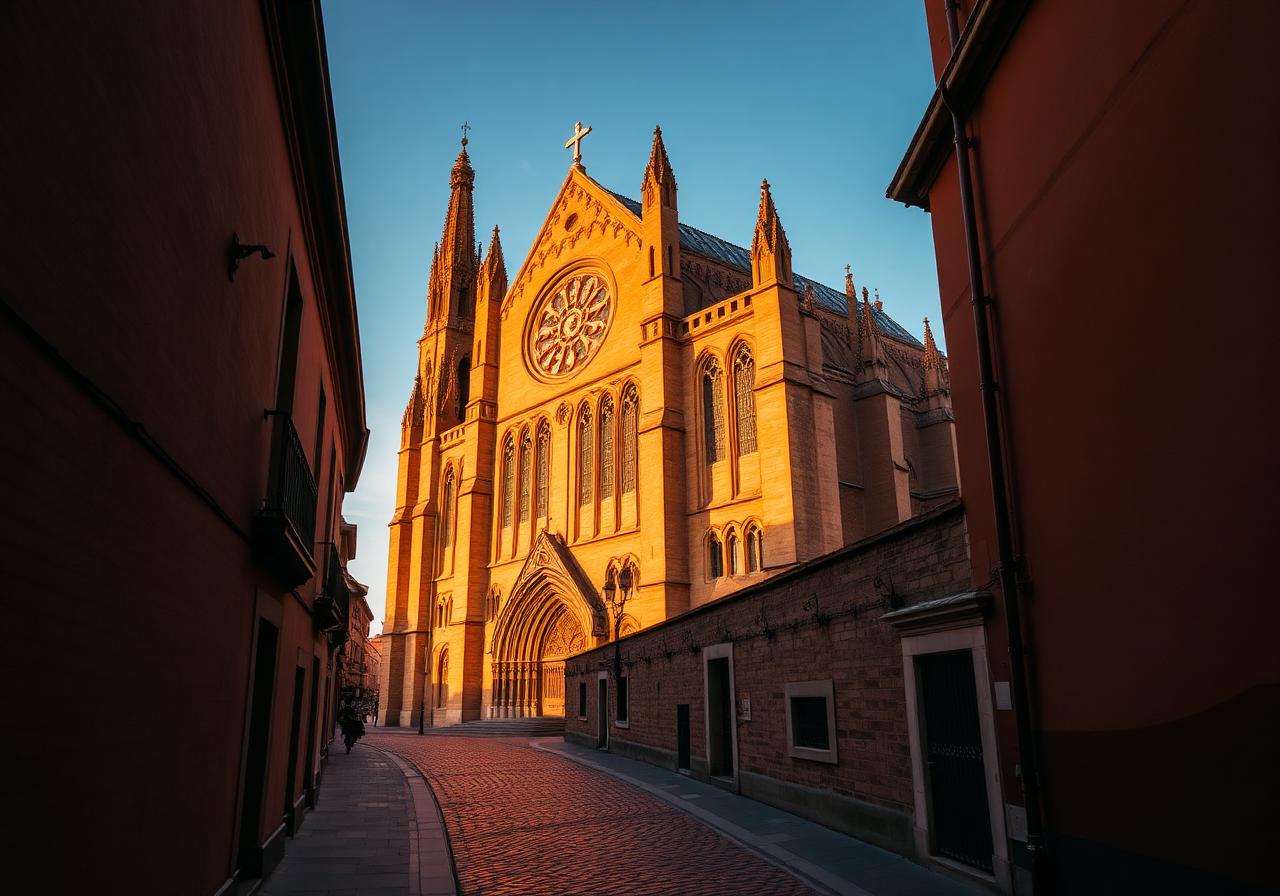
The Camino de Santiago is now one of the most famous pilgrimage routes in the world. Every year, people from across the globe walk toward Santiago de Compostela for faith, adventure, healing, reflection, culture, and personal transformation. But the Camino was not always this popular.
After reaching its medieval peak, the pilgrimage slowly declined. For centuries, the great roads to Santiago became quieter. Some routes faded from international memory. Pilgrim infrastructure weakened. The Camino survived, but it no longer held the same place in European life that it had during the Middle Ages. Then, in the 20th century, something remarkable happened. The Camino began to come back.
Its revival was not automatic. It happened because of local priests, historians, volunteers, Camino associations, communities, governments, writers, and pilgrims who believed the route still mattered. They marked paths, restored traditions, reopened hostels, promoted the history, and helped bring the Way of Saint James into the modern world. The story of the Camino's decline and revival is one of the most important chapters in its long history.
The medieval peak of the Camino
The Camino de Santiago reached its greatest medieval importance between roughly the 11th and 13th centuries — the era we explore in The Camino as a great European pilgrimage. During this period, Santiago de Compostela was one of the major pilgrimage destinations of Western Christianity, often named alongside Rome and Jerusalem. Pilgrims traveled from France, England, Ireland, Germany, Italy, Scandinavia, Portugal, and many other regions. The Camino Francés became especially important. Churches, monasteries, hospitals, bridges, towns, and markets grew along the route to support pilgrims — see how the Camino shaped towns across northern Spain. Santiago Cathedral became the spiritual heart of the journey, and the tomb of Saint James attracted devotion from across Europe.
Why the Camino began to decline
The decline of the Camino happened gradually. There was no single moment when the pilgrimage ended. Instead, many factors reduced the number of pilgrims over time. These included religious changes in Europe, wars and political instability, the Protestant Reformation, changing attitudes toward pilgrimage, economic hardship, dangerous travel conditions, the rise of new forms of devotion, and modernization with shifting travel patterns. The Camino remained important, especially in Spain and Galicia, but its international prominence weakened.
The Protestant Reformation and changing religious life
The Protestant Reformation in the 16th century changed Christian Europe dramatically. In many Protestant regions, pilgrimage, relics, indulgences, and devotion to saints were criticized or rejected. This reduced the flow of pilgrims from parts of northern and central Europe — including the English ports that had once fed the [Camino Inglés](/blog/camino-ingles-history). Catholic pilgrims continued to walk, but the Camino no longer drew the same broad European movement that it had during the Middle Ages.
Wars, conflict and unsafe roads
Wars and political instability also contributed to the Camino's decline. Travel in early modern Europe could be dangerous. Conflicts between kingdoms, local unrest, banditry, and shifting borders made long-distance pilgrimage more difficult — a continuation of the medieval landscape we describe in The Camino during the Reconquista. Pilgrims needed safety and infrastructure. When roads became unsafe or support systems weakened, fewer people could risk the journey.
The decline of pilgrim infrastructure
As fewer pilgrims walked, the infrastructure that supported them also declined. Pilgrim hospitals closed or changed function. Monasteries lost influence. Some routes became poorly maintained. Local knowledge faded. Buildings were abandoned, repurposed, or absorbed into towns. Fewer pilgrims meant fewer services. Fewer services made pilgrimage harder. Harder pilgrimage meant even fewer pilgrims.
The tomb and the relics in later history
The relics associated with Saint James also passed through periods of uncertainty. At times, they were hidden or difficult to locate due to fear of attack, conflict, or instability. In the 19th century, remains believed to be those of Saint James were rediscovered beneath the cathedral and later recognized by Church authorities. This renewed religious attention helped support interest in Santiago.
The Camino in the 19th and early 20th centuries
By the 19th and early 20th centuries, the Camino was far less known internationally than it had been in the Middle Ages. Some pilgrims still walked, especially from Spain, Portugal, and Catholic communities. Local devotion remained important. Santiago still mattered as a religious city. But the idea of thousands of international pilgrims walking across Europe to Santiago had faded. In many places, the route was not clearly marked. Accommodation for pilgrims was limited.
Early signs of revival
The Camino's revival began slowly. Scholars, clergy, local historians, and religious communities started paying renewed attention to the route's history — work that built on guides as old as the 12th-century Codex Calixtinus. The revival did not begin as a mass tourism movement. It began with people who believed the Camino's history and spiritual meaning were worth preserving.
Father Elías Valiña and the yellow arrows
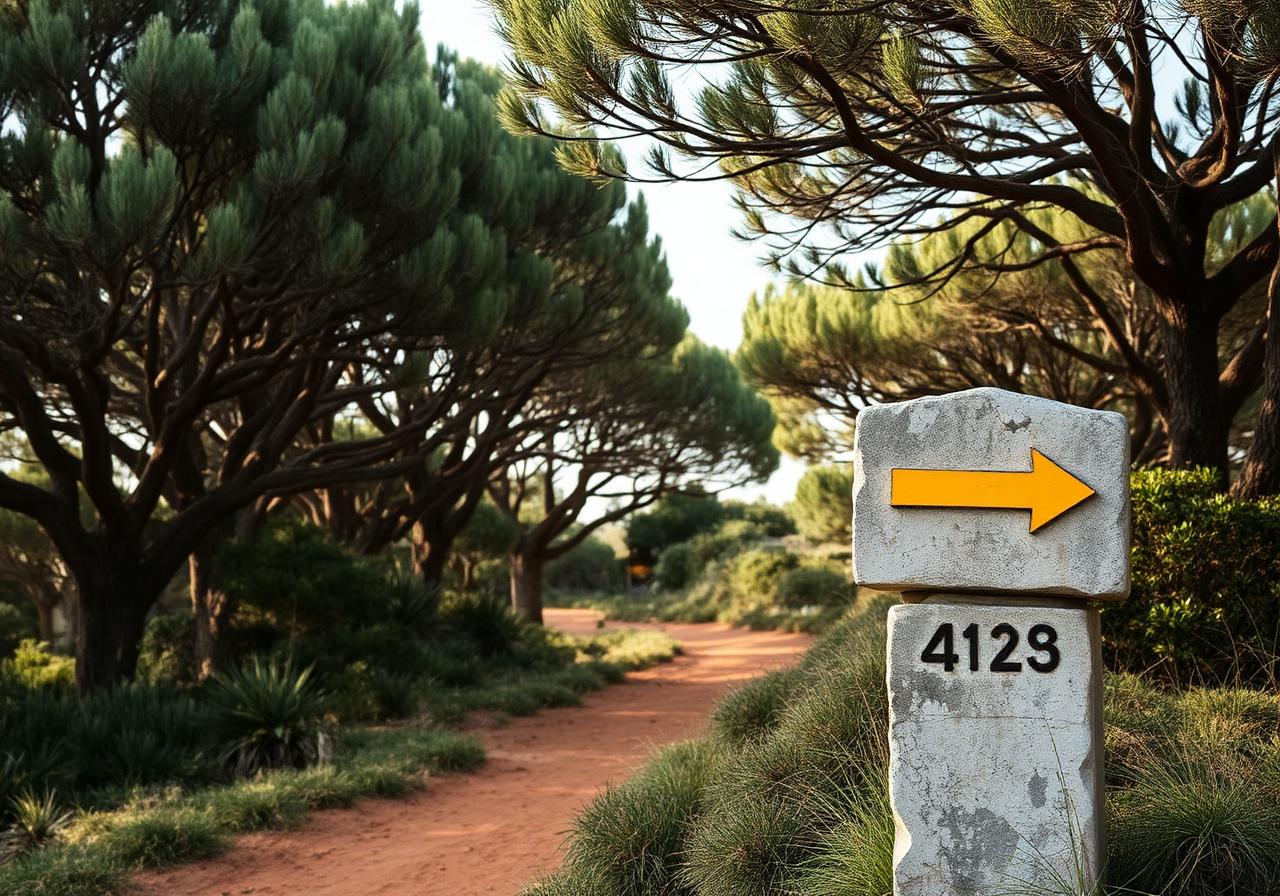
One of the most important figures in the modern revival of the Camino was Father Elías Valiña, the priest of O Cebreiro. He dedicated himself to recovering and promoting the [Camino Francés](/blog/camino-frances-history). He researched the route, wrote about it, and helped mark the path so pilgrims could follow it again. He is especially remembered for painting the yellow arrows that became one of the most beloved symbols of the modern Camino.
The role of Camino associations
Camino associations played a major role in the revival. Local, national, and international groups helped mark routes, publish guides, support pilgrims, advocate for preservation, and build awareness. Volunteers gave time, knowledge, and energy to restore the Camino's infrastructure and spirit. The Camino revival was not the work of one person alone. It was a collective effort.
Reopening and creating albergues
Accommodation was essential to the Camino's return. Modern pilgrims needed affordable places to sleep, especially on long routes like the Camino Francés. Municipalities, religious groups, associations, and private owners helped create or reopen albergues. These modern pilgrim hostels echoed the older tradition of medieval pilgrim hospitals and the monasteries that sheltered them.
The Council of Europe recognition
A major milestone came in 1987, when the Camino de Santiago was declared the first European Cultural Route by the Council of Europe. This recognition highlighted the Camino's importance as a shared European heritage route. It helped frame the Camino not only as a religious pilgrimage, but also as a cultural, historical, and international path of connection.
UNESCO World Heritage recognition
The Camino also gained UNESCO recognition. Santiago de Compostela's old town became a UNESCO World Heritage Site in 1985, and the Camino Francés and the Caminos of northern Spain — including the [Camino del Norte](/blog/camino-del-norte-history) and the [Camino Primitivo](/blog/camino-primitivo-history) — were later recognized for their outstanding cultural importance. The Camino was no longer only a local or religious tradition. It became a global cultural landmark.
The Holy Years and growing pilgrim numbers
Holy Years, also called Xacobeo years, have played an important role in increasing pilgrim numbers. A Holy Year occurs when the feast day of Saint James, July 25, falls on a Sunday. During these years, Santiago receives special religious attention, and pilgrim numbers often rise sharply. Modern Holy Years helped bring media attention, infrastructure investment, and renewed interest.
Books, films and popular culture
Books, documentaries, travel writing, and films helped introduce the Camino to new audiences. Personal stories about the Camino made the pilgrimage feel accessible to people who might not have considered it before — themes we explore in Why people walk the Camino and What the Camino teaches you. Popular culture helped globalize the Camino.
The Camino becomes global
By the late 20th and early 21st centuries, the Camino had become a global phenomenon. Pilgrims came from Europe, North America, South America, Asia, Australia, Africa, and beyond. New routes gained popularity alongside the Francés — among them the [Camino Portugués](/blog/camino-portugues-history) from Lisbon and Porto. The reasons for walking expanded: people came after divorce, death, burnout, retirement, illness, career change, spiritual searching, or simply curiosity. The modern Camino became both ancient and contemporary.
Benefits of the revival
The revival brought many benefits. It restored historic routes, supported rural communities, preserved heritage, encouraged cultural exchange, and helped countless people experience pilgrimage. Small towns gained economic opportunities. Churches and historic buildings received renewed attention. People from around the world discovered Spain, Galicia, and the meaning of slow travel.
Challenges of popularity
The revival also brought challenges. Some sections, especially the final 100 kilometers from Sarria on the Camino Francés, can become crowded. Commercialization, rising prices, pressure on local communities, environmental concerns, and loss of quiet atmosphere are real issues. The challenge now is not simply reviving the Camino. It is protecting its spirit.
Why the Camino came back
The Camino came back because it still speaks to human needs. People need time away from noise. They need movement, reflection, simplicity, nature, challenge, community, and meaning. The Camino offers all of this in a form that is ancient but still deeply relevant — see Why the Camino still matters today.
Final thoughts
The Camino de Santiago declined after its medieval peak, but it never disappeared. Religious change, war, political instability, weakened infrastructure, and shifting travel patterns made the old pilgrimage quieter for centuries. But the Camino survived in memory, local devotion, sacred places, and the city of Santiago itself. Its modern revival came through the work of priests, volunteers, associations, communities, cultural institutions, writers, and pilgrims who believed the Way still mattered. Today, the Camino is alive again. The Camino returned because people started walking again. Buen Camino.
Frequently asked questions
- When did the Camino de Santiago decline?
- The Camino lost its broad European reach gradually from the late Middle Ages onward. The Protestant Reformation of the 16th century, the wars of early modern Europe, the decline of pilgrim hospitals, and shifting travel patterns all reduced international pilgrim numbers. By the 19th and early 20th centuries the Camino survived mainly as a local Spanish, Portuguese, and Galician tradition rather than a continent-wide pilgrimage.
- Who revived the Camino de Santiago?
- The modern revival is most often associated with Father Elías Valiña, the priest of O Cebreiro, who researched the historical route and famously painted the yellow arrows that still guide pilgrims along the Camino Francés. He worked alongside Spanish and international Camino associations, scholars, parish communities, and volunteers who marked routes, opened albergues, and reconnected towns with their pilgrim past.
- When did the Camino become a UNESCO and Council of Europe site?
- The Camino was named the first European Cultural Route by the Council of Europe in 1987. The old town of Santiago de Compostela was inscribed as a UNESCO World Heritage Site in 1985, the Camino Francés in Spain was added in 1993, and the Routes of Northern Spain — the Camino del Norte, Primitivo, Vasco, and Liébana — were added in 2015.
- Why is the Camino so popular again today?
- The modern Camino draws pilgrims for many reasons beyond traditional Catholic devotion: walking holidays, healing and grief journeys, retirement adventures, cultural and historical interest, and simple curiosity. Improved waymarking, an extensive albergue network, books and films, and recognition by UNESCO and the Council of Europe have all made the route more accessible to a global audience.
Keep exploring
Next stops & related posts
Towns, stages, and stories connected to this article — your jumping-off points to plan the next stretch of the Camino.
Pilgrim guides
- Roncesvalles monastery & albergue
- Samos monastery lodging
- Foncebadón mountain albergues
- O Cebreiro pilgrim shelters
- All lodging articles
- Camino Primitivo (mountain terrain)
- Camino del Norte (coastal weather)
- Foncebadón (high pass)
- O Cebreiro (Galician mountains)
- Santiago de Compostela cathedral
- León cathedral city
- Burgos cathedral city
- Samos monastery
- Roncesvalles monastery
- O Cebreiro pre-Romanesque church
- All history articles
Towns to visit
Lugo, Galicia
O Cebreiro
A mountain hamlet of Celtic pallozas — the dramatic doorway to Galicia.
Lugo, Galicia
Sarria
Where the busiest 100-km final push begins — and a charming medieval upper town.
Galicia
Santiago de Compostela
The journey's end — and for many pilgrims, a new beginning.
Norte, Portugal
Porto
The Douro's port-wine city and starting point for most Portugués pilgrims.
Suggested stages
Camino Francés · Stage 26
Villafranca del Bierzo → O Cebreiro
28 km · 950 m · Challenging
Camino Francés · Stage 27
O Cebreiro → Triacastela
21 km · 250 m · Moderate
Camino Francés · Stage 28
Triacastela → Sarria
18 km · 380 m · Moderate
Camino Portugués · Stage 1
Porto → Vilarinho
27 km · 320 m · Moderate
Camino Portugués · Stage 2
Vilarinho → Barcelos
30 km · 250 m · Moderate
Camino Portugués · Stage 3
Barcelos → Ponte de Lima
33 km · 300 m · Challenging
Related routes
Related posts
Culture
Camino yellow arrows meaning
Discover the meaning of the yellow arrows on the Camino de Santiago, where they came from, and why they have become one of the most beloved symbols of The Way.
Culture
Why Did Pilgrims Walk to Finisterre?
Discover why pilgrims walked from Santiago to Finisterre, the "end of the world," and how this Atlantic extension became one of the most meaningful parts of the Camino.
Culture
The Camino de Santiago in Modern Times
Explore the Camino de Santiago in modern times and how an ancient pilgrimage became a global journey of faith, adventure, healing, culture, and self-discovery.
More posts like this
Articles that share keywords, routes, or towns with this one.
Culture
The Meaning of the Yellow Arrows on the Camino de Santiago
- 5 shared routes
- 1 shared town
Culture
Why Did Pilgrims Walk to Finisterre?
- 5 shared routes
- 1 shared town
Culture
The Camino de Santiago in Modern Times
- 5 shared routes
- 1 shared town
Culture
Why the Camino de Santiago Still Matters Today
- 5 shared routes
- 1 shared town
Read next
Culture
The Meaning of the Yellow Arrows on the Camino de Santiago
Discover the meaning of the yellow arrows on the Camino de Santiago, where they came from, and why they have become one of the most beloved symbols of The Way.
9 min read
Culture
Why Did Pilgrims Walk to Finisterre?
Discover why pilgrims walked from Santiago to Finisterre, the "end of the world," and how this Atlantic extension became one of the most meaningful parts of the Camino.
11 min read
Culture
The Camino de Santiago in Modern Times
Explore the Camino de Santiago in modern times and how an ancient pilgrimage became a global journey of faith, adventure, healing, culture, and self-discovery.
13 min read
Culture
Why the Camino de Santiago Still Matters Today
Discover why the Camino de Santiago still matters today and why this ancient pilgrimage continues to attract modern walkers seeking meaning, healing, adventure, and connection.
13 min read
Culture
Who Was Saint James and Why Is He Connected to Santiago?
Learn who Saint James was, why he is connected to Santiago de Compostela, and how his legend became the foundation of the Camino de Santiago pilgrimage.
12 min read
Culture
The Cathedral of Santiago de Compostela: History and Meaning
Discover the history and meaning of the Cathedral of Santiago de Compostela, the spiritual heart of the Camino and the traditional resting place of Saint James.
13 min read