
Culture
How the Camino Shaped Towns Across Northern Spain
Discover how the Camino de Santiago shaped towns across northern Spain through pilgrimage, trade, churches, hospitals, markets, and medieval hospitality.
April 29, 2026 · 13 min read
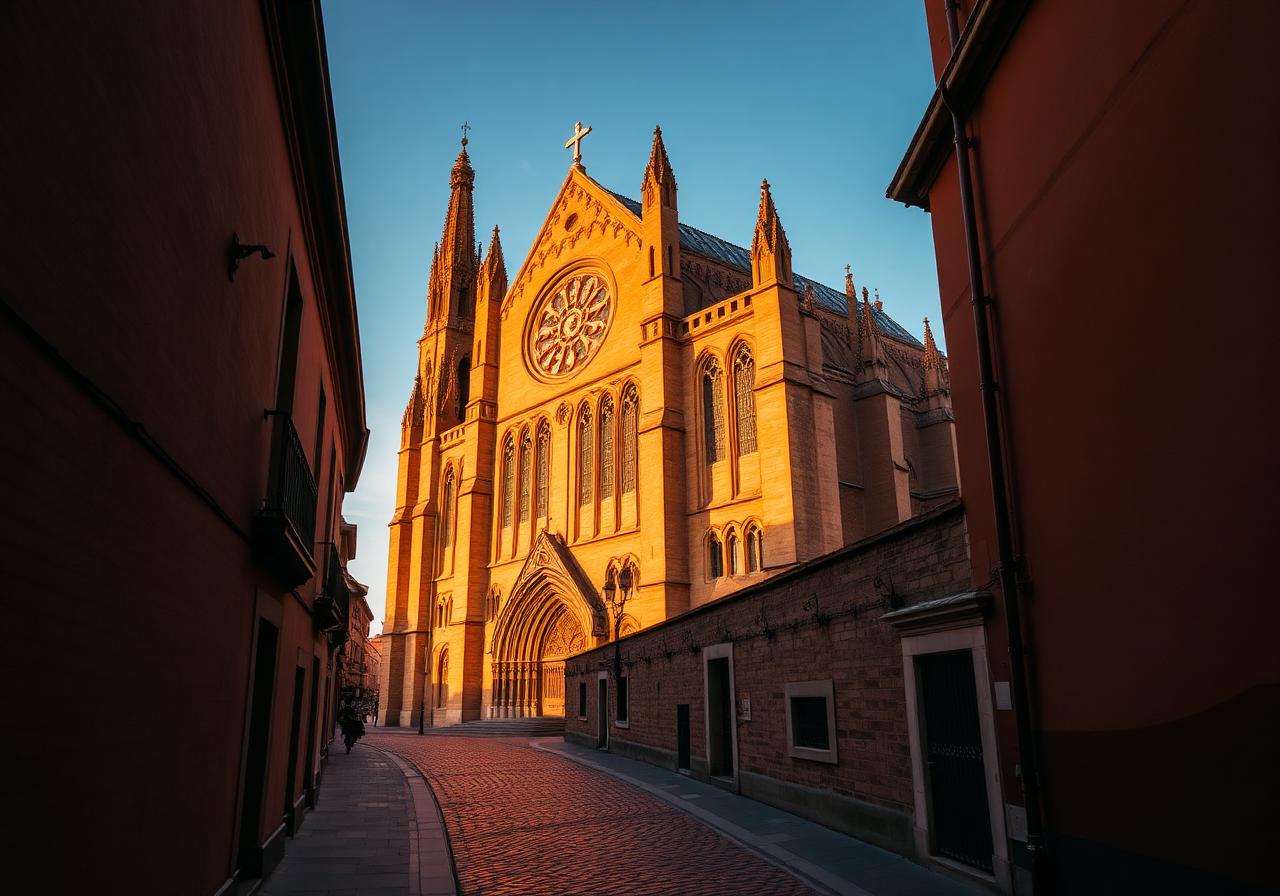
The Camino de Santiago did not only connect towns. It helped shape them. Across northern Spain, many towns grew, changed, and prospered because pilgrims passed through on their way to Santiago de Compostela. These travelers needed food, shelter, medical care, churches, markets, bridges, blacksmiths, guides, and protection. Over time, entire communities developed around the needs of pilgrims.
Some towns became famous Camino landmarks. Others remained small but deeply tied to the rhythm of the road. Streets, churches, plazas, bridges, hospitals, monasteries, and inns were all influenced by the constant movement of people toward Santiago. To walk the Camino today is to pass through places shaped by more than a thousand years of pilgrimage. The towns are not just stops along the route. They are part of the Camino's history.
The Camino as a road of movement. The Camino de Santiago was one of medieval Europe's great travel networks. Pilgrims came from across Spain, France, Portugal, England, Ireland, Italy, Germany, and beyond. Many entered the Iberian Peninsula through the Pyrenees and followed roads across northern Spain toward Santiago. This movement brought people, money, languages, news, ideas, goods, and religious devotion. Where people moved regularly, towns had reason to grow. The Camino created demand — and towns developed to meet it.
Why pilgrims needed towns. Medieval pilgrims could not simply walk across Spain without support. They needed places to sleep, eat, pray, buy supplies, repair shoes or equipment, receive medical care, cross rivers safely, ask for directions, find protection, and rest after difficult stages. Towns became essential survival points. A pilgrim route without towns, churches, or shelters would have been far more dangerous and far less sustainable.
Towns grew around pilgrim services. As the Camino became more popular, services for pilgrims expanded. Inns, taverns, markets, hospitals, churches, monasteries, workshops, and lodging houses appeared or grew along the route. Some towns became known for hospitality. Others became important because of location, such as river crossings, mountain passes, or road junctions. Pilgrims brought economic opportunity. A steady flow of travelers meant customers for food sellers, shoemakers, blacksmiths, bakers, innkeepers, guides, and merchants. The Camino became part of local economies.
The role of kings and town charters. Kings and nobles played an important role in developing Camino towns. During the Middle Ages, rulers granted privileges, charters, and protections to certain towns along the route. These incentives encouraged settlement, trade, and urban growth. Some rulers invited settlers from beyond the Pyrenees, often called 'Franks,' to help populate and develop towns. These settlers brought skills, commerce, and connections to wider Europe. Supporting Camino towns helped rulers strengthen territory, encourage trade, and promote pilgrimage. The road to Santiago became a tool of both devotion and development.
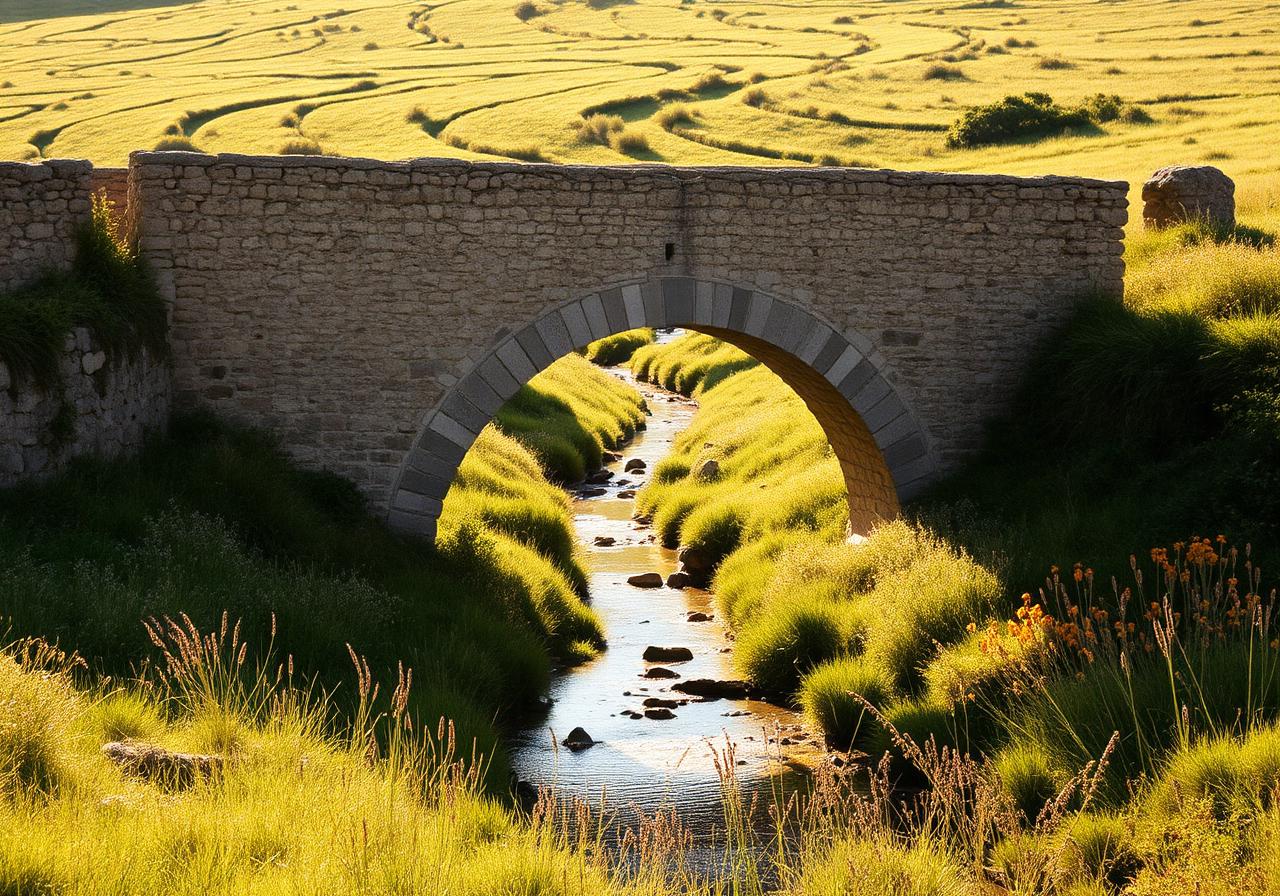
Bridges and river crossings created towns. River crossings were critical on the Camino. Before modern infrastructure, rivers could be dangerous obstacles. A reliable bridge could transform a place into an important stop. Towns often grew near bridges because travelers naturally gathered there. Pilgrims needed safe crossings, and communities developed around those points. Some Camino towns became famous because of bridges built or improved for pilgrims. A bridge was more than construction. It was a lifeline. Where the road crossed water, history often followed.
Churches as town centers. In many Camino towns, churches became the heart of community life. They served local residents and pilgrims alike. Pilgrims attended Mass, prayed, received blessings, visited relics, and rested inside cool stone buildings after long walks. Churches also shaped town layouts. Streets often led toward them, and plazas formed around them. A town's church was not only a spiritual center. It was a social, architectural, and economic anchor. For pilgrims today, visiting these churches offers a direct connection to the medieval Camino.
Pilgrim hospitals and local identity. Pilgrim hospitals were essential to many Camino towns. A medieval hospital was often a place of hospitality, not a modern hospital. It might provide food, shelter, rest, and basic care for tired or sick travelers. Some towns became known for caring for pilgrims. Hospitals gave these towns a special role in the pilgrimage network. This tradition of hospitality helped shape local identity. Even today, many Camino towns take pride in welcoming walkers, continuing a culture that began centuries ago.
Markets and trade along the Camino. The Camino supported trade. Pilgrims needed supplies, but they also brought goods and money. Markets along the route served both locals and travelers. Merchants benefited from the steady flow of people. The Camino also helped spread products, styles, customs, and information between regions. A town along the Camino was not isolated. It was connected to a wider European movement. This made the route economically important as well as spiritually important.
The influence of foreign pilgrims and settlers. Foreign pilgrims helped shape towns along the Camino. Travelers from France and other parts of Europe brought languages, customs, money, and expectations. In some towns, foreign settlers established communities and contributed to local growth. This influence can still be seen in place names, architecture, urban history, and cultural links across the route. The Camino made northern Spain more connected to Europe. It turned local towns into international meeting points.
Pamplona — a major early city on the route. Pamplona became one of the first major cities encountered by pilgrims walking the Camino Francés after crossing the Pyrenees. As the historic capital of Navarre, Pamplona already had political and strategic importance. The Camino added to its role as a place of arrival, rest, and resupply. Pilgrims moving through Pamplona brought traffic, commerce, and cultural exchange. Today, many pilgrims still experience Pamplona as their first major urban stop after the mountain crossing from Saint-Jean-Pied-de-Port.
Puente la Reina — where routes meet. Puente la Reina is one of the most symbolic Camino towns. Its name means 'Queen's Bridge,' and its famous bridge over the Arga River is one of the great landmarks of the Camino Francés. The town developed at an important meeting point where routes from different directions came together. Its bridge and location made it essential for pilgrim movement. Puente la Reina shows how infrastructure, geography, and pilgrimage could create a town's identity. It exists in the pilgrim imagination because of the road and the bridge.
Santo Domingo de la Calzada — built for pilgrims. Santo Domingo de la Calzada is one of the clearest examples of a town shaped by the Camino. It is associated with Saint Dominic of the Causeway, who helped improve roads, bridges, and services for pilgrims. His work made travel safer and easier, and the town grew around this mission. The very name of the town reflects the Camino. Santo Domingo de la Calzada shows how one person's dedication to pilgrims could shape an entire place.
Burgos — a cathedral city of the Camino. Burgos became one of the great cities of the Camino Francés. Its cathedral, markets, religious institutions, and urban life made it a major stop for medieval pilgrims. It was also an important political and economic center. The Camino did not create Burgos by itself, but it added to the city's importance. For pilgrims, Burgos offered rest, worship, supplies, and the experience of one of Spain's great cathedral cities.
León — royal power and pilgrimage. León was another major Camino city shaped by pilgrimage. As a royal and religious center, León held great importance in medieval Spain. Pilgrims passed through its streets, visited churches, stayed in hospitals, and contributed to the local economy. The city's cathedral and religious heritage remain major highlights for modern pilgrims. León shows how the Camino connected sacred travel with royal power, architecture, and urban development.
Astorga — a crossroads of routes. Astorga became important partly because of its position as a crossroads. It connects the Camino Francés with routes linked to the Via de la Plata. Its Roman heritage, cathedral, and strategic location made it a significant town for travelers. Pilgrims moving through Astorga were part of a much older tradition of movement through the region. The Camino added another layer to a town already shaped by roads.
Ponferrada — castle, power, and pilgrimage. Ponferrada is famous for its castle associated with the Knights Templar. Its location in El Bierzo made it an important stop before pilgrims entered the difficult final regions toward Galicia. The castle and town reflect the Camino's connection to defense, power, and movement. For pilgrims today, Ponferrada offers one of the strongest medieval atmospheres on the Camino Francés. It shows how towns along the route could combine military, religious, and pilgrim functions.
Sarria — a modern Camino town. Sarria has become one of the most important Camino towns in modern times. Because it is located just over 100 kilometers from Santiago, many pilgrims begin there to qualify for the Compostela certificate. This has transformed Sarria into a major starting point. Historically, Sarria was one stop among many. Today, it plays a central role in the modern Camino economy. This shows that the Camino continues to shape towns even now.
Santiago de Compostela — the city created by pilgrimage. No city was shaped by the Camino more than Santiago de Compostela. The reported discovery of Saint James' tomb transformed the area into a religious destination. Pilgrimage drove the growth of the city, the construction of the cathedral, the development of streets and plazas, and the expansion of services for travelers. Santiago exists as a pilgrimage city. Its identity, economy, architecture, and meaning are inseparable from the Camino. Every route leads there, and every pilgrim adds to its story.
Smaller villages matter too. While famous towns get much attention, small villages are just as important to the Camino experience. A tiny village with a fountain, chapel, café, or albergue can become unforgettable to a pilgrim. Many small communities survived, adapted, or found renewed purpose because of the Camino. Pilgrimage is not only shaped by cathedrals and major cities. It is also shaped by the quiet places where pilgrims rest their feet, refill water, share coffee, or find unexpected kindness.
The modern Camino economy. Today, the Camino continues to shape towns economically. Albergues, cafés, restaurants, gear shops, luggage transfer services, tour operators, laundries, pharmacies, and guesthouses all serve modern pilgrims. Some towns depend heavily on Camino traffic, especially during peak season. This creates opportunity but also challenges. Popularity can bring overcrowding, rising prices, commercialization, and pressure on local communities. The relationship between towns and pilgrims continues to evolve.
Preserving Camino towns. As the Camino grows in popularity, preserving the character of Camino towns becomes important. Historic centers, churches, bridges, old hospitals, and traditional streets need protection. At the same time, local communities must be able to live, work, and benefit from pilgrimage in sustainable ways. Pilgrims can help by respecting local customs, supporting small businesses, staying responsibly, and remembering that these are not just tourist stops. They are living communities.
Final thoughts. The Camino de Santiago shaped towns across northern Spain by bringing centuries of pilgrims, trade, faith, hospitality, and movement through them. Some towns grew around bridges. Others around churches, hospitals, markets, monasteries, castles, or crossroads. Major cities like Burgos and León became powerful Camino landmarks, while smaller villages offered the simple kindness that kept pilgrims moving. The towns along the Camino are not background scenery. They are part of the pilgrimage itself. Every stone street, church bell, bridge, plaza, and albergue carries the memory of those who walked before. Buen Camino.
Keep exploring
Next stops & related posts
Towns, stages, and stories connected to this article — your jumping-off points to plan the next stretch of the Camino.
Pilgrim guides
- All Camino routes
- Camino Francés stages
- Camino Portugués stages
- Camino del Norte stages
- Roncesvalles monastery & albergue
- Samos monastery lodging
- Foncebadón mountain albergues
- O Cebreiro pilgrim shelters
- All lodging articles
- Camino Primitivo (mountain terrain)
- Camino del Norte (coastal weather)
- Foncebadón (high pass)
- O Cebreiro (Galician mountains)
- Compare all routes
- Camino Francés overview
- Camino Inglés (shorter option)
- All planning articles
- Santiago de Compostela cathedral
- León cathedral city
- Burgos cathedral city
- Samos monastery
- Roncesvalles monastery
- O Cebreiro pre-Romanesque church
- All history articles
Towns to visit
El Bierzo, León
Ponferrada
A Templar castle town at the gateway to the Bierzo wine country.
Galicia
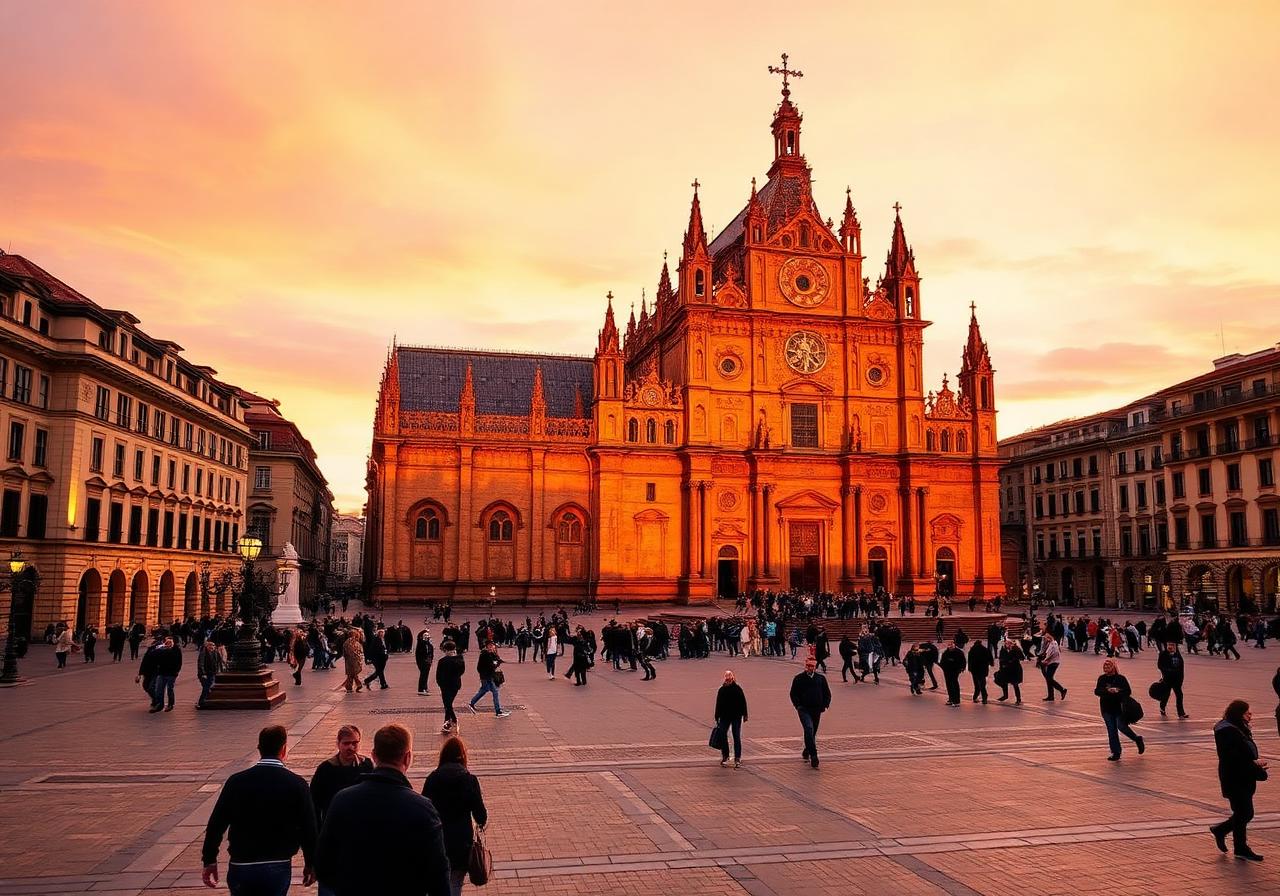
Santiago de Compostela
The journey's end — and for many pilgrims, a new beginning.
Castilla y León
León
A spirited cathedral city marking the gateway to the final third of the Francés.
Pyrénées-Atlantiques, France
Saint-Jean-Pied-de-Port
The traditional starting point — a fortified Basque town at the foot of the Pyrenees.
Navarra
Pamplona
The first city on the Francés — Hemingway's town, famous for the Running of the Bulls.
Navarra
Puente la Reina
Where the Camino Francés and Camino Aragonés merge — at a perfect 11th-century bridge.
La Rioja
Santo Domingo de la Calzada
The town built by a saint to serve pilgrims — and home to the famous live rooster.
Castilla y León
Burgos
Castile's medieval capital — home to one of Spain's greatest Gothic cathedrals.
Suggested stages
Related routes
Related posts
Culture
Camino de Santiago pilgrimage history
Discover how the Camino de Santiago grew from a local shrine in Galicia into one of medieval Europe's greatest pilgrimage routes.
Practical
Camino Francés guide
Everything you need to plan the most popular Camino: 33 stages from Saint-Jean-Pied-de-Port to Santiago, with town stops, distances, and honest tips.
Food
Camino de Santiago food
From Basque pintxos to Galician pulpo, the Camino is a tour of Spain's regional cooking. Here's what to order in each region you walk through.
More posts like this
Articles that share keywords, routes, or towns with this one.
Culture
How the Camino de Santiago Became One of Europe's Great Pilgrimages
- 1 shared route
- 3 shared towns
Culture
The Role of Monasteries and Churches Along the Camino de Santiago
- 1 shared route
- 2 shared towns
Culture
The History of the Camino Francés
- 1 shared route
- 2 shared towns
Culture
The Templar Knights and the Camino de Santiago
- 1 shared route
- 2 shared towns
Read next
Culture
How the Camino de Santiago Became One of Europe's Great Pilgrimages
Discover how the Camino de Santiago grew from a local shrine in Galicia into one of medieval Europe's greatest pilgrimage routes.
14 min read
Culture
The Role of Monasteries and Churches Along the Camino de Santiago
Explore the role of monasteries and churches along the Camino de Santiago and how they supported pilgrims through shelter, prayer, hospitality, and history.
12 min read
Culture
The History of the Camino Francés
Discover the history of the Camino Francés, the most famous route of the Camino de Santiago, from its medieval origins to its modern revival.
13 min read
Culture
The Templar Knights and the Camino de Santiago
Explore the connection between the Knights Templar and the Camino de Santiago, including medieval protection, castles, legends, and the Templar presence along the Way.
12 min read
Culture
The Camino During the Reconquista
Explore the history of the Camino de Santiago during the Reconquista and how pilgrimage, politics, faith, and medieval Spain shaped the Way of Saint James.
13 min read
Culture
The History of Pilgrim Hospitals on the Camino de Santiago
Discover the history of pilgrim hospitals on the Camino de Santiago and how medieval hospitality, shelter, food, and care helped pilgrims survive the journey to Santiago.
13 min read