
Culture
The History of Pilgrim Hospitals on the Camino de Santiago
Discover the history of pilgrim hospitals on the Camino de Santiago and how medieval hospitality, shelter, food, and care helped pilgrims survive the journey to Santiago.
April 29, 2026 · 13 min read
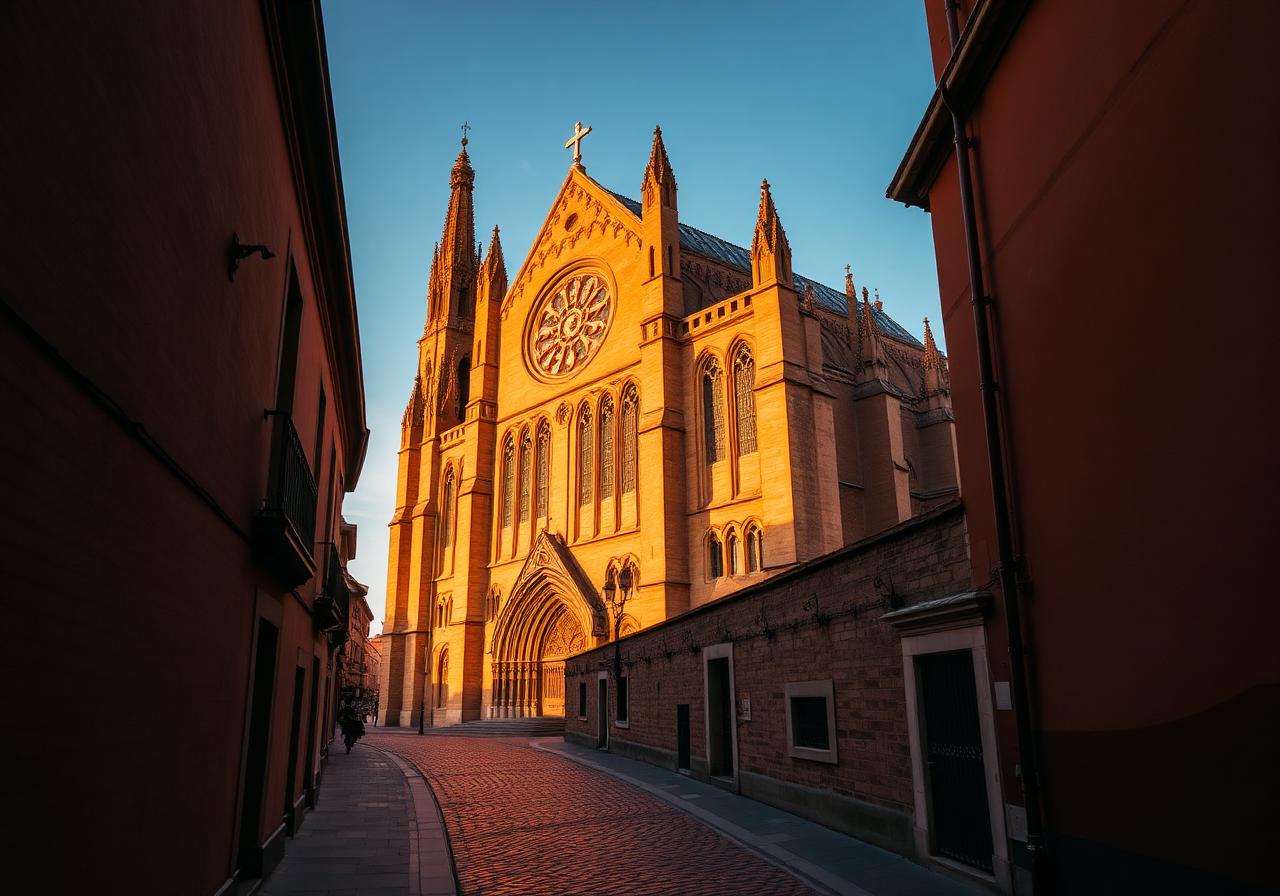
Long before modern albergues, hostels, hotels, pharmacies, and cafés, Camino pilgrims depended on a different kind of support: pilgrim hospitals. In the Middle Ages, a 'hospital' was not always a medical hospital in the modern sense. It was often a place of hospitality — a shelter where travelers, the poor, the sick, and the exhausted could receive food, rest, basic care, and spiritual comfort.
These hospitals were essential to the Camino de Santiago. They helped pilgrims survive long distances, harsh weather, hunger, illness, injury, and danger. Many were connected to monasteries, churches, religious orders, kings, nobles, towns, or charitable foundations. The history of pilgrim hospitals is really the history of Camino hospitality. It shows that the Camino was never only about walking. It was also about being welcomed.
What was a medieval pilgrim hospital? A medieval pilgrim hospital was a place that provided care and shelter for travelers. The word 'hospital' comes from the same root as hospitality. In the medieval world, hospitals could serve many functions. Some cared for the sick. Others sheltered the poor. Many offered food, lodging, and rest to pilgrims. A pilgrim hospital might provide a bed or straw mattress, a simple meal, water or wine, basic medical care, a place to recover from exhaustion, spiritual support, protection from weather, and help for the poor or injured. These places were often simple, crowded, and uncomfortable by modern standards. But for medieval pilgrims, they could be lifesaving.
Why pilgrim hospitals were needed. The Camino was dangerous and physically demanding. Medieval pilgrims walked long distances on rough roads with poor footwear, limited supplies, and little protection from the elements. They faced blisters, infected wounds, fever, hunger, dehydration, cold, heat, theft, and exhaustion. Many pilgrims were poor. Some could not afford inns. Others became sick or injured along the way. Without places of care, many would have been unable to continue. Pilgrim hospitals made the Camino possible for people who could not have survived the road alone.
Hospitality as a Christian duty. The growth of pilgrim hospitals was deeply connected to Christian ideas of charity. In medieval Christianity, caring for travelers, the poor, and the sick was considered a sacred duty. Welcoming strangers was seen as an act of service to God. Monasteries, churches, bishops, nobles, kings, and laypeople founded hospitals as acts of devotion, charity, and social responsibility. To care for a pilgrim was to participate in the pilgrimage itself. This idea shaped the culture of the Camino and helped create its long tradition of hospitality.
Monasteries and pilgrim care. Monasteries played a major role in caring for pilgrims. Many monastic communities offered shelter and food to travelers as part of their religious life. Some monasteries maintained guesthouses or hospitals specifically for pilgrims. Monks might provide prayer, basic medical care, food, and a place to sleep. In remote areas, monasteries could be the only safe refuge for miles. For pilgrims, the sight of a monastery could mean relief. It meant shelter, order, and the possibility of kindness.
Churches and local hospitals. Many pilgrim hospitals were connected to churches or local religious institutions. In towns and villages along the Camino, churches often stood at the center of community life. They could organize charity, collect donations, and support travelers. Some hospitals were small local foundations. Others became larger and more permanent institutions. Together, they formed a network of care across the route. This network helped pilgrims move from town to town with some hope of finding support.
Royal and noble support. Kings, queens, nobles, and wealthy patrons also supported pilgrim hospitals. Founding a hospital was a way to show devotion, gain spiritual merit, support the Church, and strengthen the pilgrimage route. It also helped develop towns and protect travelers within a ruler's territory. Royal support could provide land, money, privileges, or protection for hospitals. These foundations were practical and symbolic. They helped pilgrims while also increasing the prestige of rulers and towns.
Hospitals at strategic locations. Many pilgrim hospitals were located where they were most needed. They could be found near mountain passes, river crossings, busy towns, remote stretches, route junctions, cathedral cities, and dangerous sections of road. Location mattered. A hospital in a difficult area could save lives. On the Camino, care was not evenly distributed. Some stretches were safer and better supported than others. Strategic hospitals helped fill the gaps.
The Hospital of Roncesvalles. Roncesvalles is one of the most famous places of pilgrim hospitality on the Camino Francés. Located after the difficult Pyrenean crossing from Saint-Jean-Pied-de-Port, Roncesvalles became a crucial refuge for pilgrims entering Spain. After a hard mountain stage, medieval pilgrims needed shelter, food, and care. Religious institutions at Roncesvalles provided that support. Today, Roncesvalles remains one of the iconic early stops on the Camino Francés, still carrying the memory of medieval hospitality.
Hospital de Órbigo and the Camino. Hospital de Órbigo, on the Camino Francés, preserves the memory of pilgrim care in its name. The town is famous for its long medieval bridge, the Puente de Órbigo. It was an important crossing point and resting place for travelers. Towns like this show how hospitals, bridges, and pilgrimage movement were connected. Pilgrims needed safe crossings and places to rest. Communities developed around those needs.
Hospital de Bruma on the Camino Inglés. Hospital de Bruma is one of the most important historic places on the Camino Inglés. Its name reflects its role as a place of care for pilgrims traveling inland from the Galician ports toward Santiago. For pilgrims arriving by sea from England, Ireland, or northern Europe, the route to Santiago still required shelter and support. Hospital de Bruma reminds us that pilgrim hospitals were not limited to the Camino Francés. They existed across different routes and served pilgrims from many lands.
The great hospital in Santiago. Santiago de Compostela itself became home to major institutions of pilgrim care. One of the most famous is the Hostal dos Reis Católicos, originally founded as a royal hospital for pilgrims. Located beside the cathedral, it was created to care for those who arrived in Santiago after completing the journey. Its presence beside the cathedral shows how important pilgrim care was to the identity of the city. The arrival in Santiago did not mean pilgrims no longer needed help. Many arrived exhausted, sick, injured, or poor. Hospitality continued even at the destination.
What care did pilgrims receive? The care offered in pilgrim hospitals varied. Some places provided only a basic bed and meal. Others offered more organized support. Pilgrims might receive bread, soup, wine, water, blankets, washing, wound care, rest, confession, prayer, or help from attendants. Medical treatments were limited by medieval knowledge. Care might include herbs, bandaging, bloodletting, rest, or religious rituals. Even when medical care was basic, rest and food alone could make a huge difference. For an exhausted pilgrim, a safe night indoors could be enough to continue.
Who worked in pilgrim hospitals? Pilgrim hospitals were staffed in different ways. Some were served by monks, nuns, priests, lay brothers, sisters, local volunteers, servants, or members of religious orders. Larger hospitals might have more organized staff. The work could be demanding. Pilgrims arrived tired, dirty, hungry, sick, injured, and sometimes near death. Caring for them required patience and commitment. The people who served in hospitals were part of the Camino's hidden history. Their work allowed countless pilgrims to reach Santiago.
Rules and limits. Pilgrim hospitals often had rules. Because resources were limited, pilgrims might only be allowed to stay for one night unless sick. Food could be basic. Beds were shared. Priority might be given to the poor, ill, or those with clear pilgrim status. Some hospitals required proof that a traveler was genuinely a pilgrim. Hospitality was generous, but it had to be managed carefully. The needs were greater than the resources.
Abuse and exploitation. Not every part of the medieval hospitality system was ideal. Some travelers abused charity. Some innkeepers exploited pilgrims. Some hospitals were poorly run. Some places may have been unsafe, dirty, overcrowded, or corrupt. The Camino was human, not perfect. Medieval guide texts sometimes warned pilgrims about dishonest people or dangerous places. Still, the overall network of pilgrim hospitals was essential and deeply influential.
The decline of pilgrim hospitals. As pilgrimage declined after the Middle Ages, many pilgrim hospitals lost importance. Some closed. Others changed function. Buildings were abandoned, rebuilt, or absorbed into other institutions. Wars, religious reforms, political changes, and economic shifts affected them. In many towns, only names, ruins, documents, or street layouts preserve the memory of these hospitals. But their legacy remains woven into the Camino.
From pilgrim hospitals to modern albergues. Modern albergues are not the same as medieval hospitals, but they continue part of the same tradition. They provide affordable shelter, shared space, rest, and community for pilgrims. Some are run by municipalities, associations, religious institutions, or private owners. Volunteer hospitaleros continue the spirit of Camino hospitality by welcoming pilgrims, offering information, creating community, and caring for the atmosphere of the route. The old tradition has taken a modern form.
Why hospitality still defines the Camino. Hospitality remains one of the deepest parts of the Camino experience. Pilgrims remember the people who helped them: the hospitalero who stayed up late, the café owner who opened early, the stranger who shared blister tape, the local who pointed the way, the albergue that felt like home for one night. The Camino is built from these acts of care. That spirit goes back to the pilgrim hospitals of the Middle Ages.
Why pilgrim hospitals matter today. Understanding pilgrim hospitals helps modern walkers appreciate the Camino differently. Every albergue, church refuge, hostel, and welcome desk belongs to a long history of caring for travelers. The Camino was never just a test of individual endurance. It was a shared system of movement and support. People walked, but others made the walking possible. That is one of the most beautiful truths of the Camino.
Final thoughts. Pilgrim hospitals were essential to the history of the Camino de Santiago. They offered shelter, food, care, rest, and spiritual comfort to travelers who faced long roads, harsh weather, illness, hunger, and uncertainty. Founded by monasteries, churches, kings, nobles, towns, and charitable people, they helped create the Camino's culture of hospitality. Modern pilgrims still benefit from this legacy. Every warm welcome, every shared room, every simple meal, and every safe place to sleep carries an echo of the medieval hospital. The Camino has always been a road walked by pilgrims — and sustained by kindness. Buen Camino.
Keep exploring
Next stops & related posts
Towns, stages, and stories connected to this article — your jumping-off points to plan the next stretch of the Camino.
Pilgrim guides
- All Camino routes
- Camino Francés stages
- Camino Portugués stages
- Camino del Norte stages
- Roncesvalles monastery & albergue
- Samos monastery lodging
- Foncebadón mountain albergues
- O Cebreiro pilgrim shelters
- All lodging articles
- Camino Primitivo (mountain terrain)
- Camino del Norte (coastal weather)
- Foncebadón (high pass)
- O Cebreiro (Galician mountains)
- Santiago de Compostela cathedral
- León cathedral city
- Burgos cathedral city
- Samos monastery
- Roncesvalles monastery
- O Cebreiro pre-Romanesque church
- All history articles
Towns to visit
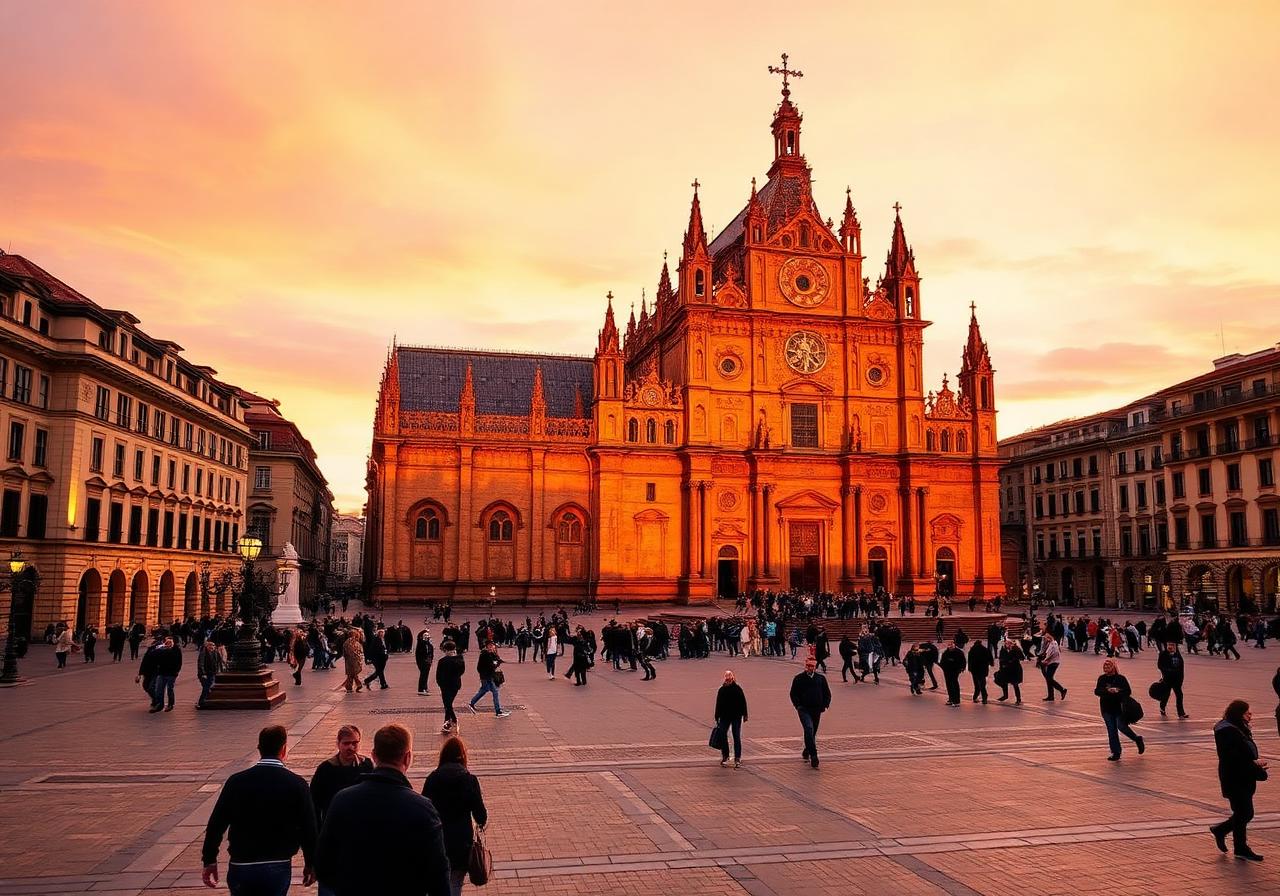
Galicia
Santiago de Compostela
The journey's end — and for many pilgrims, a new beginning.
Castilla y León
León
A spirited cathedral city marking the gateway to the final third of the Francés.
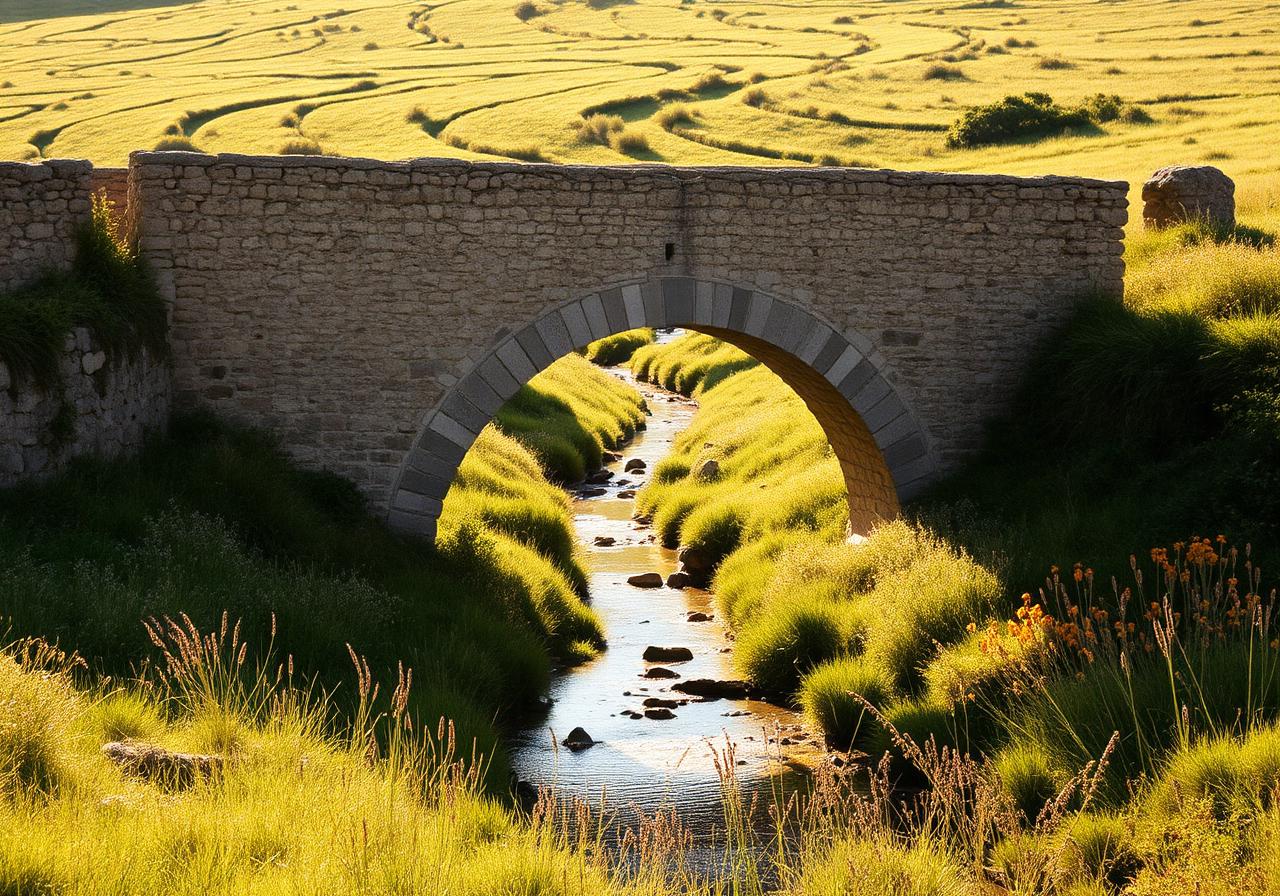
Pyrénées-Atlantiques, France
Saint-Jean-Pied-de-Port
The traditional starting point — a fortified Basque town at the foot of the Pyrenees.
Navarra
Roncesvalles
A Romanesque monastery in a Pyrenean clearing — the official Spanish start of the Francés.
León
Hospital de Órbigo
A village split by Spain's longest medieval bridge — site of the famous 1434 chivalric Paso Honroso.
Suggested stages
Related posts
Culture
history of the Camino de Santiago
From the legend of Saint James and medieval pilgrimage routes to the modern revival — a thousand-year story behind the Way of Saint James.
Practical
Camino Francés guide
Everything you need to plan the most popular Camino: 33 stages from Saint-Jean-Pied-de-Port to Santiago, with town stops, distances, and honest tips.
Food
Camino de Santiago food
From Basque pintxos to Galician pulpo, the Camino is a tour of Spain's regional cooking. Here's what to order in each region you walk through.
More posts like this
Articles that share keywords, routes, or towns with this one.
Culture
The Meaning of the Yellow Arrows on the Camino de Santiago
- 2 shared routes
- 1 shared town
Culture
Why Did Pilgrims Walk to Finisterre?
- 2 shared routes
- 1 shared town
Culture
The Cathedral of Santiago de Compostela: History and Meaning
- 2 shared routes
- 1 shared town
Culture
The Botafumeiro: History of Santiago Cathedral's Giant Incense Burner
- 2 shared routes
- 1 shared town
Read next
Culture
The Meaning of the Yellow Arrows on the Camino de Santiago
Discover the meaning of the yellow arrows on the Camino de Santiago, where they came from, and why they have become one of the most beloved symbols of The Way.
9 min read
Culture
Why Did Pilgrims Walk to Finisterre?
Discover why pilgrims walked from Santiago to Finisterre, the "end of the world," and how this Atlantic extension became one of the most meaningful parts of the Camino.
11 min read
Culture
The Cathedral of Santiago de Compostela: History and Meaning
Discover the history and meaning of the Cathedral of Santiago de Compostela, the spiritual heart of the Camino and the traditional resting place of Saint James.
13 min read
Culture
The Botafumeiro: History of Santiago Cathedral's Giant Incense Burner
Discover the history of the Botafumeiro, the giant incense burner of Santiago Cathedral, and why it has become one of the most famous traditions of the Camino de Santiago.
12 min read
Culture
How the Camino de Santiago Declined and Was Revived
Discover how the Camino de Santiago declined after the Middle Ages and how it was revived into one of the world's most famous pilgrimage routes today.
13 min read
Culture
The Camino de Santiago in Modern Times
Explore the Camino de Santiago in modern times and how an ancient pilgrimage became a global journey of faith, adventure, healing, culture, and self-discovery.
13 min read