
Culture
The Role of Monasteries and Churches Along the Camino de Santiago
Explore the role of monasteries and churches along the Camino de Santiago and how they supported pilgrims through shelter, prayer, hospitality, and history.
April 29, 2026 · 12 min read
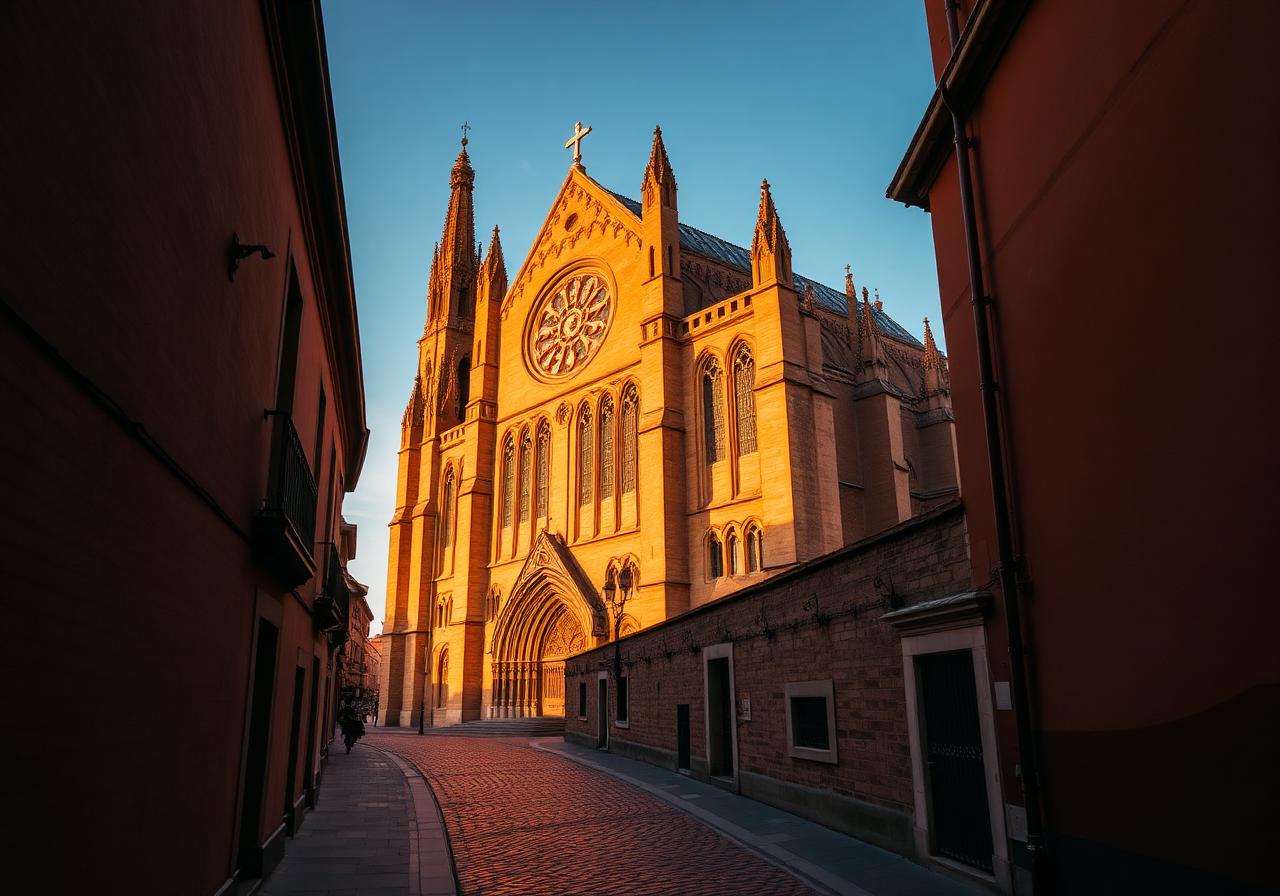
The Camino de Santiago is often described as a walking route, but historically it was also a chain of sacred places. For medieval pilgrims, churches and monasteries were not simply beautiful buildings along the road. They were places of shelter, prayer, healing, safety, food, memory, and community. They helped make the Camino possible.
Long before modern albergues, maps, apps, and cafés, pilgrims depended on religious institutions. Monasteries offered hospitality. Churches marked the rhythm of the journey. Hospitals connected to religious communities cared for the sick and exhausted. Bells, chapels, altars, cloisters, and shrines gave pilgrims moments of rest and spiritual focus. Even today, churches and monasteries remain some of the most meaningful stops on the Camino. They connect modern walkers to the centuries of pilgrims who passed through before them.
Why churches and monasteries were so important. In the Middle Ages, travel was difficult and dangerous. Roads were poor, weather could be harsh, and many pilgrims had little money. A person walking to Santiago needed more than faith. They needed food, shelter, information, medical help, and protection. Churches and monasteries helped provide these things. They served as places of prayer, landmarks along the route, shelters for travelers, centers of hospitality, places to receive blessings, sites connected to relics and miracles, hospitals for injured or sick pilgrims, and cultural and educational centers. Without this religious network, the Camino could not have grown into one of Europe's greatest pilgrimages.
Monasteries as places of hospitality. Monasteries played a major role in supporting pilgrims. Many monastic communities saw hospitality as part of their religious duty. Welcoming travelers, feeding the hungry, and caring for the sick were acts of Christian charity. Pilgrims might receive a place to sleep, a simple meal, medical attention, or spiritual support. Some monasteries had guesthouses or hospitals specifically for travelers. The quality of hospitality varied depending on the wealth and size of the monastery. Some were modest and simple. Others were powerful institutions with land, resources, and influence. But even basic shelter could mean survival for a tired medieval pilgrim.
Churches as spiritual landmarks. Churches marked the Camino in both practical and spiritual ways. In a time before modern signs and GPS, church towers could guide travelers toward towns and villages. A church often meant settlement, safety, food, and perhaps a place to rest. Spiritually, churches gave pilgrims a chance to pray, attend Mass, confess, give thanks, or ask for protection. The journey to Santiago was not only about reaching the final cathedral. It was also shaped by the many smaller sacred places along the way. Each chapel or village church could become a moment of pause on the road.
The Camino as a route of sacred architecture. Walking the Camino is like walking through centuries of religious architecture. Along the major routes, pilgrims encounter Romanesque churches, Gothic cathedrals, rural chapels, monasteries, cloisters, hermitages, and shrines. Many of these buildings were shaped by pilgrimage. Some were expanded to receive larger numbers of visitors. Others were placed along important crossings, town centers, or strategic locations. The architecture of the Camino tells the story of faith, wealth, artistic exchange, and devotion across medieval Europe. A pilgrim walking today can still see how deeply the route was influenced by religion.
Pilgrim hospitals and religious care. Many hospitals along the Camino were connected to churches, monasteries, or religious orders. In the medieval world, a hospital was often a place of hospitality rather than a modern medical center. It could provide shelter, food, rest, basic care, and spiritual comfort. Pilgrims arrived with blisters, fevers, injuries, exhaustion, infections, and hunger. Some were too weak to continue. Others needed a safe place to recover. Religious communities cared for pilgrims because hospitality was considered a sacred obligation. This tradition helped create the Camino's lasting reputation as a route of kindness and support.
Monasteries preserved knowledge and culture. Monasteries were also centers of learning and culture. Monks copied manuscripts, preserved religious texts, maintained libraries, kept records, and supported education. Along the Camino, monasteries helped transmit ideas, stories, prayers, music, and artistic styles. Pilgrims brought news and customs from distant regions. Religious communities absorbed and spread cultural influences. The Camino was not only a road for people. It was a road for knowledge. Monasteries helped make the Camino part of a wider European cultural network.
Relics and devotion along the route. Medieval pilgrims were often drawn to relics. A relic could be a bone, object, garment, or item connected to a saint. Many churches along the Camino had relics that attracted devotion. Pilgrims might stop at these places to pray, ask for healing, or honor a local saint. These stops added meaning to the journey and made the Camino more than a direct route to Santiago. The final destination was the tomb of Saint James, but the road itself contained many sacred encounters.
The great cathedrals of the Camino. Some of the most famous religious sites on the Camino are its cathedrals. On the Camino Francés, pilgrims pass through major cathedral cities such as Burgos and León before reaching Santiago. These cathedrals are not only architectural masterpieces but also reminders of how important the pilgrimage became. They offered pilgrims spiritual inspiration and reflected the wealth and influence of cities along the route. The Cathedral of Santiago de Compostela stands at the heart of the pilgrimage. Built over the traditional tomb of Saint James, it became the ultimate destination for pilgrims across Europe.
Rural churches and quiet chapels. Not every sacred place on the Camino is grand. Some of the most moving places are small rural churches and quiet chapels. These may stand in tiny villages, fields, forests, or hilltops. They offer a different kind of experience than great cathedrals. For many modern pilgrims, stepping into a simple stone chapel can be one of the most peaceful moments of the walk. These smaller churches remind us that the Camino is not only made of famous monuments. It is also made of humble places that have served travelers for generations.
Churches as community centers. In medieval towns and villages, churches were central to community life. They were places of worship, gathering, announcement, charity, celebration, and burial. For pilgrims, arriving at a church meant entering the heart of a local community. The relationship between pilgrims and local people was important. Pilgrims needed help, and communities often benefited economically and spiritually from their presence. The church connected both groups. This relationship helped keep the Camino alive across centuries.
Religious orders on the Camino. Various religious orders played roles in supporting pilgrims. Monastic communities, military orders, hospital orders, and local religious brotherhoods all contributed in different ways. Some protected roads or river crossings. Others maintained hospitals or offered shelter. The Camino was too large and complex to be supported by one group alone. Its success depended on a network of religious and charitable institutions working across regions and generations.
The role of bells, rituals, and prayer. For medieval pilgrims, religious rhythm shaped the journey. Church bells marked time. Masses structured the day. Blessings offered comfort before difficult stages. Prayers gave meaning to hardship. Pilgrimage was physical, but it was also ritualized. Today, even pilgrims who are not religious may feel the emotional power of entering old churches, hearing bells, or sitting quietly in sacred spaces. These rituals connect the modern Camino to its medieval past.
Churches and monasteries as places of safety. Safety was one of the most important functions of churches and monasteries. The medieval road could be dangerous. Pilgrims faced theft, illness, weather, injury, and isolation. Religious buildings often provided protected spaces where travelers could rest. Some monasteries and hospitals were located in difficult areas where support was especially needed, such as mountain passes or remote stretches. A church or monastery could be a sign that help was nearby. For a pilgrim, that mattered deeply.
How pilgrimage shaped church construction. The growth of pilgrimage influenced how some churches were built or adapted. Buildings that received many pilgrims needed space for movement, prayer, relic veneration, and large gatherings. Some churches developed layouts that allowed pilgrims to circulate without disrupting religious services. Architecture responded to pilgrimage. This can still be seen in major pilgrimage churches across Europe, including Santiago Cathedral. The Camino helped shape not only where churches were built, but how they functioned.
The decline and survival of religious sites. As the Camino declined in later centuries, some churches, monasteries, and hospitals lost importance. Wars, political changes, religious reforms, economic shifts, and population changes affected many institutions. Some buildings were abandoned, damaged, rebuilt, or repurposed. Others survived and remain active today. The modern revival of the Camino has brought new attention to many historic religious sites. Pilgrims now visit them not only as places of worship but also as cultural and historical landmarks.
Churches on the modern Camino. Today, churches and monasteries continue to shape the Camino experience. Some offer pilgrim blessings, Masses, quiet spaces, stamps for pilgrim passports, volunteer hospitality, or simple moments of reflection. Even for secular pilgrims, these places can be meaningful. They provide beauty, silence, history, and perspective. After hours of walking, sitting inside a cool stone church can feel like stepping out of time. The Camino may have become more international and diverse, but its religious heritage remains visible everywhere.
Why these places still matter. Churches and monasteries matter because they hold the memory of the Camino. They remind pilgrims that this path has been walked for centuries. They show the care, faith, art, and labor that previous generations gave to the route. They also remind us that the Camino was never only about individual achievement. It was built on hospitality. People walked, but others welcomed them. That relationship between traveler and host is one of the deepest traditions of the Camino.
Final thoughts. Monasteries and churches were essential to the history of the Camino de Santiago. They offered shelter, food, prayer, medical care, safety, direction, and meaning. They helped pilgrims survive the road and gave spiritual depth to the journey. They shaped towns, preserved culture, supported hospitality, and created some of the most beautiful landmarks along the Camino. For modern pilgrims, these places are more than historical sites. They are reminders that the Camino is not just a trail. It is a living path of faith, culture, kindness, and memory. Buen Camino.
Keep exploring
Next stops & related posts
Towns, stages, and stories connected to this article — your jumping-off points to plan the next stretch of the Camino.
Pilgrim guides
- All Camino routes
- Camino Francés stages
- Camino Portugués stages
- Camino del Norte stages
- Roncesvalles monastery & albergue
- Samos monastery lodging
- Foncebadón mountain albergues
- O Cebreiro pilgrim shelters
- All lodging articles
- Camino Primitivo (mountain terrain)
- Camino del Norte (coastal weather)
- Foncebadón (high pass)
- O Cebreiro (Galician mountains)
- Santiago de Compostela cathedral
- León cathedral city
- Burgos cathedral city
- Samos monastery
- Roncesvalles monastery
- O Cebreiro pre-Romanesque church
- All history articles
Towns to visit
Navarra
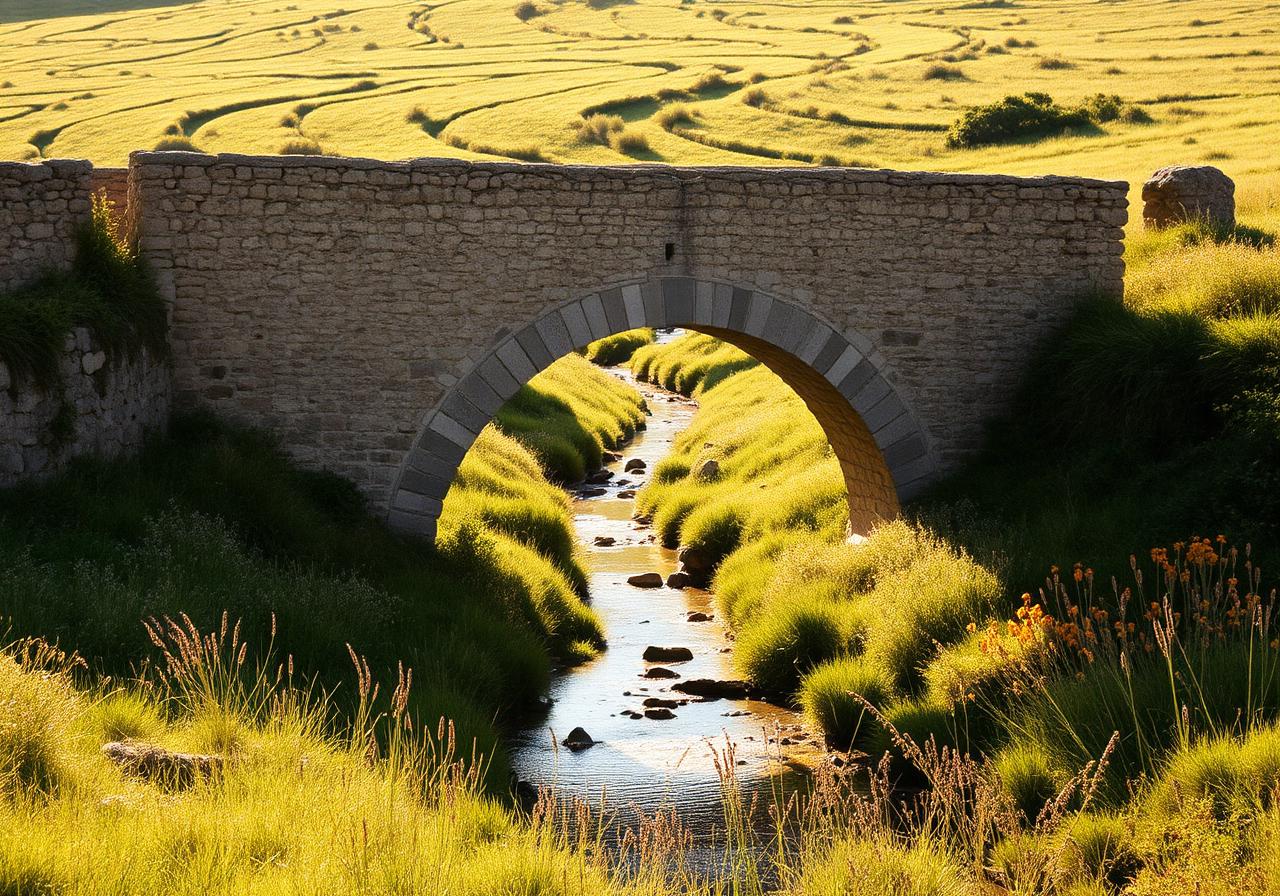
Roncesvalles
A Romanesque monastery in a Pyrenean clearing — the official Spanish start of the Francés.
Castilla y León
Burgos
Castile's medieval capital — home to one of Spain's greatest Gothic cathedrals.
León
Astorga
Roman city, Maragato heartland, and the unlikely home of a Gaudí palace.
León
Foncebadón
A near-ghost mountain village just below the Cruz de Ferro — the Camino's symbolic high point.
Lugo, Galicia
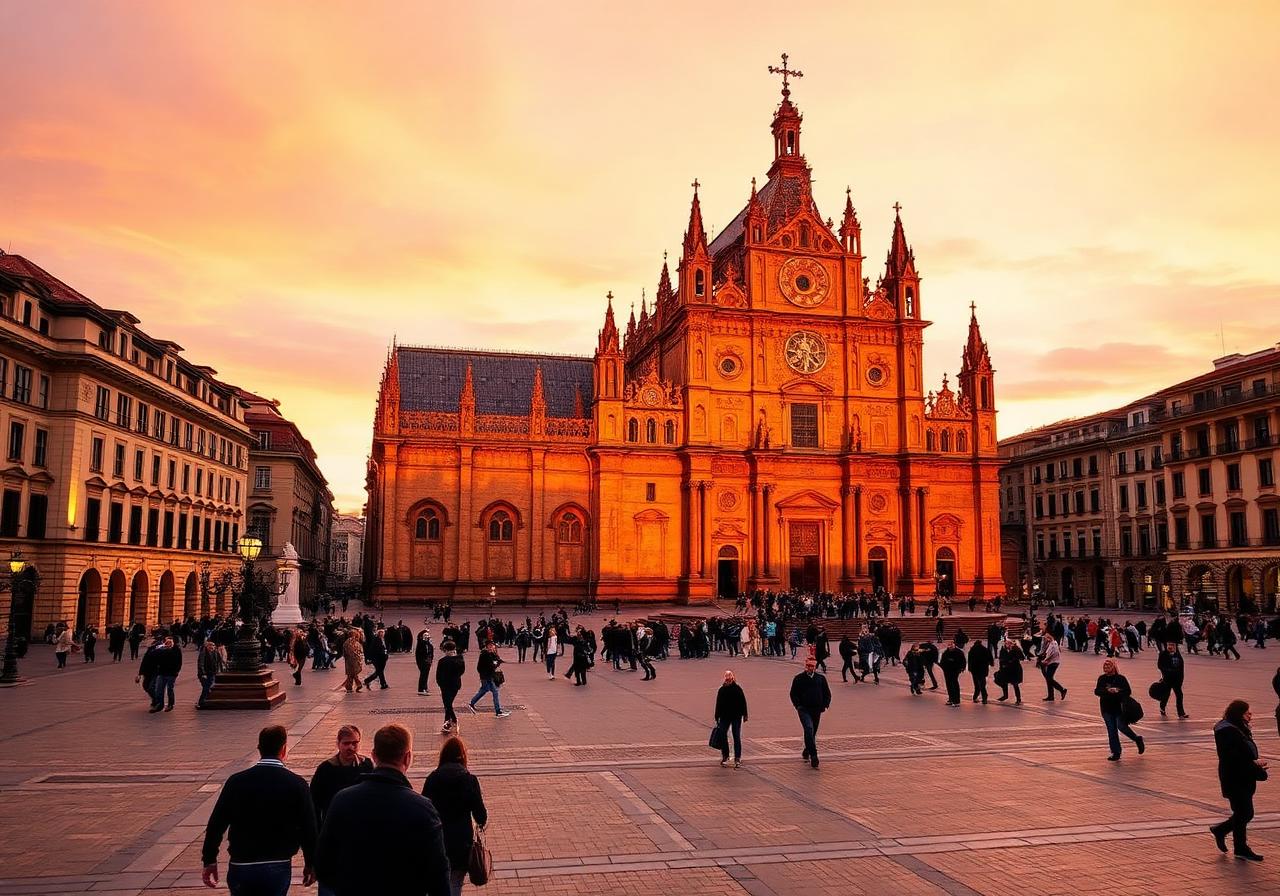
O Cebreiro
A mountain hamlet of Celtic pallozas — the dramatic doorway to Galicia.
Lugo, Galicia
Samos
Home to one of the oldest still-active monasteries in the Western world.
Galicia
Santiago de Compostela
The journey's end — and for many pilgrims, a new beginning.
Castilla y León
León
A spirited cathedral city marking the gateway to the final third of the Francés.
Suggested stages
Camino Francés · Stage 1
Saint-Jean-Pied-de-Port → Roncesvalles
25 km · 1390 m · Challenging
Camino Francés · Stage 2
Roncesvalles → Zubiri
22 km · 220 m · Moderate
Camino Francés · Stage 3
Zubiri → Pamplona
21 km · 80 m · Easy
Camino Portugués · Stage 1
Porto → Vilarinho
27 km · 320 m · Moderate
Camino Portugués · Stage 2
Vilarinho → Barcelos
30 km · 250 m · Moderate
Camino Portugués · Stage 3
Barcelos → Ponte de Lima
33 km · 300 m · Challenging
Related routes
Medieval Camino reading
The buildings that sheltered medieval pilgrims, in the wider context of the Camino's history and traditions.
Culture
The Complete History of the Camino de Santiago
From the legend of Saint James and medieval pilgrimage routes to the modern revival — a thousand-year story behind the Way of Saint James.
Culture
The Medieval Pilgrim Experience on the Camino de Santiago
Discover what life was like for medieval pilgrims walking the Camino de Santiago, from dangerous roads and simple shelters to faith, hardship, and hospitality.
Culture
The Codex Calixtinus: The First Camino Guidebook?
Learn about the Codex Calixtinus, the 12th-century manuscript often called the first Camino guidebook, and its importance in the history of the Camino de Santiago.
Culture
The History of the Camino Francés
Discover the history of the Camino Francés, the most famous route of the Camino de Santiago, from its medieval origins to its modern revival.
Culture
Who Was Saint James and Why Is He Connected to Santiago?
Learn who Saint James was, why he is connected to Santiago de Compostela, and how his legend became the foundation of the Camino de Santiago pilgrimage.
Culture
Top 10 Churches to See on the Camino Francés
From the Romanesque jewel of Eunate to the Gothic glass of León, the Francés is a moving cathedral of stone.
Related posts
Culture
history of the Camino de Santiago
From the legend of Saint James and medieval pilgrimage routes to the modern revival — a thousand-year story behind the Way of Saint James.
Culture
Camino de Santiago pilgrimage history
Discover how the Camino de Santiago grew from a local shrine in Galicia into one of medieval Europe's greatest pilgrimage routes.
Food
Camino de Santiago food
From Basque pintxos to Galician pulpo, the Camino is a tour of Spain's regional cooking. Here's what to order in each region you walk through.
More posts like this
Articles that share keywords, routes, or towns with this one.
Culture
How the Camino de Santiago Became One of Europe's Great Pilgrimages
- 3 shared routes
- 4 shared towns
Culture
The Complete History of the Camino de Santiago
- history of the Camino de Santiago
- 3 shared routes
Culture
How the Camino de Santiago Declined and Was Revived
- 3 shared routes
- 2 shared towns
Food
What to Eat on the Camino de Santiago (Regional Food Guide)
- 3 shared routes
- 2 shared towns
Read next
Culture
How the Camino de Santiago Became One of Europe's Great Pilgrimages
Discover how the Camino de Santiago grew from a local shrine in Galicia into one of medieval Europe's greatest pilgrimage routes.
14 min read
Culture
The Complete History of the Camino de Santiago
From the legend of Saint James and medieval pilgrimage routes to the modern revival — a thousand-year story behind the Way of Saint James.
14 min read
Culture
How the Camino de Santiago Declined and Was Revived
Discover how the Camino de Santiago declined after the Middle Ages and how it was revived into one of the world's most famous pilgrimage routes today.
13 min read
Food
What to Eat on the Camino de Santiago (Regional Food Guide)
From Basque pintxos to Galician pulpo, the Camino is a tour of Spain's regional cooking. Here's what to order in each region you walk through.
12 min read
Culture
Who Was Saint James and Why Is He Connected to Santiago?
Learn who Saint James was, why he is connected to Santiago de Compostela, and how his legend became the foundation of the Camino de Santiago pilgrimage.
12 min read
Culture
Why Is Santiago de Compostela Important?
Discover why Santiago de Compostela is important, from the legend of Saint James and its medieval pilgrimage history to its role as the final destination of the Camino de Santiago.
11 min read