
Culture
Who Was Saint James and Why Is He Connected to Santiago?
Learn who Saint James was, why he is connected to Santiago de Compostela, and how his legend became the foundation of the Camino de Santiago pilgrimage.
April 29, 2026 · 12 min read
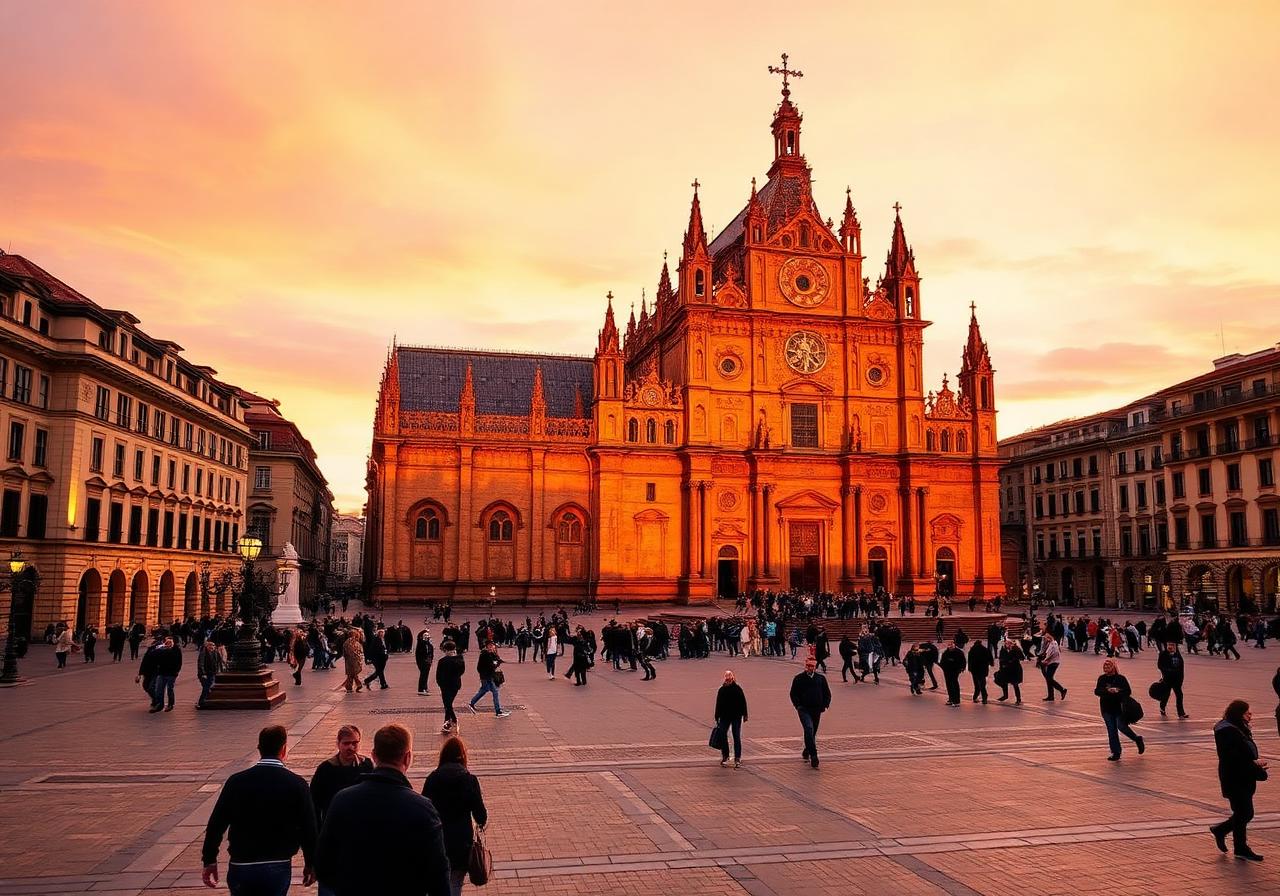
The Camino de Santiago is often called the Way of Saint James, but many people planning their first Camino do not fully know who Saint James was or why his name is connected to Santiago de Compostela.
For some pilgrims, Saint James is the religious heart of the journey. For others, he is part of the history and mystery that gives the Camino its depth. Whether you walk for faith, adventure, healing, or curiosity, understanding the story of Saint James helps explain why millions of people have walked toward Santiago for more than a thousand years.
The connection between Saint James and Santiago is a mixture of Christian tradition, medieval legend, historical debate, and cultural identity. It begins in the 1st century with one of Jesus' apostles and grows into one of the most important pilgrimage traditions in Europe.
Who was Saint James? Saint James, also known as James the Greater, was one of the twelve apostles of Jesus. He is called 'the Greater' to distinguish him from another apostle named James, often known as James the Less. James was the son of Zebedee and the brother of John, another apostle. In the New Testament, James, John, and Peter are often shown as part of Jesus' closest group of disciples.
According to Christian tradition, James witnessed important moments in the life of Jesus and later became one of the early figures in the spread of Christianity. He is usually represented as a pilgrim, apostle, or sometimes as a warrior figure in medieval Spanish iconography. But for Camino pilgrims, he is most often remembered as the saint whose supposed tomb became the destination of the Camino de Santiago.
Why is he called Saint James the Greater? The name James the Greater does not necessarily mean he was more important than the other apostle named James. It likely refers to age, height, or the need to distinguish him from James the Less. In Spanish, Saint James is known as Santiago. This is important because the city of Santiago de Compostela literally carries his name. The word 'Santiago' developed from forms of 'Sant Iago,' meaning Saint James. So when pilgrims walk to Santiago, they are walking to the city named after Saint James.
Did Saint James really preach in Spain? One of the central traditions behind the Camino says that Saint James traveled to the Iberian Peninsula to preach Christianity before returning to Jerusalem. Historically, this is difficult to prove. There is no firm contemporary evidence confirming that James preached in Spain during his lifetime. Because of this, historians often treat the story as a religious tradition rather than a confirmed historical event.
However, the tradition became deeply important in Spain's religious and cultural history. By the Middle Ages, the belief that Saint James had preached in Spain helped strengthen his connection to the Iberian Peninsula and to Santiago de Compostela. For pilgrims, this is part of the Camino's mystery: the route sits somewhere between history, faith, legend, and personal meaning.
The death of Saint James. According to the New Testament, Saint James was executed in Jerusalem by order of King Herod Agrippa I. He is generally considered the first of the apostles to be martyred. His death is usually dated to around 44 AD. This raises the question at the heart of the Camino legend: if Saint James died in Jerusalem, how did his remains end up in Galicia, in northwestern Spain?
The legend of Saint James' body coming to Galicia. According to tradition, after Saint James was executed, his disciples took his body and placed it in a stone boat. Guided by divine power, the boat crossed the Mediterranean and reached the coast of Galicia. From there, the remains were taken inland and eventually buried in the area that would become Santiago de Compostela. This story is not something historians can verify in a modern evidence-based way. But it became one of the most important legends in medieval Christian Europe. The idea that the remains of an apostle rested in Galicia gave Santiago extraordinary religious significance.
The discovery of the tomb. The next major part of the story takes place centuries later, in the 9th century. According to tradition, a hermit named Pelayo saw mysterious lights or stars shining over a field. He reported this to the local bishop, Theodomir of Iria Flavia. After investigating the site, they discovered what were believed to be the remains of Saint James. The local king, Alfonso II of Asturias, was informed and is said to have traveled to the site. This journey is often associated with the Camino Primitivo, sometimes called the Original Way. A church was built over the tomb, and the site gradually developed into Santiago de Compostela. This discovery became the foundation of the pilgrimage.
Why Santiago de Compostela became so important. In medieval Europe, pilgrimage was one of the most meaningful religious acts a person could undertake. Pilgrims traveled to holy places to seek forgiveness, healing, spiritual merit, or closeness to God. The three great Christian pilgrimage destinations were often considered Jerusalem, Rome, and Santiago de Compostela. Jerusalem was connected to the life, death, and resurrection of Jesus. Rome was connected to Saints Peter and Paul. Santiago was connected to Saint James. For Christians in medieval Europe, reaching Santiago meant arriving at one of the holiest places in the known world.
Saint James and the rise of the Camino. Once the tomb of Saint James became known, pilgrims began traveling from across Europe. Over time, routes developed through France, northern Spain, Portugal, and beyond. Monasteries, churches, bridges, hospitals, and towns grew along these routes to support pilgrims. The Camino became not only a religious journey but also a cultural and economic network. The popularity of Saint James helped transform Santiago from a remote settlement into one of the most important cities in medieval Europe. Without the story of Saint James, the Camino de Santiago as we know it would not exist.
The meaning of 'the Way of Saint James.' The English name Way of Saint James reflects the original purpose of the pilgrimage: walking toward the tomb of Saint James. But the meaning of the Camino has expanded over time. Today, many pilgrims are not strictly religious. Some walk for spiritual reasons, some for adventure, some for grief, some for healing, and some simply because they feel called to go. Even so, the presence of Saint James remains woven into the route. His name appears in churches, statues, symbols, pilgrim traditions, and the final destination itself.
Saint James as a pilgrim symbol. In art and sculpture, Saint James is often shown dressed as a pilgrim. He may carry a staff, wear a broad-brimmed hat, and display a scallop shell. This image connects the saint directly to the pilgrims who walk to his shrine. The scallop shell became one of the most famous Camino symbols. Pilgrims wear it on backpacks, carry it as a sign of their journey, and see it carved into stones, churches, and markers along the way. Saint James is not only the destination — in a symbolic sense, he is also imagined as a fellow pilgrim.
Saint James the warrior: a complicated image. Another medieval image of Saint James is Santiago Matamoros, or Saint James the Moor-slayer. This representation shows him as a warrior figure connected to battles during the Reconquista, the long period in which Christian kingdoms in the Iberian Peninsula fought Muslim-ruled territories. This image became powerful in medieval Spain, but it is also one of the more complicated and uncomfortable parts of Saint James' legacy. Modern pilgrims should understand that the Camino's history includes both beauty and complexity. Today, many people prefer to focus on Saint James as a pilgrim, apostle, and symbol of journey rather than as a warrior figure.
Is the story historically proven? The connection between Saint James and Santiago de Compostela is based largely on tradition and medieval belief, not modern historical proof. Historians debate whether Saint James ever preached in Spain and whether the remains in Santiago can truly be identified as his. From a strictly historical perspective, there are many unanswered questions. But pilgrimage is not built only on evidence. It is built on meaning. For over a thousand years, people have walked to Santiago because the story mattered to them. The legend of Saint James created a destination, and the journey to that destination changed countless lives.
Why Saint James still matters to pilgrims today. Even for non-religious pilgrims, Saint James gives the Camino historical depth. His story explains why the route exists, why Santiago became sacred, and why so many churches, towns, and symbols line the way. For religious pilgrims, Saint James may represent faith, intercession, devotion, and the long Christian tradition of pilgrimage. For spiritual or secular pilgrims, he may represent the idea of walking toward transformation, even when the destination is uncertain. In that sense, Saint James remains at the heart of the Camino — not only as a saint, but as a symbol of movement, faith, mystery, and arrival.
Final thoughts. Saint James is the figure at the center of the Camino de Santiago. According to Christian tradition, he was one of Jesus' apostles, preached in Spain, was martyred in Jerusalem, and was later buried in Galicia. Whether approached as faith, legend, or history, his story gave birth to one of the world's most famous pilgrimage routes. The Camino continues because people still feel drawn to the journey. They follow yellow arrows, carry scallop shells, cross mountains and plains, and eventually arrive in Santiago de Compostela — the city named for Saint James. For some, the journey is religious. For others, it is personal. But every pilgrim who walks the Camino becomes part of the long story that began with Santiago. Buen Camino.
Keep exploring
Next stops & related posts
Towns, stages, and stories connected to this article — your jumping-off points to plan the next stretch of the Camino.
Pilgrim guides
- Roncesvalles monastery & albergue
- Samos monastery lodging
- Foncebadón mountain albergues
- O Cebreiro pilgrim shelters
- All lodging articles
- Compare all routes
- Camino Francés overview
- Camino Inglés (shorter option)
- All planning articles
- Santiago de Compostela cathedral
- León cathedral city
- Burgos cathedral city
- Samos monastery
- Roncesvalles monastery
- O Cebreiro pre-Romanesque church
- All history articles
Towns to visit
Suggested stages
Camino Francés · Stage 33
O Pedrouzo → Santiago de Compostela
20 km · 240 m · Moderate
Camino Portugués · Stage 11
Padrón → Santiago de Compostela
25 km · 280 m · Moderate
Camino del Norte · Stage 1
Irún → San Sebastián
24 km · 700 m · Challenging
Camino del Norte · Stage 2
San Sebastián → Zarautz
22 km · 580 m · Challenging
Camino del Norte · Stage 3
Zarautz → Deba
22 km · 750 m · Challenging
Camino Primitivo · Stage 14
O Pedrouzo → Santiago de Compostela
20 km · 280 m · Moderate
Related routes
More on Saint James & Santiago
The apostle, the tomb, and the city at the centre of every Camino route.
Culture
The Discovery of Saint James' Tomb
Learn the story behind the discovery of Saint James' tomb in Santiago de Compostela and how this legend became the foundation of the Camino de Santiago pilgrimage.
Culture
Why Is Santiago de Compostela Important?
Discover why Santiago de Compostela is important, from the legend of Saint James and its medieval pilgrimage history to its role as the final destination of the Camino de Santiago.
Culture
The Complete History of the Camino de Santiago
From the legend of Saint James and medieval pilgrimage routes to the modern revival — a thousand-year story behind the Way of Saint James.
Culture
Why Do Pilgrims Carry a Scallop Shell on the Camino de Santiago?
Discover the meaning of the Camino scallop shell, why pilgrims carry it, and how it became one of the most powerful symbols of the Camino de Santiago.
Culture
The Medieval Pilgrim Experience on the Camino de Santiago
Discover what life was like for medieval pilgrims walking the Camino de Santiago, from dangerous roads and simple shelters to faith, hardship, and hospitality.
Culture
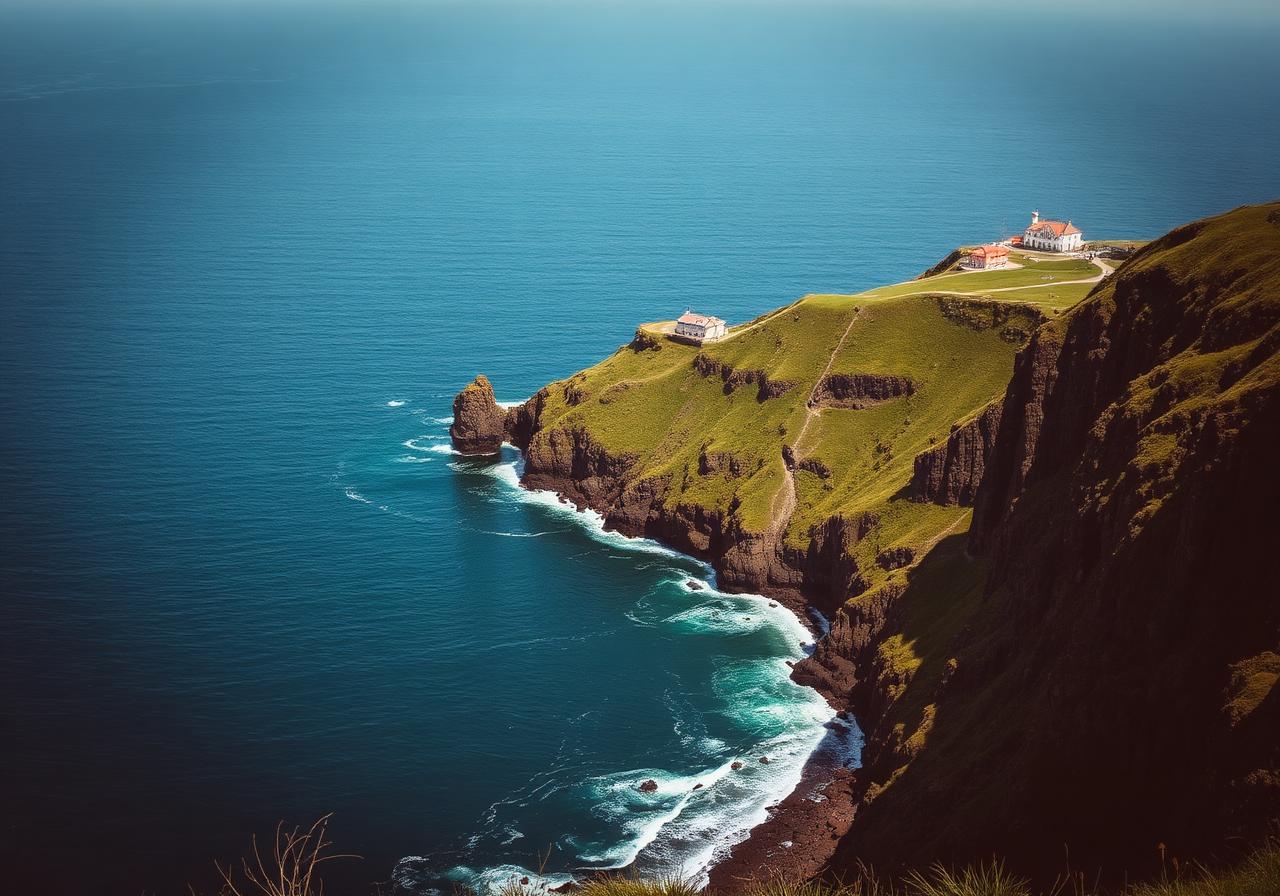
Why Did Pilgrims Walk to Finisterre?
Discover why pilgrims walked from Santiago to Finisterre, the "end of the world," and how this Atlantic extension became one of the most meaningful parts of the Camino.
Related posts
Culture
tomb of Saint James
Learn the story behind the discovery of Saint James' tomb in Santiago de Compostela and how this legend became the foundation of the Camino de Santiago pilgrimage.
Culture
Camino yellow arrows meaning
Discover the meaning of the yellow arrows on the Camino de Santiago, where they came from, and why they have become one of the most beloved symbols of The Way.
Culture
Why Did Pilgrims Walk to Finisterre?
Discover why pilgrims walked from Santiago to Finisterre, the "end of the world," and how this Atlantic extension became one of the most meaningful parts of the Camino.
More posts like this
Articles that share keywords, routes, or towns with this one.
Culture
The Meaning of the Yellow Arrows on the Camino de Santiago
- 4 shared routes
- 1 shared town
Culture
Why Did Pilgrims Walk to Finisterre?
- 4 shared routes
- 1 shared town
Culture
How the Camino de Santiago Declined and Was Revived
- 4 shared routes
- 1 shared town
Culture
The Camino de Santiago in Modern Times
- 4 shared routes
- 1 shared town
Read next
Culture
The Meaning of the Yellow Arrows on the Camino de Santiago
Discover the meaning of the yellow arrows on the Camino de Santiago, where they came from, and why they have become one of the most beloved symbols of The Way.
9 min read
Culture
Why Did Pilgrims Walk to Finisterre?
Discover why pilgrims walked from Santiago to Finisterre, the "end of the world," and how this Atlantic extension became one of the most meaningful parts of the Camino.
11 min read
Culture
How the Camino de Santiago Declined and Was Revived
Discover how the Camino de Santiago declined after the Middle Ages and how it was revived into one of the world's most famous pilgrimage routes today.
13 min read
Culture
The Camino de Santiago in Modern Times
Explore the Camino de Santiago in modern times and how an ancient pilgrimage became a global journey of faith, adventure, healing, culture, and self-discovery.
13 min read
Culture
Why the Camino de Santiago Still Matters Today
Discover why the Camino de Santiago still matters today and why this ancient pilgrimage continues to attract modern walkers seeking meaning, healing, adventure, and connection.
13 min read
Culture
Why Is Santiago de Compostela Important?
Discover why Santiago de Compostela is important, from the legend of Saint James and its medieval pilgrimage history to its role as the final destination of the Camino de Santiago.
11 min read