
Culture
The Medieval Pilgrim Experience on the Camino de Santiago
Discover what life was like for medieval pilgrims walking the Camino de Santiago, from dangerous roads and simple shelters to faith, hardship, and hospitality.
April 29, 2026 · 13 min read
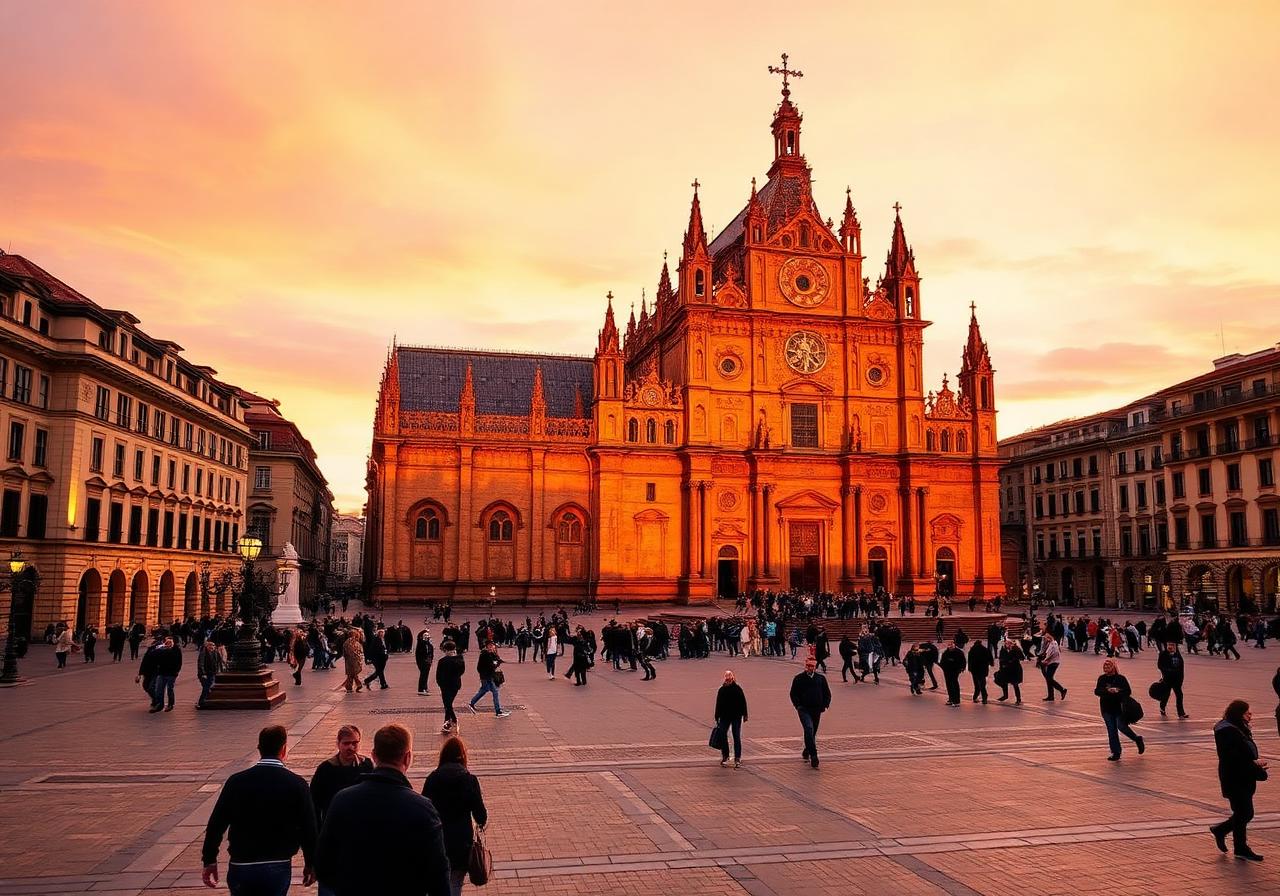
Today, walking the Camino de Santiago can be difficult. Pilgrims deal with blisters, sore feet, rain, heat, long distances, and mental fatigue. But compared to the medieval pilgrim experience, the modern Camino is far more comfortable and predictable.
In the Middle Ages, walking to Santiago de Compostela was a serious undertaking. Pilgrims traveled on rough roads, often without accurate maps, modern footwear, weatherproof gear, medical care, or guaranteed accommodation. They faced hunger, illness, injury, thieves, wild animals, political instability, and the possibility of never returning home. And yet, they walked.
Medieval pilgrims walked because they believed the journey mattered. For many, the Camino was an act of faith, penance, devotion, gratitude, or hope. It was a physical journey toward the tomb of Saint James, but also a spiritual journey through suffering, humility, and transformation. Understanding the medieval pilgrim experience helps modern walkers appreciate the deep history beneath every step on the Camino.
Why medieval pilgrims walked the Camino. Most medieval pilgrims walked the Camino for religious reasons. Some walked to seek forgiveness for sins. Others walked to fulfill a vow, give thanks for surviving illness or danger, pray for healing, or ask for spiritual help. In some cases, pilgrimage was assigned as a form of penance by Church authorities. A journey to Santiago was believed to hold spiritual value because the city was associated with the tomb of Saint James the Apostle. For a medieval Christian, reaching Santiago was not simply travel — it was an act of devotion. But motivations were not always simple. Some pilgrims may also have been drawn by adventure, curiosity, escape, trade, social pressure, or the desire to see the wider world. Just like today, people likely walked for many reasons at once.
Leaving home was a major decision. For a medieval person, leaving home to walk the Camino was a serious and risky decision. Travel was slow and uncertain. Many people had never been far from their village or region. A pilgrimage could take months or even years, depending on where the pilgrim started. Before leaving, pilgrims often made practical and spiritual preparations. Some settled debts, arranged care for family or property, made wills, confessed sins, or received a blessing. There was no guarantee they would return. To become a pilgrim was to step outside normal life and enter a world of uncertainty.
What medieval pilgrims wore. Medieval pilgrims were often recognized by their clothing and equipment. A typical pilgrim might carry a staff, a small bag or scrip, a cloak, a broad-brimmed hat, a water container, a scallop shell, and simple sandals or shoes. The staff helped with walking and protection. The cloak provided warmth and shelter. The bag carried food, coins, documents, or religious items. The shell became a sign that the pilgrim was connected to the journey to Santiago. This clothing was practical, but it was also symbolic. It showed that the traveler was a pilgrim, not just an ordinary wanderer.
The scallop shell as a pilgrim symbol. The scallop shell became one of the most famous symbols of the Camino. Medieval pilgrims may have collected shells near the Galician coast after reaching Santiago or continuing to Finisterre. The shell could serve as a sign that the pilgrimage had been completed. Over time, pilgrims began wearing the shell while walking. It marked them as travelers on the Way of Saint James. The shell also carried deeper symbolism. Its lines can be seen as many roads converging toward one point, just as many Camino routes lead to Santiago. For medieval pilgrims, the shell was both a badge of identity and a sign of devotion.
Roads were difficult and dangerous. Medieval Camino routes were not the well-marked paths modern pilgrims know today. Roads could be muddy, rocky, flooded, or poorly maintained. River crossings were dangerous where bridges did not exist. Forests and mountain passes could be difficult and frightening. Weather made everything harder. Rain could turn roads into mud. Snow could block mountain routes. Summer heat could cause dehydration and exhaustion. Travelers also faced bandits and thieves. Pilgrims were sometimes vulnerable because they carried money, food, or religious offerings and were far from home. Walking the Camino required courage as well as faith.
Finding the way. Modern pilgrims follow yellow arrows, guidebooks, GPS apps, and route signs. Medieval pilgrims had far fewer tools. They relied on local knowledge, other pilgrims, monasteries, road networks, church towers, river crossings, and word of mouth. Some written guides existed, such as the famous Codex Calixtinus, but most pilgrims likely depended on people they met along the route. This meant that the Camino was not always a single fixed trail. Routes could shift depending on safety, weather, bridges, politics, local advice, or available shelter. The medieval Camino was more fluid and uncertain than the modern route.
Where medieval pilgrims slept. Accommodation for medieval pilgrims varied widely. Some slept in monasteries, churches, pilgrim hospitals, inns, barns, private homes, or outdoors. Religious institutions played a major role in offering hospitality. A medieval 'hospital' did not always mean a medical hospital in the modern sense. It was often a place that provided shelter, food, rest, and care for travelers, especially the poor and sick. Some pilgrim hospitals were simple and crowded. Others were better organized and supported by wealthy patrons or religious orders. Sleeping conditions were often uncomfortable. Pilgrims might share space with strangers, animals, insects, and illness. Still, shelter could mean survival.
Food on the medieval Camino. Food was simple and uncertain. Pilgrims might eat bread, cheese, beans, porridge, vegetables, fish, wine, or whatever they could buy, receive, or carry. Wealthier pilgrims had more options. Poor pilgrims often depended on charity. Monasteries and hospitals sometimes provided meals. Town markets and inns offered food to those who could pay. Hunger was a real risk, especially in remote areas or during bad weather. Pilgrims had to plan carefully, but planning was difficult without modern maps, shops, or schedules. A shared meal was not just nourishment — it was a moment of rest, community, and gratitude.
Illness and injury. Medieval pilgrims faced many health risks. Blisters, infected wounds, exhaustion, dehydration, digestive illness, fever, broken bones, and exposure could all become serious. Medical knowledge was limited, and treatment varied greatly. A minor injury could become life-threatening if it prevented a pilgrim from walking or reaching shelter. Pilgrim hospitals offered care, but they were not modern clinics. Treatment might include rest, herbs, prayer, basic wound care, food, or spiritual comfort. Illness was one reason some pilgrims never completed the journey.
The role of monasteries and churches. Monasteries and churches were essential to the medieval Camino. They offered spiritual support, practical help, shelter, food, and sometimes medical care. They also served as landmarks and centers of safety. Pilgrims could pray, attend Mass, confess, receive blessings, or honor relics along the way. The Camino was not only a road between towns. It was a chain of sacred spaces. For many medieval pilgrims, these stops gave meaning to the hardship of the journey.
Pilgrim hospitals and hospitality. Hospitality was one of the defining features of the medieval Camino. Pilgrim hospitals were founded by kings, nobles, bishops, monasteries, and charitable communities. Their purpose was to care for travelers, especially those walking for religious reasons. Some hospitals became famous and well-supported. Others were small and basic. This tradition of caring for pilgrims helped the Camino grow. It also shaped the identity of the route as a place where strangers were expected to help one another. Modern albergues continue part of this tradition.
Traveling alone or in groups. Some medieval pilgrims traveled alone, but many likely walked in groups for safety and companionship. Traveling with others offered protection from thieves, help during illness, shared knowledge, and emotional support. Groups could form naturally along the way, much like they do today. The Camino has always created temporary communities. Strangers meet, walk together, share hardship, and often form deep bonds quickly. That part of the Camino experience may not have changed much over the centuries.
Language and cultural exchange. The medieval Camino brought together people from many regions and languages. Pilgrims from France, Italy, England, Ireland, Germany, Portugal, Scandinavia, and other places traveled toward Santiago. Along the route, they encountered local communities with different customs, dialects, foods, and traditions. This made the Camino a major channel of cultural exchange. Songs, stories, religious ideas, architectural styles, trade goods, and news traveled with pilgrims. In this way, the Camino helped connect medieval Europe.
Fear, faith, and uncertainty. A medieval pilgrimage was filled with uncertainty. Pilgrims did not know exactly where they would sleep, whether they would find food, whether they would survive illness, or whether they would safely return home. This uncertainty was part of the spiritual meaning of the journey. Pilgrims had to surrender control. They had to rely on faith, charity, endurance, and the kindness of others. For some, the hardship itself was part of the prayer. The Camino was not meant to be easy. Its difficulty gave it meaning.
Reaching Santiago. Arriving in Santiago de Compostela must have been an overwhelming experience for medieval pilgrims. After weeks or months of walking, the pilgrim finally reached the city connected to Saint James. The cathedral, the tomb, the crowds, the rituals, and the sound of bells would have marked the completion of a profound journey. Pilgrims might pray at the tomb, attend services, give thanks, fulfill vows, or seek proof of completion. For many, reaching Santiago was one of the defining moments of their lives.
Returning home. The medieval Camino did not end in Santiago for everyone. Pilgrims still had to return home, often by walking. The return journey could be just as dangerous and exhausting as the way there. Some continued to the coast, possibly to Finisterre or Muxía. Others stayed in Santiago for a time. Some may have died along the route or chosen not to return. For those who did return, they brought back stories, shells, memories, and a changed identity. They had become pilgrims.
How the medieval experience still echoes today. Modern pilgrims have better shoes, lighter backpacks, guide apps, marked trails, weather forecasts, medical care, and regular accommodation. But many parts of the medieval experience still echo today. Pilgrims still deal with pain, uncertainty, exhaustion, and vulnerability. They still rely on strangers. They still find meaning in walking. They still gather around shared tables. They still arrive in Santiago changed by the journey. The Camino is easier now, but it still carries the spirit of pilgrimage.
Final thoughts. The medieval pilgrim experience on the Camino de Santiago was difficult, dangerous, and deeply meaningful. Pilgrims walked through hunger, illness, rough roads, bad weather, and uncertainty because they believed the journey mattered. They were supported by monasteries, churches, hospitals, and the kindness of strangers. They traveled not only across land but through fear, faith, hardship, and hope. Today's Camino is different, but every modern pilgrim walks in the footsteps of those who came before. The yellow arrows may be newer. The backpacks may be lighter. The shoes may be better. But the heart of the journey remains the same. Buen Camino.
Keep exploring
Next stops & related posts
Towns, stages, and stories connected to this article — your jumping-off points to plan the next stretch of the Camino.
Pilgrim guides
- Roncesvalles monastery & albergue
- Samos monastery lodging
- Foncebadón mountain albergues
- O Cebreiro pilgrim shelters
- All lodging articles
- Camino Primitivo (mountain terrain)
- Camino del Norte (coastal weather)
- Foncebadón (high pass)
- O Cebreiro (Galician mountains)
- Compare all routes
- Camino Francés overview
- Camino Inglés (shorter option)
- All planning articles
- Santiago de Compostela cathedral
- León cathedral city
- Burgos cathedral city
- Samos monastery
- Roncesvalles monastery
- O Cebreiro pre-Romanesque church
- All history articles
Towns to visit
Suggested stages
Camino Francés · Stage 33
O Pedrouzo → Santiago de Compostela
20 km · 240 m · Moderate
Camino Portugués · Stage 11
Padrón → Santiago de Compostela
25 km · 280 m · Moderate
Camino del Norte · Stage 1
Irún → San Sebastián
24 km · 700 m · Challenging
Camino del Norte · Stage 2
San Sebastián → Zarautz
22 km · 580 m · Challenging
Camino del Norte · Stage 3
Zarautz → Deba
22 km · 750 m · Challenging
Related routes
Medieval Camino reading
Daily life, dangers, and rituals of the pilgrims who walked the Camino in the Middle Ages.
Culture
The Complete History of the Camino de Santiago
From the legend of Saint James and medieval pilgrimage routes to the modern revival — a thousand-year story behind the Way of Saint James.
Culture
The Role of Monasteries and Churches Along the Camino de Santiago
Explore the role of monasteries and churches along the Camino de Santiago and how they supported pilgrims through shelter, prayer, hospitality, and history.
Culture
The Codex Calixtinus: The First Camino Guidebook?
Learn about the Codex Calixtinus, the 12th-century manuscript often called the first Camino guidebook, and its importance in the history of the Camino de Santiago.
Culture
Why Do Pilgrims Carry a Scallop Shell on the Camino de Santiago?
Discover the meaning of the Camino scallop shell, why pilgrims carry it, and how it became one of the most powerful symbols of the Camino de Santiago.
Culture
The Meaning of the Yellow Arrows on the Camino de Santiago
Discover the meaning of the yellow arrows on the Camino de Santiago, where they came from, and why they have become one of the most beloved symbols of The Way.
Culture
The History of the Camino Inglés
Discover the history of the Camino Inglés, the English Way to Santiago de Compostela, used by medieval pilgrims arriving by sea from England, Ireland, and northern Europe.
Related posts
Culture
tomb of Saint James
Learn the story behind the discovery of Saint James' tomb in Santiago de Compostela and how this legend became the foundation of the Camino de Santiago pilgrimage.
Practical
how long does the Camino take
Realistic timelines for every major Camino route, with daily distance averages and tips for fitting it into a working life.
Food
Camino de Santiago food
From Basque pintxos to Galician pulpo, the Camino is a tour of Spain's regional cooking. Here's what to order in each region you walk through.
More posts like this
Articles that share keywords, routes, or towns with this one.
Culture
The Discovery of Saint James' Tomb
- tomb of Saint James
- 3 shared routes
Culture
Who Was Saint James and Why Is He Connected to Santiago?
- 3 shared routes
- 1 shared town
Culture
Why Is Santiago de Compostela Important?
- 3 shared routes
- 1 shared town
Culture
How the Camino de Santiago Became One of Europe's Great Pilgrimages
- 3 shared routes
- 1 shared town
Read next
Culture
Who Was Saint James and Why Is He Connected to Santiago?
Learn who Saint James was, why he is connected to Santiago de Compostela, and how his legend became the foundation of the Camino de Santiago pilgrimage.
12 min read
Culture
Why Is Santiago de Compostela Important?
Discover why Santiago de Compostela is important, from the legend of Saint James and its medieval pilgrimage history to its role as the final destination of the Camino de Santiago.
11 min read
Culture
The Discovery of Saint James' Tomb
Learn the story behind the discovery of Saint James' tomb in Santiago de Compostela and how this legend became the foundation of the Camino de Santiago pilgrimage.
12 min read
Culture
How the Camino de Santiago Became One of Europe's Great Pilgrimages
Discover how the Camino de Santiago grew from a local shrine in Galicia into one of medieval Europe's greatest pilgrimage routes.
14 min read
Culture
The Role of Monasteries and Churches Along the Camino de Santiago
Explore the role of monasteries and churches along the Camino de Santiago and how they supported pilgrims through shelter, prayer, hospitality, and history.
12 min read
Culture
Why Do Pilgrims Carry a Scallop Shell on the Camino de Santiago?
Discover the meaning of the Camino scallop shell, why pilgrims carry it, and how it became one of the most powerful symbols of the Camino de Santiago.
10 min read