
Culture
The History of the Camino Inglés
Discover the history of the Camino Inglés, the English Way to Santiago de Compostela, used by medieval pilgrims arriving by sea from England, Ireland, and northern Europe.
April 29, 2026 · 12 min read
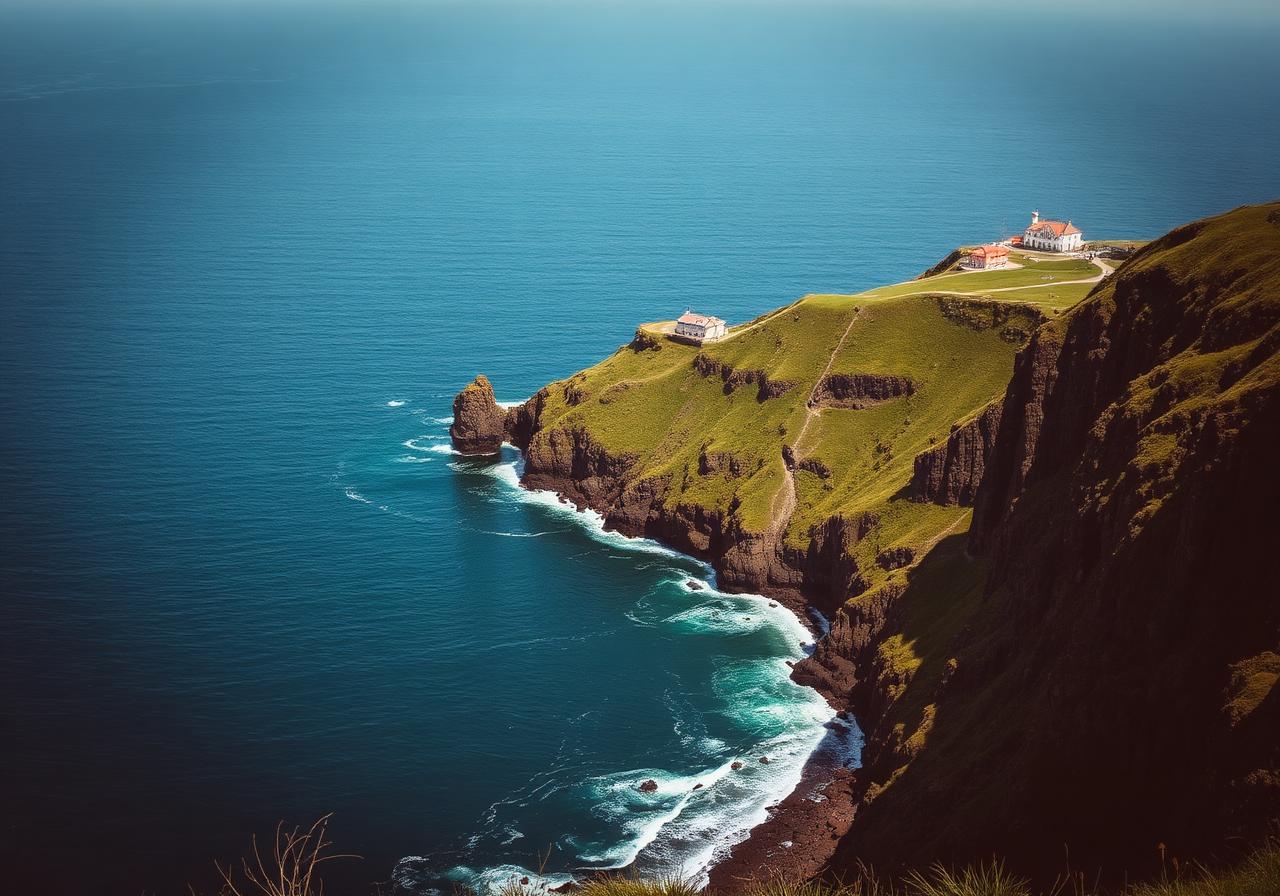
The Camino Inglés, or English Way, is one of the shortest major Camino routes, but its history is rich and distinctive. Unlike routes that begin far inland and cross hundreds of kilometers, the Camino Inglés developed as a route for pilgrims who arrived by sea. Medieval travelers from England, Ireland, Scotland, Scandinavia, Flanders, and other northern regions sailed to the Galician coast before continuing on foot to Santiago de Compostela.
Today, most pilgrims walk the Camino Inglés from Ferrol to Santiago, a route of about 120 kilometers. Its shorter distance makes it attractive for modern walkers with limited time, but its history reaches back to the medieval maritime world of Atlantic Europe. The English Way reminds us that the Camino was never only a road. It was also connected to the sea.
What is the Camino Inglés? The Camino Inglés is a Camino de Santiago route in Galicia, northwestern Spain. The two traditional starting points are Ferrol and A Coruña. From Ferrol, the route is long enough to meet the usual minimum walking distance for receiving the Compostela certificate. From A Coruña, the route is shorter, although there are special cases and historical considerations connected to that starting point. The Camino Inglés passes through towns and landscapes such as Neda, Pontedeume, Betanzos, Hospital de Bruma, Sigüeiro, and finally Santiago de Compostela. Compared with longer routes like the Camino Francés or Camino del Norte, the Camino Inglés is compact. But historically, it was the final walking stage of a much longer journey that often began across the sea.
Why is it called the English Way? The route is called the Camino Inglés because it was strongly associated with English pilgrims. During the Middle Ages, many pilgrims from England traveled by ship to Galicia and then walked to Santiago. But the route was not used only by English travelers. Pilgrims from Ireland, Scotland, Wales, Scandinavia, Flanders, and other northern European regions also used sea routes to reach Galicia. The name 'English Way' reflects the importance of English-speaking and northern European pilgrims in the history of this route.
Pilgrimage by sea. For many medieval pilgrims, traveling by sea was faster than walking across the entire continent. A pilgrim from England or Ireland could sail to the Galician coast, land at a port such as A Coruña or Ferrol, and then walk inland to Santiago. This avoided the long overland journey through France and northern Spain. Sea travel was not easy or safe. Medieval ships faced storms, poor navigation, piracy, illness, and unpredictable conditions. But for some pilgrims, it was still a practical option. The Camino Inglés developed because the sea connected northern Europe to Galicia.
A Coruña and Ferrol as pilgrim ports. A Coruña and Ferrol became important arrival points for pilgrims traveling by sea. A Coruña was a major medieval port and one of the most historically important landing places for northern pilgrims. Ferrol also became an important harbor and is now the most common starting point for modern Camino Inglés pilgrims. Once pilgrims reached land, they still had to walk to Santiago. The route from the ports to Compostela became the Camino Inglés. These ports show how pilgrimage depended on geography, trade, shipping, and coastal connections.
English pilgrims in the Middle Ages. English pilgrims were among the most visible groups on this route. Some traveled individually. Others may have joined organized groups or traveled with merchants, sailors, clergy, or nobles. Pilgrimage was a major part of medieval religious life, and Santiago was one of the great destinations. The journey from England to Santiago could be an act of devotion, penance, thanksgiving, or hope. For some, it may also have been an adventure into a wider world. Records show that English pilgrimage to Santiago was significant enough to leave a strong mark on the route's identity.
Irish and northern European pilgrims. Although the route is called the English Way, Irish and other northern European pilgrims also played an important role. Ireland had strong traditions of pilgrimage and monastic travel. Pilgrims from Ireland could sail to Galicia and continue to Santiago overland. Travelers from Scotland, Scandinavia, and other Atlantic regions also used maritime routes. The Camino Inglés was therefore part of a broader northern European pilgrimage network. Its history belongs not only to England but to the Atlantic world.
The role of trade and shipping. Pilgrimage routes often followed trade routes, and the Camino Inglés is a perfect example. Ships carrying goods, merchants, sailors, and travelers connected northern Europe with Galicia. Pilgrims used these same maritime networks. Ports were places of exchange. People, stories, money, food, goods, and religious ideas moved through them. The Camino Inglés grew because maritime trade made travel possible. In this sense, the route shows how pilgrimage and commerce were often connected.
The journey inland to Santiago. After arriving by sea, pilgrims walked inland from the coast toward Santiago de Compostela. The route passed through small towns, rural landscapes, forests, river crossings, and places of rest. Like other Camino routes, it depended on hospitality and local support. Pilgrims needed food, lodging, churches, and safe roads. The final walk to Santiago may have been shorter than other Camino routes, but it still carried spiritual meaning. After a dangerous sea crossing, the overland journey marked the final approach to the tomb of Saint James.
Betanzos and the historic route. Betanzos is one of the most important towns on the Camino Inglés. Historically, it was a significant medieval town with churches, streets, and services for travelers. Its location made it a natural stop on the route inland from the coast. For modern pilgrims, Betanzos remains one of the highlights of the Camino Inglés. It reflects the route's connection to medieval Galicia and the practical needs of pilgrims moving toward Santiago.
Hospital de Bruma and pilgrim care. Hospital de Bruma is one of the most historically meaningful places on the Camino Inglés. Its name reflects the tradition of pilgrim hospitals, places that offered care, shelter, food, and rest to travelers. Medieval hospitals were often religious or charitable institutions, not hospitals in the modern medical sense. For pilgrims who had arrived by sea and were walking inland, places like Hospital de Bruma were essential. They show how the English Way, like other Camino routes, depended on hospitality.
Santiago as the final destination. The Camino Inglés ends in Santiago de Compostela, at the cathedral traditionally associated with the tomb of Saint James. For medieval pilgrims from England, Ireland, or northern Europe, arriving in Santiago meant completing a major journey that combined sea travel and walking. The arrival would have been emotional and spiritually significant. Pilgrims might attend services, pray at the tomb, give thanks for safe arrival, and receive recognition of their journey. The destination was the same as other routes, but the way of reaching it was unique.
Why the Camino Inglés was practical. The Camino Inglés was practical because it reduced the amount of overland walking required for pilgrims from northern Europe. Instead of walking across France and Spain, pilgrims could sail closer to Santiago and complete the final section on foot. This was especially useful for people with limited time, health concerns, or practical constraints. But practical did not mean easy. The sea journey could be dangerous, and the walking route still required effort. The English Way offered a different kind of pilgrimage challenge.
Political and religious changes. The popularity of English pilgrimage to Santiago changed over time. In the later Middle Ages and early modern period, political and religious shifts affected pilgrimage patterns. The Protestant Reformation, changing relations between England and Catholic Spain, wars, and maritime conflict reduced the flow of English pilgrims to Santiago. As pilgrimage declined in parts of Europe, the Camino Inglés became less prominent. The route did not disappear completely, but it lost much of its medieval international character.
Decline of the Camino Inglés. Like many Camino routes, the Camino Inglés declined after the medieval period. As sea travel, politics, and religious practices changed, fewer pilgrims followed the old maritime route to Santiago. Some local memory remained, but the route was no longer one of the major active international pilgrimage corridors. For centuries, it was quieter and less widely known than the Camino Francés. Its revival would come much later.
The modern revival of the English Way. The modern Camino revival brought new attention to the Camino Inglés. As pilgrims began rediscovering different routes to Santiago, the English Way became attractive because of its history, manageable length, and Galician scenery. Waymarking improved, pilgrim services expanded, and more walkers began choosing Ferrol as a starting point. Today, the Camino Inglés is one of the recognized Camino routes and continues to grow in popularity.
Why modern pilgrims choose the Camino Inglés. Modern pilgrims choose the Camino Inglés for several reasons. It is shorter than many other routes, making it ideal for people with limited time. The Ferrol route is long enough to qualify for the Compostela certificate. It offers a quieter experience than the busiest sections of the Camino Francés. It also has a unique history connected to sea pilgrimage and northern Europe. For many walkers, the Camino Inglés is a compact but meaningful Camino.
Ferrol to Santiago today. The most common modern route runs from Ferrol to Santiago. This route gives pilgrims a full Camino experience in a shorter timeframe. It includes coastal beginnings, historic towns, rural paths, forests, hills, and the final arrival in Santiago. Although it is shorter, it should not be dismissed as easy or less meaningful. A pilgrimage is not measured only by kilometers. It is shaped by intention, effort, reflection, and arrival.
A Coruña and the Compostela question. The route from A Coruña to Santiago is historically important but shorter than the typical minimum distance required for the Compostela certificate. This has created discussion among modern pilgrims. Historically, many pilgrims arrived by sea at A Coruña after already traveling a significant distance before landing. But modern rules usually require the final 100 kilometers on foot unless special conditions apply. This makes A Coruña an interesting case where historical tradition and modern certification rules do not always align perfectly. Even so, A Coruña remains an important part of the Camino Inglés story.
The Camino Inglés and Atlantic Europe. The Camino Inglés reminds us that the Camino de Santiago was part of Atlantic Europe. Pilgrimage was not only about roads across land. It was also about ships, ports, coastlines, trade winds, maritime risk, and international movement. The route connects Santiago with England, Ireland, Scotland, Scandinavia, and other northern regions. Its history shows how widely the Camino reached during the Middle Ages.
Why its history still matters. The history of the Camino Inglés matters because it expands how we understand the Camino. It shows that pilgrims reached Santiago in many ways. Some crossed mountains. Some walked across plains. Some followed the coast. Some arrived by sea. The Camino was never one single path. The English Way preserves the memory of pilgrims who trusted the ocean before trusting their feet.
Final thoughts. The Camino Inglés may be short compared with other Camino routes, but its history is powerful. It developed as the final walking route for pilgrims who arrived in Galicia by sea from England, Ireland, Scotland, Scandinavia, Flanders, and other northern regions. Ports like A Coruña and Ferrol connected Atlantic Europe to Santiago de Compostela, making the English Way a maritime gateway to the tomb of Saint James. Today, pilgrims walk from Ferrol or A Coruña through Galicia to Santiago, following a route shaped by ships, storms, faith, trade, and centuries of movement. The Camino Inglés proves that the Camino has always been more than one road. It is a network of journeys, all leading toward Santiago. Buen Camino.
Glossary
Medieval Camino Inglés terms
A quick reference for the ports, hospices, towns and pilgrim vocabulary that shaped the English Way. Linked terms jump to the relevant town, route or article.
Ports & landings
- A Coruña
- The principal medieval landing port for English and Irish pilgrims sailing to Santiago, watched over by the Roman Tower of Hercules.
- Ferrol
- Sheltered Galician ría that received pilgrim ships from northern Europe and is today the standard starting point of the Camino Inglés.
- Tower of Hercules
- Roman-era lighthouse at A Coruña that guided medieval pilgrim ships into harbour — the oldest working lighthouse in the world.
- Pilgrim convoy
- Chartered fleets of ships — often from Bristol, Plymouth or Southampton — that sailed together for safety, carrying hundreds of pilgrims to Galicia in a single voyage.
Hospices & shelter
- Hospital de peregrinos
- Medieval pilgrim hospice — part inn, part infirmary, part chapel — run by religious orders or confraternities to shelter and care for travellers.
- Hospital de Bruma
- Inland pilgrim hospital where the Ferrol and A Coruña branches of the Camino Inglés meet before the final stretch to Santiago.
- Confraternity
- Lay brotherhood — often based in a port city — that organised pilgrim ships, raised funds for hospices and looked after sick or stranded pilgrims.
- Albergue
- Modern descendant of the medieval hospice: a basic, pilgrim-only hostel found at most stages along today's Camino Inglés.
Key towns
- Betanzos
- One of the four historic capitals of the Kingdom of Galicia and a key inland stop on the Camino Inglés between the coast and Bruma.
- Pontedeume
- Walled medieval town on the Eume estuary, on the Ferrol branch of the Camino Inglés, with a fortified bridge that gave the town its name.
- Hospital de Bruma (Mesía)
- Tiny inland hamlet built around its medieval pilgrim hospital, now the traditional meeting point of the Ferrol and A Coruña routes.
- Santiago de Compostela
- The destination of every Camino: the Galician city built around the cathedral that traditionally houses the tomb of the apostle Saint James.
Pilgrim vocabulary
- Compostela
- Latin certificate issued by the cathedral in Santiago to pilgrims who walk the last 100 km (or cycle the last 200 km) for religious or spiritual reasons.
- Credencial
- Pilgrim passport carried along the Camino and stamped at albergues, churches and bars as proof of the journey.
- Vieira
- Scallop shell — the symbol of Saint James and the universal badge of pilgrims on every Camino route, including the English Way.
- Camino Inglés
- Literally the “English Way” — the medieval pilgrimage route from Galicia's Atlantic ports to Santiago, named for the English and Irish pilgrims who sailed it.
Keep exploring
Next stops & related posts
Towns, stages, and stories connected to this article — your jumping-off points to plan the next stretch of the Camino.
Pilgrim guides
- All Camino routes
- Camino Francés stages
- Camino Portugués stages
- Camino del Norte stages
- Roncesvalles monastery & albergue
- Samos monastery lodging
- Foncebadón mountain albergues
- O Cebreiro pilgrim shelters
- All lodging articles
- Camino Primitivo (mountain terrain)
- Camino del Norte (coastal weather)
- Foncebadón (high pass)
- O Cebreiro (Galician mountains)
- Santiago de Compostela cathedral
- León cathedral city
- Burgos cathedral city
- Samos monastery
- Roncesvalles monastery
- O Cebreiro pre-Romanesque church
- All history articles
Towns to visit
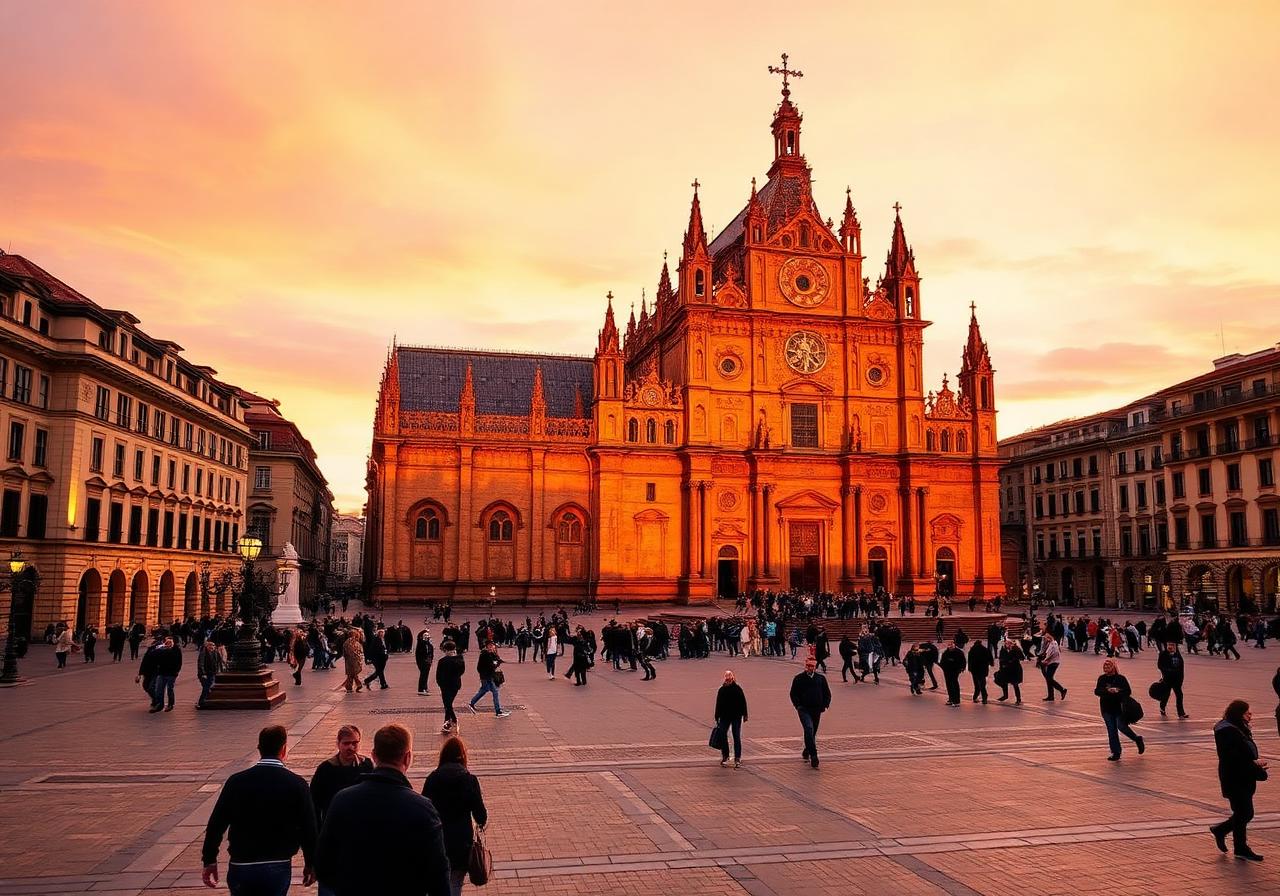
Galicia
Santiago de Compostela
The journey's end — and for many pilgrims, a new beginning.
Galicia
Ferrol
The naval port where most modern Camino Inglés pilgrims begin — a deep Atlantic ría on Galicia's north coast.
Galicia
A Coruña
The historic Atlantic port where medieval English and Irish pilgrims often first set foot in Galicia.
Galicia
Betanzos
A medieval Galician town on the Camino Inglés, famous for its old quarter and the legendary tortilla de Betanzos.
Suggested stages
Camino del Norte · Stage 1
Irún → San Sebastián
24 km · 700 m · Challenging
Camino del Norte · Stage 2
San Sebastián → Zarautz
22 km · 580 m · Challenging
Camino del Norte · Stage 3
Zarautz → Deba
22 km · 750 m · Challenging
Camino Primitivo · Stage 14
O Pedrouzo → Santiago de Compostela
20 km · 280 m · Moderate
Camino Inglés · Stage 6
Sigüeiro → Santiago de Compostela
16 km · 200 m · Easy
Camino Francés · Stage 33
O Pedrouzo → Santiago de Compostela
20 km · 240 m · Moderate
Related routes
Histories of the other Camino routes
The English Way in context: medieval pilgrims, port towns, and the other historic roads to Santiago.
Culture
The History of the Camino Francés
Discover the history of the Camino Francés, the most famous route of the Camino de Santiago, from its medieval origins to its modern revival.
Culture
The History of the Camino Portugués
Discover the history of the Camino Portugués, one of the most important routes to Santiago de Compostela, from medieval Portuguese pilgrims to the modern Portuguese Way.
Culture
The History of the Camino del Norte
Discover the history of the Camino del Norte, the Northern Way to Santiago de Compostela, from early coastal pilgrimage routes to its modern revival.
Culture
The History of the Camino Primitivo
Discover the history of the Camino Primitivo, the Original Way to Santiago de Compostela, from King Alfonso II's early pilgrimage to its modern revival.
Culture
Why Did Pilgrims Walk to Finisterre?
Discover why pilgrims walked from Santiago to Finisterre, the "end of the world," and how this Atlantic extension became one of the most meaningful parts of the Camino.
Culture
The Complete History of the Camino de Santiago
From the legend of Saint James and medieval pilgrimage routes to the modern revival — a thousand-year story behind the Way of Saint James.
Related posts
Culture
Camino yellow arrows meaning
Discover the meaning of the yellow arrows on the Camino de Santiago, where they came from, and why they have become one of the most beloved symbols of The Way.
Culture
Why Did Pilgrims Walk to Finisterre?
Discover why pilgrims walked from Santiago to Finisterre, the "end of the world," and how this Atlantic extension became one of the most meaningful parts of the Camino.
Culture
How the Camino de Santiago Declined and Was Revived
Discover how the Camino de Santiago declined after the Middle Ages and how it was revived into one of the world's most famous pilgrimage routes today.
More posts like this
Articles that share keywords, routes, or towns with this one.
Culture
The Meaning of the Yellow Arrows on the Camino de Santiago
- 3 shared routes
- 1 shared town
Culture
Why Did Pilgrims Walk to Finisterre?
- 3 shared routes
- 1 shared town
Culture
How the Camino de Santiago Declined and Was Revived
- 3 shared routes
- 1 shared town
Culture
The Camino de Santiago in Modern Times
- 3 shared routes
- 1 shared town
Read next
Culture
The Meaning of the Yellow Arrows on the Camino de Santiago
Discover the meaning of the yellow arrows on the Camino de Santiago, where they came from, and why they have become one of the most beloved symbols of The Way.
9 min read
Culture
Why Did Pilgrims Walk to Finisterre?
Discover why pilgrims walked from Santiago to Finisterre, the "end of the world," and how this Atlantic extension became one of the most meaningful parts of the Camino.
11 min read
Culture
How the Camino de Santiago Declined and Was Revived
Discover how the Camino de Santiago declined after the Middle Ages and how it was revived into one of the world's most famous pilgrimage routes today.
13 min read
Culture
The Camino de Santiago in Modern Times
Explore the Camino de Santiago in modern times and how an ancient pilgrimage became a global journey of faith, adventure, healing, culture, and self-discovery.
13 min read
Culture
Why the Camino de Santiago Still Matters Today
Discover why the Camino de Santiago still matters today and why this ancient pilgrimage continues to attract modern walkers seeking meaning, healing, adventure, and connection.
13 min read
Culture
Who Was Saint James and Why Is He Connected to Santiago?
Learn who Saint James was, why he is connected to Santiago de Compostela, and how his legend became the foundation of the Camino de Santiago pilgrimage.
12 min read