
Culture
The History of the Camino del Norte
Discover the history of the Camino del Norte, the Northern Way to Santiago de Compostela, from early coastal pilgrimage routes to its modern revival.
April 29, 2026 · 12 min read
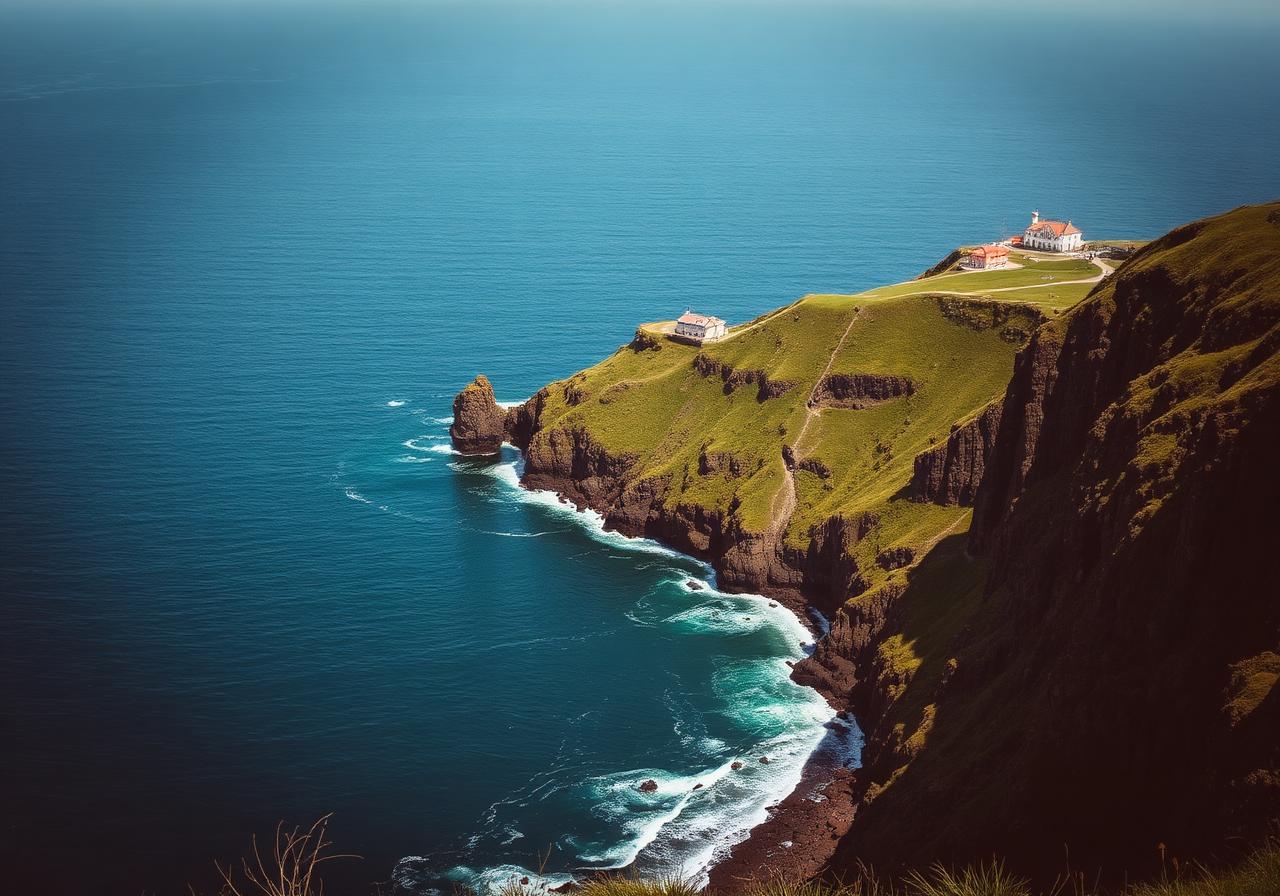
The Camino del Norte, or Northern Way, is one of the most beautiful and historic routes of the Camino de Santiago. Running along Spain's northern coast, it passes through the Basque Country, Cantabria, Asturias, and Galicia before reaching Santiago de Compostela. Modern pilgrims know it for its rugged coastline, green landscapes, fishing towns, mountain views, beaches, and quieter atmosphere compared with the Camino Francés.
But the Camino del Norte is not just a scenic route. It is one of the oldest ways to Santiago and played an important role during the early centuries of pilgrimage. Its history is tied to coastal travel, early Christian kingdoms, medieval ports, monasteries, trade routes, and the geography of northern Spain. Long before the Camino Francés became the most famous route, pilgrims were already making their way west along the northern coast.
What is the Camino del Norte? The Camino del Norte is a northern Camino route that traditionally begins in Irún, near the French border, and follows the coast westward toward Galicia. The route passes through important towns and cities such as San Sebastián, Zarautz, Bilbao, Santander, Santillana del Mar, Llanes, Ribadesella, Gijón, Avilés, Luarca, Ribadeo, Mondoñedo, and eventually Santiago. The full route is roughly 825 kilometers, depending on variations. Unlike the Camino Francés, which crosses the interior of northern Spain, the Camino del Norte stays close to the coast for much of its journey. This gives it a very different identity: maritime, green, rugged, and often physically demanding.
Why is it called the Northern Way? The name Camino del Norte means 'Northern Way.' It is called this because it follows the northern coast of Spain rather than the interior route used by the Camino Francés. The route travels through regions that face the Bay of Biscay and the Cantabrian Sea. Its landscapes are shaped by cliffs, beaches, rivers, fishing ports, forests, and mountains. Historically, the northern route was important because it passed through Christian-held territories during periods when other parts of the Iberian Peninsula were under Muslim rule. This made the northern corridor significant in the early development of pilgrimage to Santiago.
Early pilgrimage along the coast. The Camino del Norte has roots in the early centuries of the Santiago pilgrimage. After the reported discovery of Saint James' tomb in the 9th century, pilgrims began traveling to Galicia from different directions. The northern coast provided one of the safer and more accessible corridors for some travelers, especially before the Camino Francés became fully established. Because the northern Christian kingdoms remained important centers of power, roads through the coast and mountains helped connect pilgrims to Santiago. The route was likely not as fixed or standardized as it is today. Medieval pilgrims used existing roads, coastal paths, trade routes, river crossings, and local tracks.
The Camino del Norte and the Christian kingdoms. The history of the Camino del Norte is closely connected to the early Christian kingdoms of northern Spain. During the early Middle Ages, the northern regions of Asturias, Cantabria, and the Basque territories played important roles in the Christian resistance and identity of the Iberian Peninsula. The Kingdom of Asturias was especially important in the early story of Santiago. King Alfonso II of Asturias is traditionally associated with one of the earliest pilgrimages to the tomb of Saint James, often linked to the Camino Primitivo. Because the north remained central to early Christian rule, routes through these regions carried religious and political importance.
A route before the Camino Francés dominated. The Camino Francés eventually became the best-known and most traveled Camino route, especially from the 11th and 12th centuries onward. But before the French Way became dominant, northern routes like the Camino del Norte and Camino Primitivo were important paths to Santiago. The coastal route may have been especially useful when interior routes were less secure or less developed. Over time, as Christian kingdoms expanded southward and infrastructure improved along the interior, the Camino Francés gained popularity. Still, the Camino del Norte remained an important alternative with its own character.
Coastal geography shaped the route. The geography of the Camino del Norte strongly shaped its history. Unlike flatter or more direct routes, the Northern Way follows a coastline full of hills, river mouths, cliffs, bays, and mountain ridges. This made travel beautiful but challenging. Pilgrims often had to climb inland to avoid difficult coastal obstacles, cross rivers, or navigate around estuaries. The route connected fishing villages, ports, monasteries, and market towns. Its geography gave the Camino del Norte a maritime identity. The sea was never far away.
Ports and maritime pilgrimage. Because the Camino del Norte follows the coast, ports played an important role in its history. Pilgrims could arrive by sea from other parts of Europe, especially from northern France, England, Ireland, or other Atlantic regions. Some travelers may have used coastal ports as entry points before continuing on foot toward Santiago. Ports also supported trade, fishing, shipbuilding, and movement between communities. The coastal Camino was not only a walking route. It was part of a wider Atlantic world of maritime travel and exchange.
The Basque Country and the start of the route. The modern Camino del Norte begins in Irún, near the border with France, and soon passes through the Basque Country. San Sebastián, one of the most famous cities on the route today, reflects the coastal beauty and cultural richness of the Northern Way. Historically, this region was connected to trade, fishing, local routes, and cross-border movement. The Basque section of the Camino del Norte is known for its steep climbs and dramatic coastline. For pilgrims, it offers a powerful introduction to the demanding nature of the route.
Bilbao and the growth of northern cities. Bilbao is one of the major cities on the Camino del Norte. Historically, Bilbao became important because of trade, industry, port activity, and its strategic location. While its modern identity is strongly connected to commerce and culture, its place on the northern route also reflects the Camino's connection to urban life. Pilgrims passing through Bilbao experience a very different Camino atmosphere than in small rural villages. The Camino del Norte has always linked both quiet landscapes and major coastal cities.
Cantabria and medieval stops. After the Basque Country, the route continues through Cantabria. This region includes historic towns, coastal settlements, monasteries, and places of local devotion. Santillana del Mar, for example, is one of the most beautiful historic towns associated with the route. Cantabria's landscape of sea, green hills, and villages helped define the northern Camino experience. For medieval pilgrims, the region offered both beauty and challenge. Weather, terrain, and distance would have made travel demanding.
Asturias and the northern pilgrimage tradition. Asturias is central to the history of northern pilgrimage. The region is deeply connected to the early Christian kingdoms and the origins of pilgrimage to Santiago. Oviedo, while more directly associated with the Camino Primitivo, also plays an important role in the broader northern Camino network. Some pilgrims on the Camino del Norte choose to leave the coastal route and connect with the Camino Primitivo at Oviedo. This reflects the historical flexibility of Camino routes. Pilgrims did not always follow rigid paths. They adapted depending on devotion, safety, weather, geography, and local advice.
Llanes and the coastal Camino experience. Llanes is one of the most memorable towns on the Camino del Norte. Located in Asturias, it is known for its coast, cliffs, beaches, medieval old town, and fishing heritage. It captures much of what makes the Northern Way special: the combination of sea, history, and Camino tradition. For pilgrims, towns like Llanes show that the Camino del Norte is not only about reaching Santiago. It is also about experiencing the culture and landscapes of Spain's northern coast. The route's history lives in places like this.
Monasteries, churches, and coastal hospitality. As with other Camino routes, churches and monasteries supported pilgrims along the Camino del Norte. Religious institutions offered prayer, shelter, food, and care. Some were located in towns, while others served rural or coastal communities. Pilgrim hospitality was essential because the northern route could be difficult and less densely served than more popular roads. These sacred sites helped anchor the route and connect local communities to the broader pilgrimage tradition.
The Northern Way and the Camino Primitivo. The Camino del Norte is closely connected to the Camino Primitivo. Many pilgrims walking the Northern Way reach Villaviciosa and then choose whether to continue along the coast toward Gijón or turn inland toward Oviedo and connect with the Primitivo. This connection reflects the deep history of the northern routes. The Primitivo is associated with King Alfonso II and one of the earliest journeys to Santiago. The del Norte and Primitivo together form part of the older northern Camino tradition.
The route into Galicia. Eventually, the Camino del Norte enters Galicia. One important crossing is near Ribadeo, where pilgrims move from Asturias into Galicia. From there, the route continues inland through towns such as Mondoñedo, Vilalba, and Sobrado dos Monxes before joining other routes toward Santiago. The Galician section feels different from the coastal stretches. The sea fades behind, and the route moves through forests, hills, farms, and small villages. For pilgrims, this marks the final phase of the Northern Way.
Sobrado dos Monxes and monastic history. Sobrado dos Monxes is one of the most important monastic sites on the Camino del Norte. Its monastery has long been associated with religious life and pilgrimage. For modern pilgrims, staying near or visiting Sobrado can be one of the most memorable experiences of the route. Monasteries like Sobrado show the continuing importance of religious institutions along the Camino. They remind walkers that the route was shaped not only by geography but by communities of prayer and hospitality.
Why the Camino del Norte declined. Like other Camino routes, the Camino del Norte declined after the medieval period. The Camino Francés became more dominant because of its infrastructure, accessibility, and strong tradition. Political changes, religious shifts, wars, and modernization also reduced pilgrimage numbers over time. The northern route remained locally important in places, but it was no longer one of the main international pilgrimage roads in the way it may have been earlier. For many years, it was far less known than the French Way.
The modern revival of the Camino del Norte. The modern Camino revival brought new attention to the Northern Way. As the Camino Francés became increasingly popular and sometimes crowded, many pilgrims began looking for quieter alternatives. The Camino del Norte appealed to walkers seeking coastal scenery, physical challenge, and a different historical experience. Waymarking improved, accommodation expanded, and awareness grew. Today, the Camino del Norte is one of the major recognized Camino routes.
Why pilgrims choose the Camino del Norte today. Modern pilgrims choose the Camino del Norte for many reasons. Some are drawn by the coast. Others want a more physically demanding route. Some prefer fewer crowds than the Camino Francés. Many are interested in the culture of the Basque Country, Cantabria, Asturias, and Galicia. The route offers beaches, cliffs, green hills, fishing towns, major cities, monasteries, and quiet rural stretches. It is often described as beautiful but challenging. That combination is part of its appeal.
How the history shapes the modern walk. Understanding the history of the Camino del Norte helps modern pilgrims see it as more than a coastal hike. It is one of the older pilgrimage corridors to Santiago. It reflects the early importance of the northern Christian kingdoms, the maritime culture of Spain's coast, and the long relationship between ports, monasteries, towns, and pilgrims. Every coastal town, old church, mountain path, and river crossing belongs to that story. The Northern Way has a history as rugged and beautiful as its landscape.
Final thoughts. The Camino del Norte is one of the most historic and distinctive routes to Santiago de Compostela. Its story begins in the early centuries of pilgrimage, when northern roads and coastal corridors helped guide travelers toward the tomb of Saint James. Over time, it was shaped by Christian kingdoms, fishing ports, monasteries, old roads, rugged geography, and the Atlantic coast. Though it was later overshadowed by the Camino Francés, the Northern Way has returned as one of the most rewarding modern Camino routes. For pilgrims who walk it today, the Camino del Norte offers more than scenery. It offers a journey through the history, coast, culture, and soul of northern Spain. Buen Camino.
Keep exploring
Next stops & related posts
Towns, stages, and stories connected to this article — your jumping-off points to plan the next stretch of the Camino.
Pilgrim guides
- Roncesvalles monastery & albergue
- Samos monastery lodging
- Foncebadón mountain albergues
- O Cebreiro pilgrim shelters
- All lodging articles
- Camino Primitivo (mountain terrain)
- Camino del Norte (coastal weather)
- Foncebadón (high pass)
- O Cebreiro (Galician mountains)
- Santiago de Compostela cathedral
- León cathedral city
- Burgos cathedral city
- Samos monastery
- Roncesvalles monastery
- O Cebreiro pre-Romanesque church
- All history articles
Towns to visit
Gipuzkoa, Basque Country
San Sebastián / Donostia
Belle Époque elegance, three crescent beaches, and the world's densest concentration of Michelin stars.
Bizkaia, Basque Country
Bilbao
Industrial port reborn as a museum-led design city — and a glorious detour off the trail.
Cantabria
Santander
A Belle Époque seafront capital rebuilt with elegance after the 1941 fire.
Cantabria
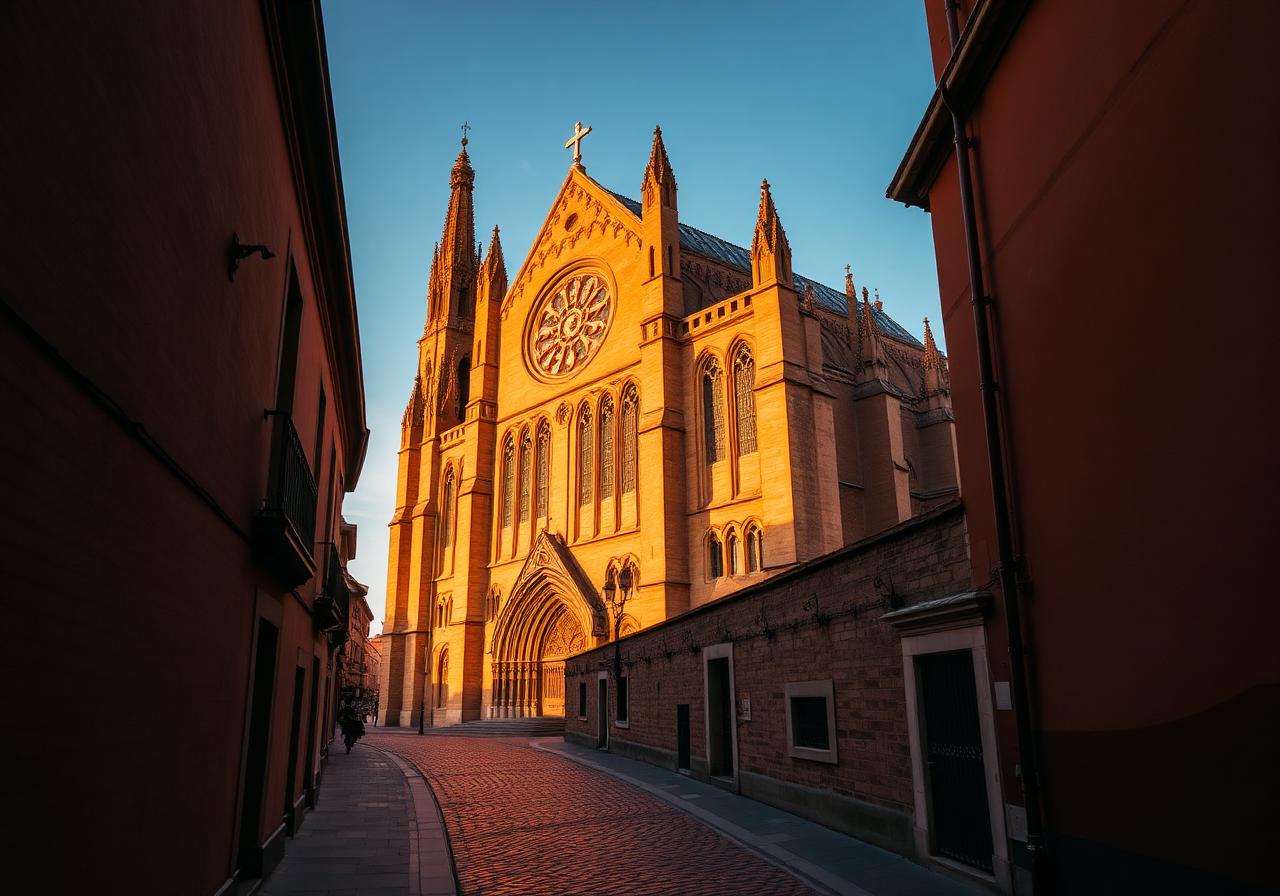
Santillana del Mar
The 'town of three lies' — neither santi (holy), llana (flat), nor by the mar.
Asturias
Llanes
An Asturian fishing port wrapped in cliffs and painted concrete blocks.
Asturias
Gijón
Asturias's biggest city — Roman baths, a working port, and the cradle quarter of Cimavilla.
Lugo, Galicia
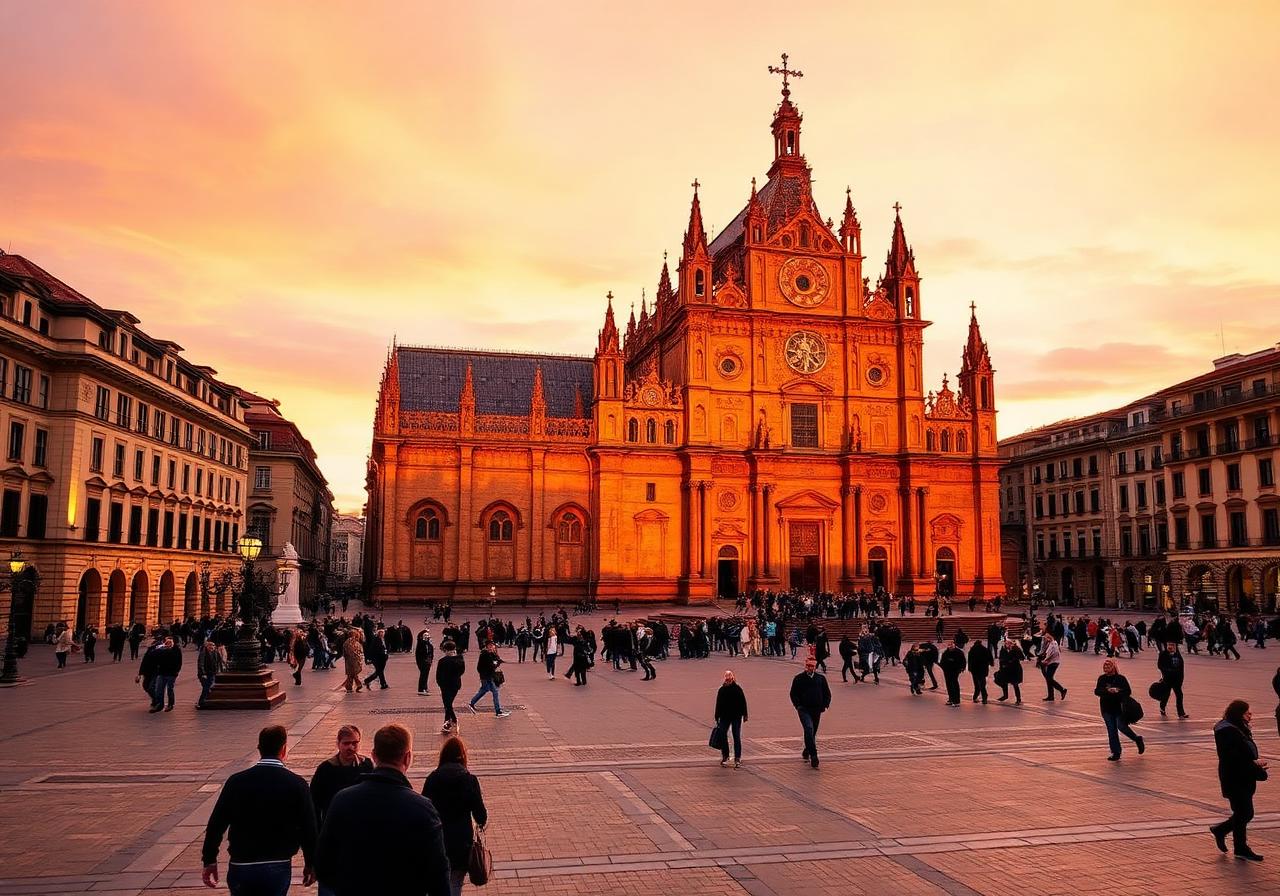
Ribadeo
Where the Eo estuary marks the entrance into Galicia — and the Praia das Catedrais is just down the coast.
A Coruña, Galicia
Sobrado dos Monxes
A working Cistercian monastery that takes pilgrims for the night.
Suggested stages
Camino del Norte · Stage 1
Irún → San Sebastián
24 km · 700 m · Challenging
Camino del Norte · Stage 2
San Sebastián → Zarautz
22 km · 580 m · Challenging
Camino del Norte · Stage 3
Zarautz → Deba
22 km · 750 m · Challenging
Camino Francés · Stage 1
Saint-Jean-Pied-de-Port → Roncesvalles
25 km · 1390 m · Challenging
Camino Francés · Stage 2
Roncesvalles → Zubiri
22 km · 220 m · Moderate
Camino Francés · Stage 3
Zubiri → Pamplona
21 km · 80 m · Easy
Related routes
Histories of the other Camino routes
The Camino del Norte in context: how the coastal route compares with the other historic paths to Santiago.
Culture
The History of the Camino Francés
Discover the history of the Camino Francés, the most famous route of the Camino de Santiago, from its medieval origins to its modern revival.
Culture
The History of the Camino Portugués
Discover the history of the Camino Portugués, one of the most important routes to Santiago de Compostela, from medieval Portuguese pilgrims to the modern Portuguese Way.
Culture
The History of the Camino Primitivo
Discover the history of the Camino Primitivo, the Original Way to Santiago de Compostela, from King Alfonso II's early pilgrimage to its modern revival.
Culture
The History of the Camino Inglés
Discover the history of the Camino Inglés, the English Way to Santiago de Compostela, used by medieval pilgrims arriving by sea from England, Ireland, and northern Europe.
Culture
Why Did Pilgrims Walk to Finisterre?
Discover why pilgrims walked from Santiago to Finisterre, the "end of the world," and how this Atlantic extension became one of the most meaningful parts of the Camino.
Culture
The Complete History of the Camino de Santiago
From the legend of Saint James and medieval pilgrimage routes to the modern revival — a thousand-year story behind the Way of Saint James.
Related posts
Food
Camino de Santiago food
From Basque pintxos to Galician pulpo, the Camino is a tour of Spain's regional cooking. Here's what to order in each region you walk through.
Gear
Camino with no gear
When my luggage didn't arrive in Bilbao, I started the Camino del Norte with the clothes on my back. Here's what I bought, what I borrowed, and what I'd do differently.
Culture
San Sebastián to Bilbao Camino
The first week of the Norte takes you through Basque fishing villages, surfer towns, and dramatic cliffs. Here's what each day actually feels like.
More posts like this
Articles that share keywords, routes, or towns with this one.
Food
What to Eat on the Camino de Santiago (Regional Food Guide)
- 1 shared route
- 3 shared towns
Culture
San Sebastián to Bilbao: What to Expect on the Camino del Norte
- 1 shared route
- 2 shared towns
Gear
Backpacking the Camino with No Gear: What I Learned the Hard Way
- 1 shared route
- 2 shared towns
Culture
The Discovery of Saint James' Tomb
- tomb of Saint James
- 1 shared route
Read next
Food
What to Eat on the Camino de Santiago (Regional Food Guide)
From Basque pintxos to Galician pulpo, the Camino is a tour of Spain's regional cooking. Here's what to order in each region you walk through.
12 min read
Culture
San Sebastián to Bilbao: What to Expect on the Camino del Norte
The first week of the Norte takes you through Basque fishing villages, surfer towns, and dramatic cliffs. Here's what each day actually feels like.
9 min read
Gear
Backpacking the Camino with No Gear: What I Learned the Hard Way
When my luggage didn't arrive in Bilbao, I started the Camino del Norte with the clothes on my back. Here's what I bought, what I borrowed, and what I'd do differently.
8 min read
Culture
Who Was Saint James and Why Is He Connected to Santiago?
Learn who Saint James was, why he is connected to Santiago de Compostela, and how his legend became the foundation of the Camino de Santiago pilgrimage.
12 min read
Culture
Why Is Santiago de Compostela Important?
Discover why Santiago de Compostela is important, from the legend of Saint James and its medieval pilgrimage history to its role as the final destination of the Camino de Santiago.
11 min read
Culture
The Discovery of Saint James' Tomb
Learn the story behind the discovery of Saint James' tomb in Santiago de Compostela and how this legend became the foundation of the Camino de Santiago pilgrimage.
12 min read