
Culture
The History of the Camino Portugués
Discover the history of the Camino Portugués, one of the most important routes to Santiago de Compostela, from medieval Portuguese pilgrims to the modern Portuguese Way.
April 29, 2026 · 12 min read
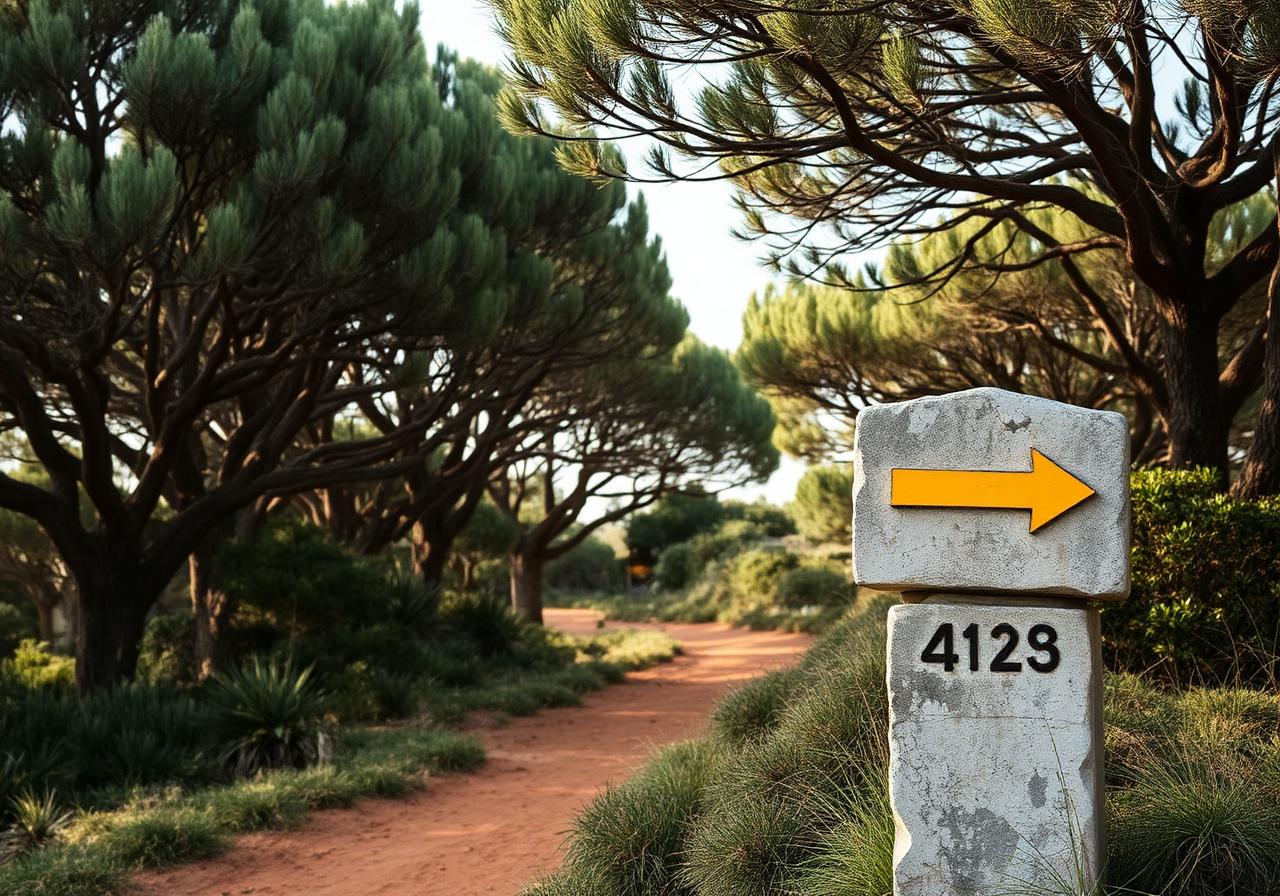
The Camino Portugués, or Portuguese Way, is one of the most popular routes of the Camino de Santiago today. Many modern pilgrims begin in Porto and walk north into Galicia, while others start farther south in Lisbon or follow coastal variations along the Atlantic.
But the Camino Portugués is not just a scenic alternative to the Camino Francés. It has its own deep history, shaped by medieval devotion, Portuguese royalty, coastal trade, ancient Roman roads, rural villages, cathedral cities, and centuries of movement between Portugal and Galicia.
For pilgrims walking it today, the Portuguese Way offers a beautiful mix of history, culture, hospitality, and landscape. Its path tells the story of how Portugal became connected to one of Europe's greatest pilgrimage traditions.
What is the Camino Portugués? The Camino Portugués is a Camino de Santiago route that leads north through Portugal and into Galicia, eventually reaching Santiago de Compostela. There are several variations. The most traditional route begins in Lisbon and continues through Santarém, Coimbra, Porto, Barcelos, Ponte de Lima, Valença, Tui, Pontevedra, Padrón, and Santiago. Many pilgrims today begin in Porto, making the journey shorter and more manageable. Others follow the Portuguese Coastal Way, which travels along or near the Atlantic coast before joining inland routes toward Santiago. Historically, the Camino Portugués was not one single fixed path. It developed from existing roads, trade routes, local tracks, and religious travel corridors linking Portugal to Galicia.
Why Portuguese pilgrims walked to Santiago. Santiago de Compostela was one of the great pilgrimage destinations of medieval Europe. Because of its location in northwestern Spain, it was naturally important to Portuguese pilgrims. For medieval Christians in Portugal, walking to the tomb of Saint James could be an act of devotion, thanksgiving, penance, healing, or religious duty. The journey from Portugal to Santiago was shorter than routes from much of Europe, but it still required commitment. Pilgrims faced distance, weather, illness, poor roads, and uncertainty. The Camino Portugués became the main way for Portuguese pilgrims to reach Santiago.
The connection between Portugal and Galicia. The history of the Camino Portugués is closely tied to the relationship between Portugal and Galicia. Portugal and Galicia share deep cultural, linguistic, geographic, and historical connections. The border between northern Portugal and Galicia is crossed by rivers, roads, trade routes, and family ties. In the Middle Ages, movement between these regions was common. Merchants, clergy, nobles, soldiers, and pilgrims traveled across the landscape. The Camino Portugués grew out of this shared world. For many pilgrims, Santiago was not a distant foreign destination. It was a sacred city connected to a neighboring region with familiar cultural roots.
Roman roads and older routes. Like many Camino routes, the Camino Portugués used paths that existed long before Christian pilgrimage. Parts of the route followed or connected with Roman roads, especially those linking important settlements in western Iberia. Roman infrastructure helped shape travel patterns that continued into the medieval period. Pilgrims did not create entirely new roads. They often used the best available routes: old roads, river crossings, trade paths, and local tracks. This means the Camino Portugués is layered with history. Pilgrims walk through landscapes shaped by Roman movement, medieval devotion, and modern travel.
Lisbon as a starting point. Lisbon is the southern starting point of the longer Camino Portugués. As Portugal's capital and one of its most important cities, Lisbon has long been connected to religious, political, and maritime history. Pilgrims beginning there face a much longer journey to Santiago than those starting in Porto. Historically, Lisbon's importance as a city made it a natural point of departure for some pilgrims. But the full route from Lisbon is less traveled today than the section from Porto. For modern pilgrims seeking a longer and quieter Camino, starting in Lisbon offers a deeper immersion into Portugal's history and geography.
Coimbra and the intellectual Camino. Coimbra is one of the most important historic cities on the Camino Portugués. Known for its university, religious institutions, and medieval heritage, Coimbra reflects the cultural depth of the Portuguese Way. Pilgrims passing through encounter a city shaped by learning, monarchy, faith, and architecture. Historically, Coimbra was one of Portugal's key centers of power and culture. Its presence on the route shows that the Camino Portugués connected pilgrims not only to rural paths and villages, but also to major centers of Portuguese history.
Porto and the popular modern route. Porto is now one of the most popular starting points for the Camino Portugués. The distance from Porto to Santiago is much shorter than from Lisbon, making it attractive for pilgrims with limited time. It also offers strong infrastructure, beautiful scenery, and access to both inland and coastal route options. Historically, Porto was a major city of trade, religion, and movement. Its location near the Douro River and Atlantic coast made it an important hub. For many modern pilgrims, Porto is where the Camino Portugués truly begins.
Inland route vs coastal route. The Camino Portugués has multiple variations, but two of the most popular are the Central Route and the Coastal Route. The Central Route generally follows the more traditional inland path through towns such as Barcelos, Ponte de Lima, Valença, Tui, Pontevedra, and Padrón. The Coastal Route follows the Atlantic coastline north from Porto before connecting with routes into Galicia. Historically, pilgrims used different paths depending on safety, weather, local roads, ports, and personal circumstances. The idea of one fixed route is more modern than medieval. Both inland and coastal routes reflect the long history of movement between Portugal and Santiago.
Portuguese royal pilgrims. The Camino Portugués gained prestige through royal and noble pilgrims. One of the most famous figures connected to the route is Queen Isabel of Portugal, also known as Saint Elizabeth of Portugal. Tradition says she made pilgrimages to Santiago in the 14th century. Royal pilgrimage mattered because it gave status to the route. When kings, queens, nobles, and important religious figures walked or supported a pilgrimage, it encouraged others to do the same. The participation of Portuguese royalty helped strengthen the connection between Portugal and Santiago.
Queen Isabel and the Camino. Queen Isabel of Portugal is one of the most important historical figures associated with the Camino Portugués. She was known for her piety, charity, and devotion. According to tradition, she traveled to Santiago as a pilgrim and offered gifts at the shrine of Saint James. Her connection to the route gave the Portuguese Way special religious significance. For modern pilgrims, Queen Isabel's story is a reminder that the Camino Portugués was walked by people from every level of society — from ordinary villagers to royalty.
Bridges, rivers, and pilgrim movement. The Camino Portugués is shaped by rivers. Pilgrims crossed important waterways such as the Douro, Lima, Minho, and others. Bridges and ferry crossings were essential to movement along the route. In medieval times, river crossings could be difficult or dangerous. A bridge was not just infrastructure; it was a lifeline. Towns often grew around crossing points because travelers needed food, shelter, and services before or after crossing. The geography of the Portuguese Way helped determine where pilgrims walked and where communities developed.
Tui: gateway into Galicia. Tui is one of the most important towns on the Camino Portugués. Located just across the Minho River from Portugal, Tui marks the entrance into Galicia for many pilgrims walking the Central Route. Its cathedral, old streets, and borderland history make it a key Camino town. For modern pilgrims, Tui is also significant because it is far enough from Santiago to qualify for the Compostela certificate if walking the final required distance. Historically, Tui connected Portuguese pilgrims to the final Galician stage of the route.
Pontevedra and the Galician Camino. After entering Galicia, the Camino Portugués passes through important towns such as O Porriño, Redondela, Pontevedra, Caldas de Reis, and Padrón before reaching Santiago. Pontevedra became a significant stop because of its location, religious sites, and urban services. The Galician section of the Camino Portugués shows how closely the route is tied to local communities. Pilgrimage was not only international; it was also regional. For Portuguese pilgrims, Galicia was the final landscape before Santiago.
Padrón and the legend of Saint James. Padrón has special significance in the history of the Camino. According to tradition, it is linked to the arrival of Saint James' body in Galicia. The stone, or pedrón, associated with the legend gave the town its name. Because of this connection, Padrón became an important place of devotion for pilgrims approaching Santiago from Portugal. The town adds a powerful layer of legend to the final stretch of the Camino Portugués.
The Camino Portugués in the Middle Ages. During the Middle Ages, the Camino Portugués was one of several active routes to Santiago. It may not have had the same international fame as the Camino Francés, but it was deeply important for pilgrims from Portugal and western Iberia. Its development depended on roads, bridges, churches, monasteries, hospitals, towns, and local hospitality. Like other Camino routes, it grew because people walked it repeatedly over generations.
Pilgrim hospitals and hospitality. Pilgrim hospitals and religious institutions supported travelers along the Camino Portugués. These places offered shelter, food, rest, basic care, and spiritual support. Some were connected to monasteries or churches. Others were supported by local communities, nobles, or religious orders. Hospitality helped make the journey possible. Modern pilgrims still experience echoes of this tradition in albergues, cafés, churches, and the kindness of local people along the way.
The decline of the Portuguese Way. Like the wider Camino network, the Camino Portugués declined after the Middle Ages. Religious changes, political instability, shifting travel habits, modernization, and changing social attitudes reduced the number of pilgrims. Some parts of the route remained locally remembered. Others became less visible or were absorbed into ordinary roads and towns. For a time, the Portuguese Way was far less internationally known than it is today.
The modern revival of the Camino Portugués. The modern revival of the Camino brought renewed attention to the Portuguese Way. As interest in the Camino de Santiago grew in the late 20th and early 21st centuries, more pilgrims began looking beyond the Camino Francés. The Portuguese route became attractive because of its manageable distances, cultural richness, good infrastructure, and beauty. Today, the Camino Portugués is one of the most walked Camino routes. The Porto-to-Santiago section is especially popular, while the Coastal Route continues to grow in visibility.
Why the Camino Portugués is popular today. The Camino Portugués is popular today for several reasons. It is shorter than the full Camino Francés if starting from Porto. It offers strong infrastructure without always feeling as crowded. It combines Portuguese and Galician culture. It includes historic towns, coastal options, good food, and varied landscapes. For many first-time pilgrims, it feels accessible. For returning pilgrims, it offers a different Camino experience with its own identity and rhythm.
How its history shapes the modern walk. Knowing the history of the Camino Portugués changes how you experience the route. The roads become more than paths. The bridges become more than crossings. Towns like Coimbra, Porto, Tui, Pontevedra, and Padrón become part of a larger pilgrimage story. You begin to see the route as a corridor of faith, trade, travel, culture, and connection between Portugal and Galicia. The history gives depth to every stage.
Final thoughts. The Camino Portugués is one of the great historic routes to Santiago de Compostela. Its story is shaped by Portuguese pilgrims, royal devotion, Roman roads, medieval towns, churches, bridges, rivers, and the deep cultural connection between Portugal and Galicia. Though it declined over time, it has returned as one of the most beloved modern Camino routes. Today, pilgrims walk from Lisbon, Porto, the coast, and countless smaller towns toward Santiago, following a path built by centuries of movement. The Portuguese Way is not just an alternative to the Camino Francés. It is a Camino with its own soul. Buen Camino.
Keep exploring
Next stops & related posts
Towns, stages, and stories connected to this article — your jumping-off points to plan the next stretch of the Camino.
Pilgrim guides
- All Camino routes
- Camino Francés stages
- Camino Portugués stages
- Camino del Norte stages
- Roncesvalles monastery & albergue
- Samos monastery lodging
- Foncebadón mountain albergues
- O Cebreiro pilgrim shelters
- All lodging articles
- Camino Primitivo (mountain terrain)
- Camino del Norte (coastal weather)
- Foncebadón (high pass)
- O Cebreiro (Galician mountains)
- Santiago de Compostela cathedral
- León cathedral city
- Burgos cathedral city
- Samos monastery
- Roncesvalles monastery
- O Cebreiro pre-Romanesque church
- All history articles
Towns to visit
Norte, Portugal
Porto
The Douro's port-wine city and starting point for most Portugués pilgrims.
Norte, Portugal
Barcelos
Home of Portugal's iconic rooster legend — and a thriving Thursday market.
Norte, Portugal
Ponte de Lima
Portugal's oldest town — strung along a Roman bridge over the river Lima.
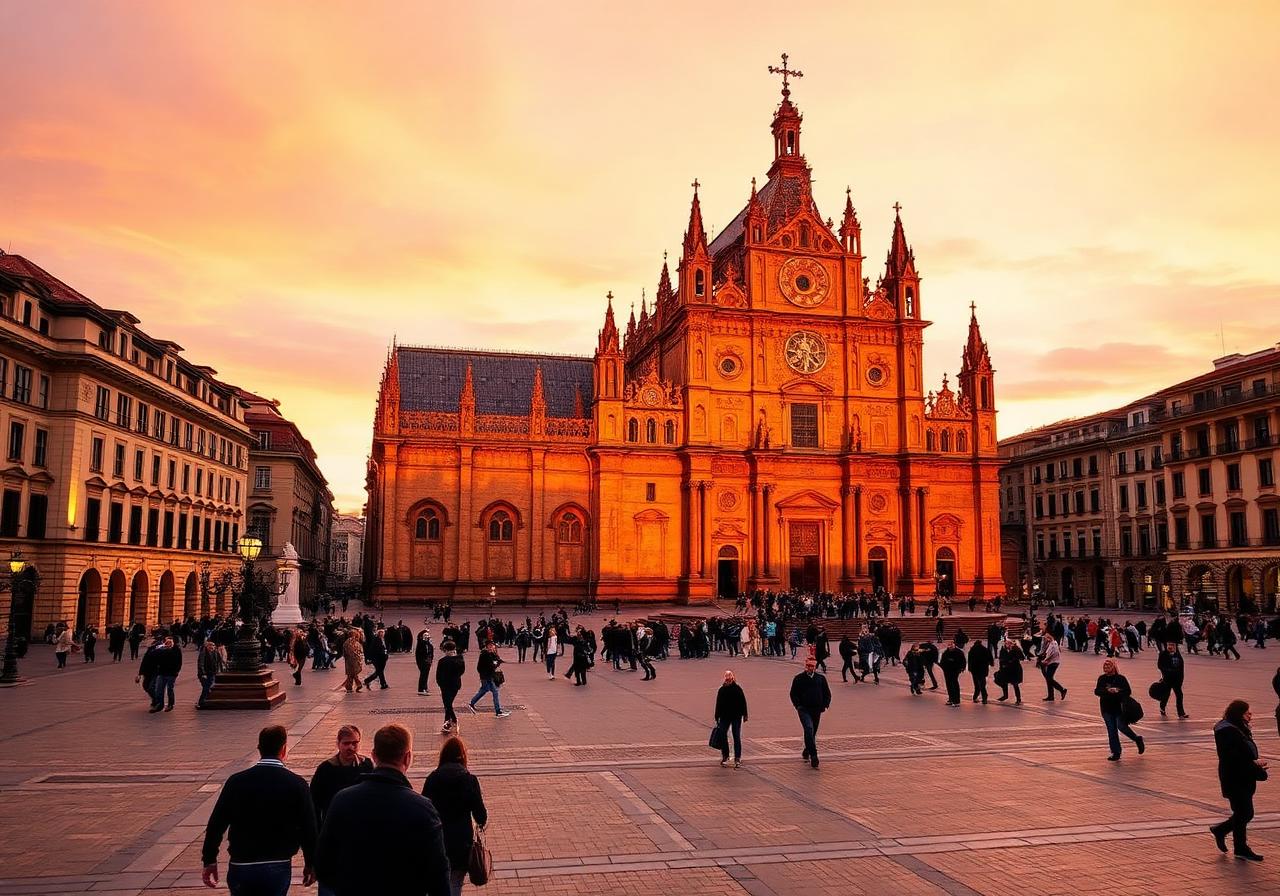
Pontevedra, Galicia
Tui
The Spanish gateway across the Miño from Valença, crowned by a fortress cathedral.
Galicia
Pontevedra
Spain's most pedestrian-friendly historic centre — a delight after a day's walking.
A Coruña, Galicia
Padrón
Where, by tradition, Saint James's body came ashore — and where his peppers grow.
Galicia
Santiago de Compostela
The journey's end — and for many pilgrims, a new beginning.
Pontevedra, Galicia
Caldas de Reis
A Roman thermal town where pilgrims still soak weary feet in hot springs.
Suggested stages
Camino Portugués · Stage 1
Porto → Vilarinho
27 km · 320 m · Moderate
Camino Portugués · Stage 2
Vilarinho → Barcelos
30 km · 250 m · Moderate
Camino Portugués · Stage 3
Barcelos → Ponte de Lima
33 km · 300 m · Challenging
Camino Francés · Stage 29
Sarria → Portomarín
22 km · 270 m · Moderate
Camino Francés · Stage 30
Portomarín → Palas de Rei
25 km · 380 m · Moderate
Camino Francés · Stage 31
Palas de Rei → Arzúa
29 km · 300 m · Moderate
Related routes
Histories of the other Camino routes
From the Portuguese Way to the mountain Primitivo and the Atlantic English Way — the medieval roots of every major Camino.
Culture
The History of the Camino Francés
Discover the history of the Camino Francés, the most famous route of the Camino de Santiago, from its medieval origins to its modern revival.
Culture
The History of the Camino del Norte
Discover the history of the Camino del Norte, the Northern Way to Santiago de Compostela, from early coastal pilgrimage routes to its modern revival.
Culture
The History of the Camino Primitivo
Discover the history of the Camino Primitivo, the Original Way to Santiago de Compostela, from King Alfonso II's early pilgrimage to its modern revival.
Culture
The History of the Camino Inglés
Discover the history of the Camino Inglés, the English Way to Santiago de Compostela, used by medieval pilgrims arriving by sea from England, Ireland, and northern Europe.
Culture
Why Did Pilgrims Walk to Finisterre?
Discover why pilgrims walked from Santiago to Finisterre, the "end of the world," and how this Atlantic extension became one of the most meaningful parts of the Camino.
Culture
The Complete History of the Camino de Santiago
From the legend of Saint James and medieval pilgrimage routes to the modern revival — a thousand-year story behind the Way of Saint James.
Related posts
Practical
Camino Francés vs Portugués
A side-by-side comparison of the two most popular Caminos — distance, scenery, crowds, food, and which one suits which kind of pilgrim.
Culture
Camino Portugués hidden gems
The towns and detours most pilgrims walk past — and shouldn't. Five quiet stops that make the Portugués richer.
Practical
how long does the Camino take
Realistic timelines for every major Camino route, with daily distance averages and tips for fitting it into a working life.
More posts like this
Articles that share keywords, routes, or towns with this one.
Practical
Camino Portugués vs Camino Francés: Which One Should You Choose?
- 1 shared route
- 7 shared towns
Culture
Hidden Gems Along the Camino Portugués
- 1 shared route
- 5 shared towns
Practical
How Long Does It Take to Walk the Camino? (Route Breakdown)
- 1 shared route
- 2 shared towns
Food
What to Eat on the Camino de Santiago (Regional Food Guide)
- 1 shared route
- 2 shared towns
Read next
Practical
Camino Portugués vs Camino Francés: Which One Should You Choose?
A side-by-side comparison of the two most popular Caminos — distance, scenery, crowds, food, and which one suits which kind of pilgrim.
10 min read
Culture
Hidden Gems Along the Camino Portugués
The towns and detours most pilgrims walk past — and shouldn't. Five quiet stops that make the Portugués richer.
8 min read
Practical
How Long Does It Take to Walk the Camino? (Route Breakdown)
Realistic timelines for every major Camino route, with daily distance averages and tips for fitting it into a working life.
7 min read
Food
What to Eat on the Camino de Santiago (Regional Food Guide)
From Basque pintxos to Galician pulpo, the Camino is a tour of Spain's regional cooking. Here's what to order in each region you walk through.
12 min read
Culture
Who Was Saint James and Why Is He Connected to Santiago?
Learn who Saint James was, why he is connected to Santiago de Compostela, and how his legend became the foundation of the Camino de Santiago pilgrimage.
12 min read
Culture
Why Is Santiago de Compostela Important?
Discover why Santiago de Compostela is important, from the legend of Saint James and its medieval pilgrimage history to its role as the final destination of the Camino de Santiago.
11 min read