
Culture
The History of the Camino Francés
Discover the history of the Camino Francés, the most famous route of the Camino de Santiago, from its medieval origins to its modern revival.
April 29, 2026 · 13 min read
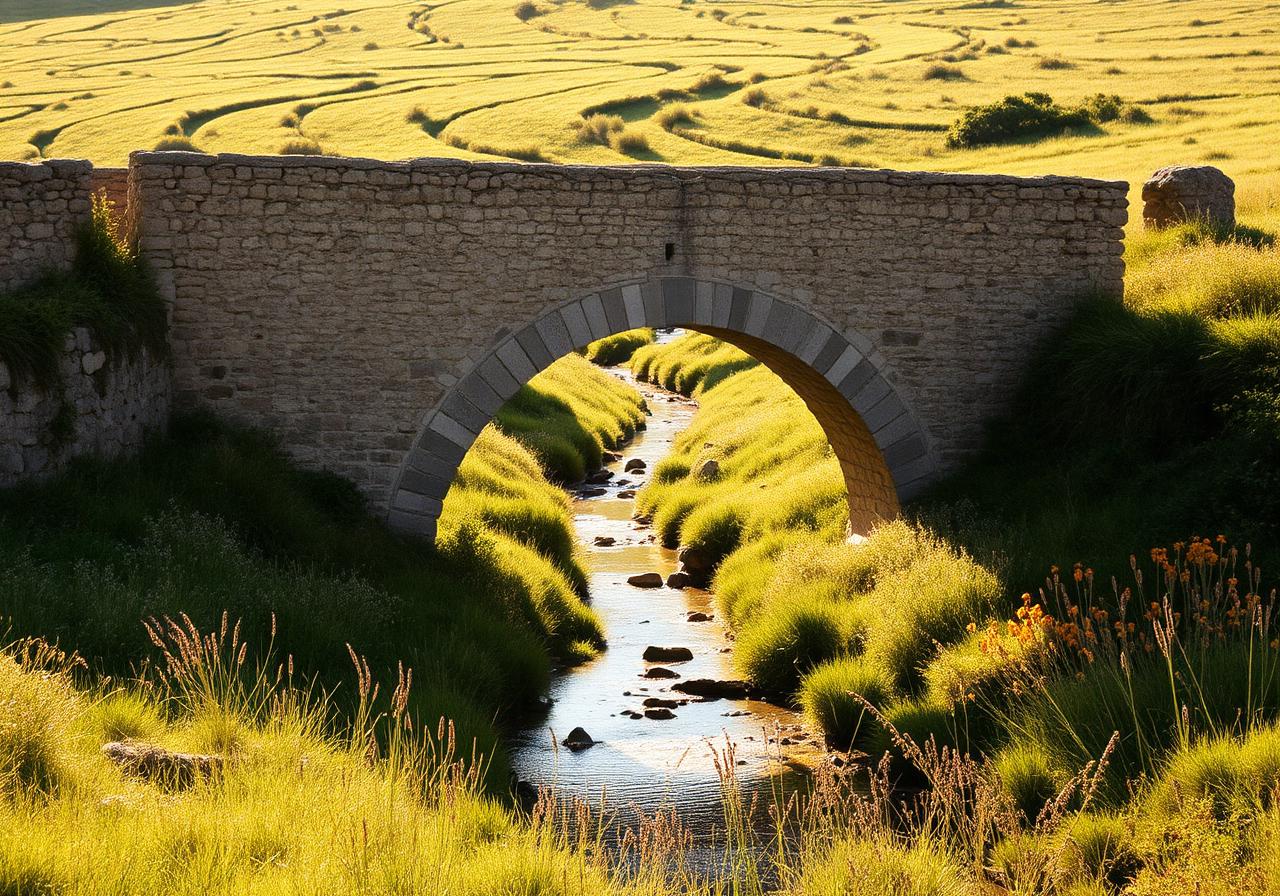
The Camino Francés, or French Way, is the most famous route of the Camino de Santiago.
For many people, it is the classic Camino: a long walk from Saint-Jean-Pied-de-Port in the French Basque Country, over the Pyrenees, across northern Spain, and finally into Santiago de Compostela. It passes through some of the most iconic Camino cities and towns, including Pamplona, Burgos, León, Astorga, Ponferrada, Sarria, and Santiago.
But the Camino Francés is more than a popular walking route. It is one of the most historically important pilgrimage roads in Europe.
For centuries, pilgrims from France and beyond followed this route toward the tomb of Saint James. Along the way, monasteries, churches, bridges, hospitals, towns, and cathedrals grew to support them. The Camino Francés became the backbone of the medieval pilgrimage to Santiago and remains the best-known Camino route today.
What is the Camino Francés? The Camino Francés is the main route of the Camino de Santiago across northern Spain. The modern route is usually described as beginning in Saint-Jean-Pied-de-Port, crossing the Pyrenees into Spain, and continuing west through Navarra, La Rioja, Castilla y León, and Galicia before reaching Santiago de Compostela. The full distance is roughly 780 kilometers, depending on exact route variations. Historically, the route connected with pilgrimage roads coming from France. That is why it became known as the French Way. Although many pilgrims now begin in Saint-Jean-Pied-de-Port, others start farther along the route in cities such as Pamplona, Burgos, León, or Sarria.
Why is it called the French Way? The name Camino Francés means French Way. This does not mean the entire route is in France. Rather, it reflects the fact that many medieval pilgrims entered Spain from France and followed this path toward Santiago. Several major pilgrimage roads passed through France before joining near the Pyrenees. From there, pilgrims crossed into the Iberian Peninsula and continued west. Over time, this route became the most established and heavily traveled path to Santiago. The name preserves the memory of the thousands of European pilgrims who reached Spain through France.
Early origins of the route. The Camino Francés developed after the reported discovery of Saint James' tomb in the 9th century. As Santiago de Compostela became known as a sacred destination, pilgrims began traveling there from different parts of Europe. Roads through northern Spain became increasingly important because they connected the Christian kingdoms of the north with Galicia. At first, pilgrimage routes were likely more flexible than today. Pilgrims followed existing Roman roads, trade paths, local tracks, and safer corridors through settled areas. Over time, certain roads became favored because they offered better shelter, safer passage, religious institutions, and support from local rulers. The Camino Francés gradually emerged from this process.
The route and the medieval Christian kingdoms. The growth of the Camino Francés was closely tied to the medieval Christian kingdoms of northern Spain. During the centuries of the Reconquista, Christian kingdoms expanded and reorganized territory across the Iberian Peninsula. The pilgrimage route to Santiago became both a religious road and a symbol of Christian identity. Kings and nobles supported the route by encouraging settlement, protecting roads, granting privileges to towns, and funding bridges, churches, and hospitals. The Camino Francés helped connect regions politically, spiritually, and economically. Its importance cannot be separated from the broader history of medieval Spain.
The Camino Francés and the Pyrenees. For many pilgrims, the Camino Francés begins with one of its most dramatic stages: the crossing of the Pyrenees. The traditional route from Saint-Jean-Pied-de-Port to Roncesvalles is physically demanding and historically significant. It links France and Spain through a mountain landscape that has long been crossed by soldiers, traders, travelers, and pilgrims. Roncesvalles became an important pilgrim stop, known for its monastery and hospitality. The crossing of the Pyrenees gave the Camino Francés a powerful symbolic beginning. Pilgrims left one world behind and entered the long road across Spain toward Santiago.
Roncesvalles and pilgrim hospitality. Roncesvalles has played an important role in the history of the Camino Francés. Located just after the Pyrenean crossing, it became a place of rest and care for pilgrims entering Spain. Its religious institutions offered shelter, food, and spiritual support. For medieval pilgrims, such places were essential. After crossing difficult terrain, they needed safety and recovery. Roncesvalles remains one of the iconic starting points or early milestones of the Camino Francés today.
Pamplona and the Camino. Pamplona is one of the first major cities on the Camino Francés after the Pyrenees. Historically, it was an important city in the Kingdom of Navarre and a key stop for pilgrims. Its walls, churches, streets, and markets made it a natural place to rest and resupply. The Camino brought travelers, ideas, trade, and culture through Pamplona for centuries. For modern pilgrims, Pamplona is often the first major urban experience after several days of walking.
La Rioja and the monastic tradition. After Navarra, the Camino Francés passes through La Rioja, a region known for wine, monasteries, and historic towns. Places such as Nájera and Santo Domingo de la Calzada became important Camino stops. Santo Domingo de la Calzada is especially tied to pilgrimage history because of its association with Saint Dominic of the Causeway, who helped build roads and bridges for pilgrims. The region reflects how the Camino depended on practical infrastructure as much as spiritual devotion. Better roads, bridges, and shelters made pilgrimage possible.
Burgos and the power of cathedral cities. Burgos became one of the great cities of the Camino Francés. Its cathedral is one of the most impressive landmarks along the route and a masterpiece of Gothic architecture. For medieval pilgrims, Burgos offered religious significance, urban services, markets, and a place to rest. Large cities like Burgos show how the Camino connected pilgrimage with economic and cultural life. Pilgrims were not isolated from society. They passed through major centers of power, trade, and art.
The Meseta: the long interior. One of the most distinctive parts of the Camino Francés is the Meseta, the broad plateau of Castilla y León. Historically, this region could be physically and mentally challenging for pilgrims. Long distances, open landscapes, heat, cold, wind, and limited shade made the journey difficult. But the Meseta also became one of the defining spiritual landscapes of the Camino. For many pilgrims, both medieval and modern, the long interior stretches encourage reflection, endurance, and simplicity. The Meseta reminds walkers that the Camino is not only about beautiful views. It is also about patience.
León and medieval pilgrimage culture. León was another major city on the Camino Francés. As a royal and religious center, it played an important role in medieval Spain. Its cathedral, churches, hospitals, and city life made it a significant stop for pilgrims. The city also reflects the deep connection between the Camino and political power. Royal courts, religious institutions, and pilgrim infrastructure often overlapped in important Camino cities. For modern pilgrims, León remains one of the route's great highlights.
Astorga and the meeting of routes. Astorga is historically important because it sits at a point where major routes connect. The Camino Francés and the Via de la Plata are linked through this region, making Astorga a place of movement and exchange. Its Roman heritage, cathedral, and later architecture show the many historical layers of the Camino. Pilgrims passing through Astorga experience a city shaped by roads long before the modern Camino existed.
O Cebreiro and Galicia. O Cebreiro is one of the most symbolic places on the Camino Francés. Located at the entrance to Galicia, it is known for its mountain setting, traditional pallozas, and strong Camino identity. It was also associated with the modern revival of the route through the work of Father Elías Valiña, who helped mark the Camino with yellow arrows. For pilgrims, reaching Galicia often feels like entering the final chapter of the journey. O Cebreiro represents both ancient tradition and modern Camino renewal.
Sarria and the modern Camino. Sarria has become one of the most popular starting points on the Camino Francés. This is because it is located just over 100 kilometers from Santiago, the minimum walking distance required for many pilgrims to qualify for the Compostela certificate. Historically, Sarria was one of many towns along the route. In modern times, it has become especially important because so many pilgrims begin there. This shows how the Camino continues to evolve. Different periods create different centers of importance.
Santiago: the final destination. The Camino Francés ends in Santiago de Compostela, at the cathedral traditionally connected to the tomb of Saint James. For medieval pilgrims, reaching Santiago meant completing a sacred journey. For modern pilgrims, it can mean many things: faith, achievement, healing, grief, gratitude, adventure, or transformation. The final arrival gives meaning to the long road. The Camino Francés became famous because it carried countless pilgrims to this destination.
The Camino Francés in the Codex Calixtinus. The Codex Calixtinus, a 12th-century manuscript connected to the pilgrimage to Santiago, includes route information that helped define the medieval Camino. Its pilgrim guide section describes roads, towns, dangers, and holy places on the way to Santiago. This shows that the Camino Francés and its connected routes were already well established by the 12th century. The Codex helped preserve the idea of a structured pilgrimage road across northern Spain.
Pilgrim hospitals along the Camino Francés. Pilgrim hospitals were essential to the history of the Camino Francés. They provided shelter, food, rest, and care for travelers. Some were connected to monasteries or religious orders. Others were supported by kings, nobles, towns, or charitable communities. These hospitals made long-distance pilgrimage possible. Modern albergues carry forward part of this tradition, even though the Camino today is much safer and more comfortable.
Decline of the Camino Francés. Like the wider Camino, the Camino Francés declined after the Middle Ages. Religious changes, political instability, wars, shifting travel patterns, and changing attitudes toward pilgrimage reduced the number of walkers. Some infrastructure fell into disuse. Sections of the route became forgotten or locally maintained rather than internationally known. For centuries, the Camino Francés remained important but far less traveled than during its medieval peak.
The modern revival of the Camino Francés. The modern revival of the Camino Francés took shape in the 20th century. Local priests, historians, associations, volunteers, and communities helped restore the route, mark paths, reopen shelters, and promote the pilgrimage internationally. Father Elías Valiña of O Cebreiro played a major role in marking the route with yellow arrows. By the late 20th and early 21st centuries, the Camino Francés had become globally famous again. Today, it is the most walked Camino route.
Why the Camino Francés became the most popular route. The Camino Francés became the most popular route for several reasons. It has deep history, strong infrastructure, frequent accommodation, famous towns, varied landscapes, and a clear traditional path to Santiago. It is challenging but manageable, social but still personal, historic but accessible. For first-time pilgrims, it often feels like the natural place to begin. Its popularity can create crowds, especially in peak season and near Sarria, but it also creates community. For many pilgrims, the Camino Francés is the classic Camino experience.
Why its history still matters. Understanding the history of the Camino Francés changes how you experience the route. The towns become more than stops. The churches become more than buildings. The bridges, roads, hospitals, and monasteries become reminders of centuries of movement. When you walk the Camino Francés, you are walking a path shaped by medieval pilgrims, kings, monks, builders, volunteers, and countless ordinary people. Its history is not distant. It is under your feet.
Final thoughts. The Camino Francés is the most famous route of the Camino de Santiago because it carries the deepest layers of pilgrimage history. It grew from early roads to Santiago into the classic medieval route across northern Spain. It was supported by kings, churches, monasteries, hospitals, towns, and generations of pilgrims. It declined, survived, and was revived into the route walked by hundreds of thousands today. For many modern pilgrims, the Camino Francés is more than a trail. It is the Way in its most iconic form. Buen Camino.
Keep exploring
Next stops & related posts
Towns, stages, and stories connected to this article — your jumping-off points to plan the next stretch of the Camino.
Pilgrim guides
- All Camino routes
- Camino Francés stages
- Camino Portugués stages
- Camino del Norte stages
- Roncesvalles monastery & albergue
- Samos monastery lodging
- Foncebadón mountain albergues
- O Cebreiro pilgrim shelters
- All lodging articles
- Camino Primitivo (mountain terrain)
- Camino del Norte (coastal weather)
- Foncebadón (high pass)
- O Cebreiro (Galician mountains)
- Compare all routes
- Camino Francés overview
- Camino Inglés (shorter option)
- All planning articles
- Santiago de Compostela cathedral
- León cathedral city
- Burgos cathedral city
- Samos monastery
- Roncesvalles monastery
- O Cebreiro pre-Romanesque church
- All history articles
Towns to visit
Navarra
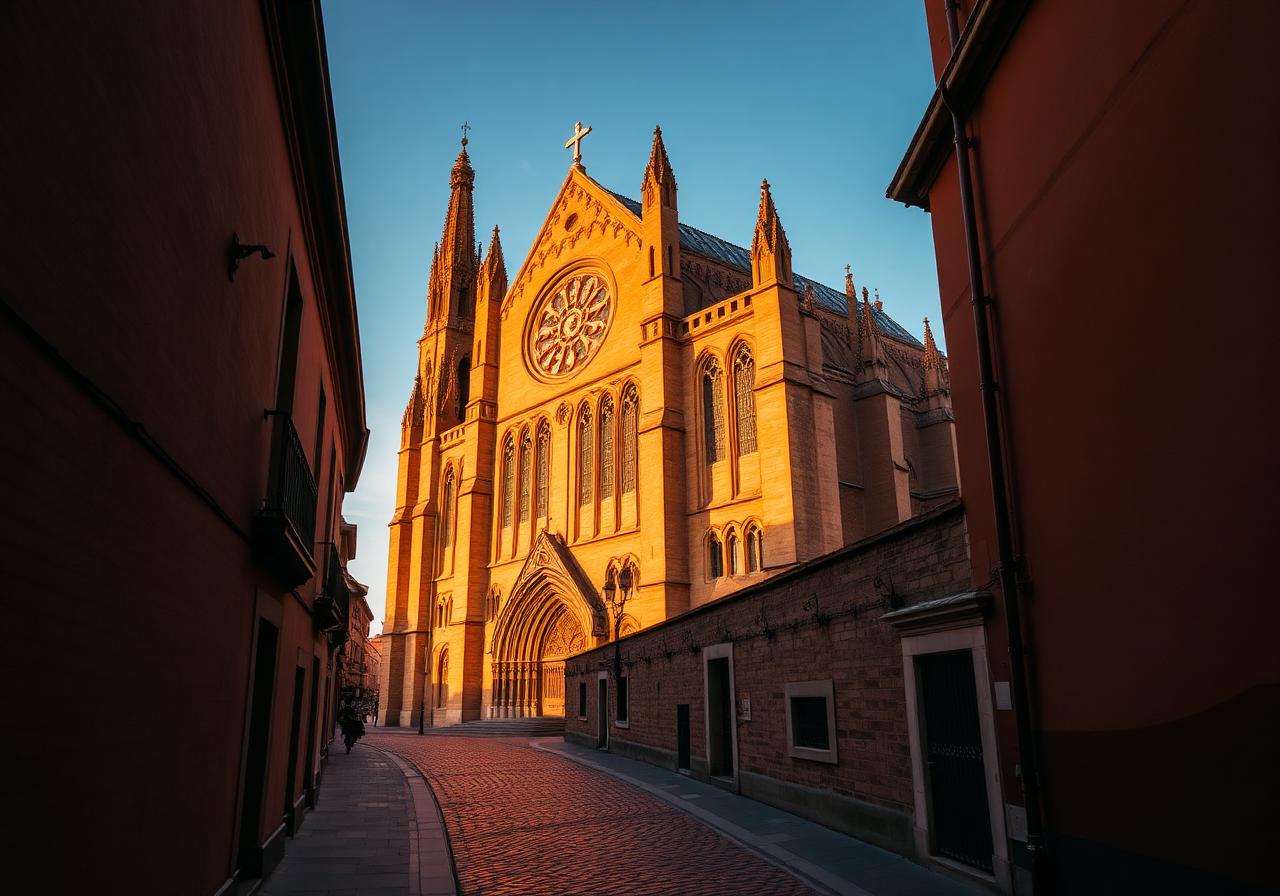
Roncesvalles
A Romanesque monastery in a Pyrenean clearing — the official Spanish start of the Francés.
Castilla y León
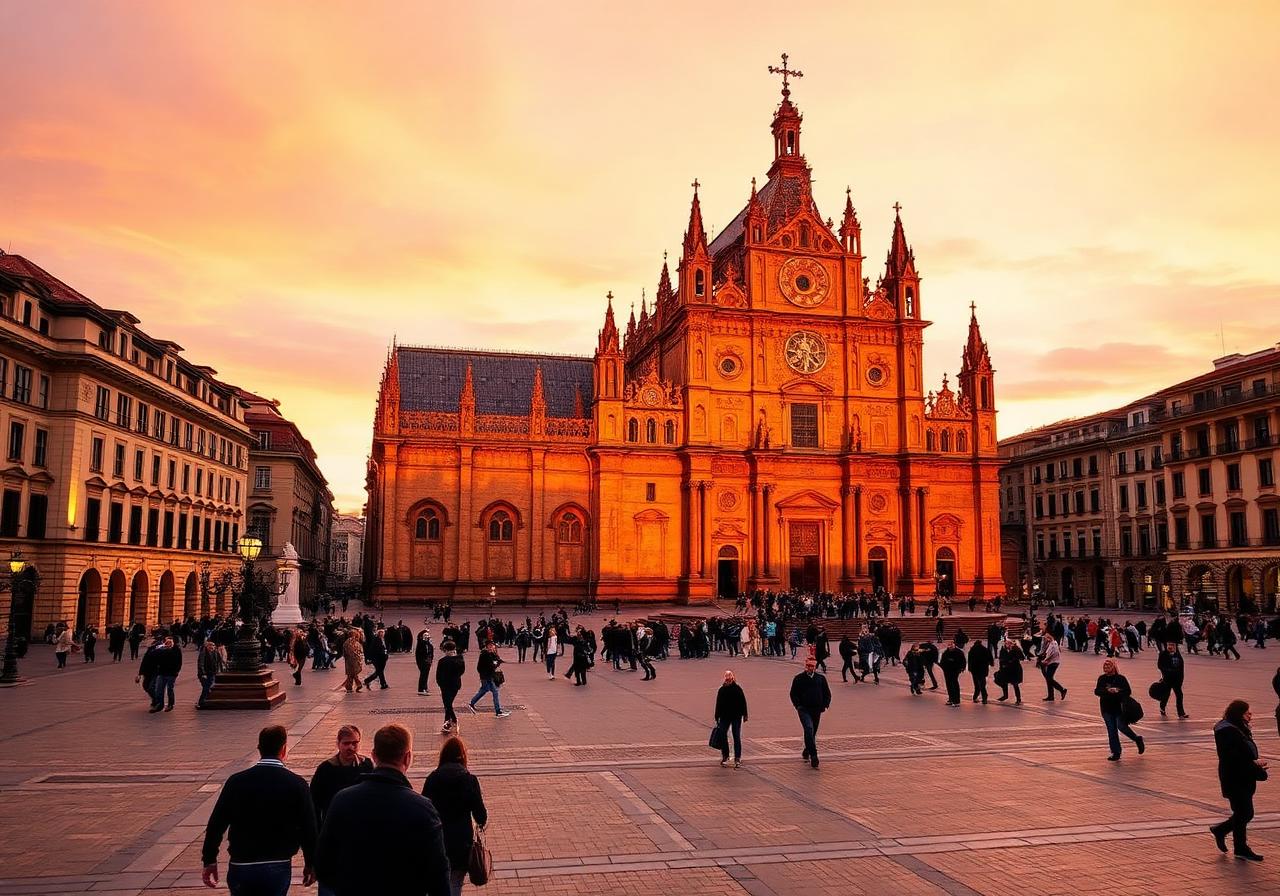
Burgos
Castile's medieval capital — home to one of Spain's greatest Gothic cathedrals.
Galicia
Santiago de Compostela
The journey's end — and for many pilgrims, a new beginning.
Castilla y León
León
A spirited cathedral city marking the gateway to the final third of the Francés.
Pyrénées-Atlantiques, France
Saint-Jean-Pied-de-Port
The traditional starting point — a fortified Basque town at the foot of the Pyrenees.
Navarra
Pamplona
The first city on the Francés — Hemingway's town, famous for the Running of the Bulls.
La Rioja
Nájera
A red-cliff town with a royal pantheon carved into the rock.
La Rioja
Santo Domingo de la Calzada
The town built by a saint to serve pilgrims — and home to the famous live rooster.
Suggested stages
Related routes
Histories of the other Camino routes
How each major Camino route grew up alongside the Francés — and the stories that still shape them today.
Culture
The History of the Camino Portugués
Discover the history of the Camino Portugués, one of the most important routes to Santiago de Compostela, from medieval Portuguese pilgrims to the modern Portuguese Way.
Culture
The History of the Camino del Norte
Discover the history of the Camino del Norte, the Northern Way to Santiago de Compostela, from early coastal pilgrimage routes to its modern revival.
Culture
The History of the Camino Primitivo
Discover the history of the Camino Primitivo, the Original Way to Santiago de Compostela, from King Alfonso II's early pilgrimage to its modern revival.
Culture
The History of the Camino Inglés
Discover the history of the Camino Inglés, the English Way to Santiago de Compostela, used by medieval pilgrims arriving by sea from England, Ireland, and northern Europe.
Culture
Why Did Pilgrims Walk to Finisterre?
Discover why pilgrims walked from Santiago to Finisterre, the "end of the world," and how this Atlantic extension became one of the most meaningful parts of the Camino.
Culture
The Complete History of the Camino de Santiago
From the legend of Saint James and medieval pilgrimage routes to the modern revival — a thousand-year story behind the Way of Saint James.
Related posts
Culture
churches along the Camino de Santiago
Explore the role of monasteries and churches along the Camino de Santiago and how they supported pilgrims through shelter, prayer, hospitality, and history.
Practical
Camino Francés guide
Everything you need to plan the most popular Camino: 33 stages from Saint-Jean-Pied-de-Port to Santiago, with town stops, distances, and honest tips.
Culture
churches on the Camino Francés
From the Romanesque jewel of Eunate to the Gothic glass of León, the Francés is a moving cathedral of stone.
More posts like this
Articles that share keywords, routes, or towns with this one.
Culture
The Role of Monasteries and Churches Along the Camino de Santiago
- 1 shared route
- 4 shared towns
Culture
How the Camino de Santiago Became One of Europe's Great Pilgrimages
- 1 shared route
- 3 shared towns
Culture
The Complete History of the Camino de Santiago
- 1 shared route
- 3 shared towns
Culture
Top 10 Churches to See on the Camino Francés
- 1 shared route
- 3 shared towns
Read next
Culture
The Role of Monasteries and Churches Along the Camino de Santiago
Explore the role of monasteries and churches along the Camino de Santiago and how they supported pilgrims through shelter, prayer, hospitality, and history.
12 min read
Culture
How the Camino de Santiago Became One of Europe's Great Pilgrimages
Discover how the Camino de Santiago grew from a local shrine in Galicia into one of medieval Europe's greatest pilgrimage routes.
14 min read
Culture
The Complete History of the Camino de Santiago
From the legend of Saint James and medieval pilgrimage routes to the modern revival — a thousand-year story behind the Way of Saint James.
14 min read
Culture
Top 10 Churches to See on the Camino Francés
From the Romanesque jewel of Eunate to the Gothic glass of León, the Francés is a moving cathedral of stone.
9 min read
Practical
Complete Guide to the Camino Francés (Stages, Towns, Tips)
Everything you need to plan the most popular Camino: 33 stages from Saint-Jean-Pied-de-Port to Santiago, with town stops, distances, and honest tips.
18 min read
Culture
The Codex Calixtinus: The First Camino Guidebook?
Learn about the Codex Calixtinus, the 12th-century manuscript often called the first Camino guidebook, and its importance in the history of the Camino de Santiago.
12 min read