
Culture
The History of the Camino Primitivo
Discover the history of the Camino Primitivo, the Original Way to Santiago de Compostela, from King Alfonso II's early pilgrimage to its modern revival.
April 29, 2026 · 12 min read
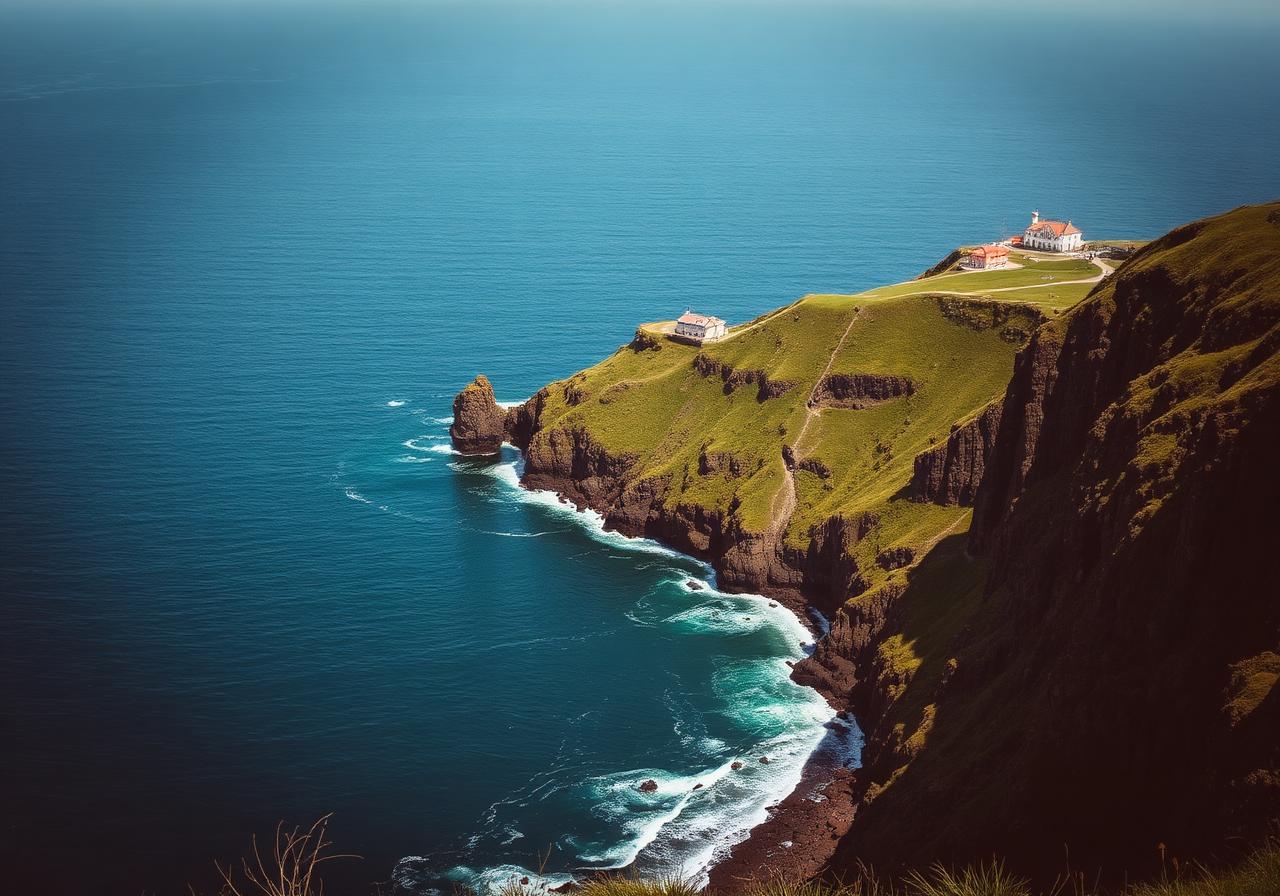
The Camino Primitivo is often called the Original Way. This route begins in Oviedo and crosses the mountains and rural landscapes of Asturias and Galicia before reaching Santiago de Compostela. It is shorter than the Camino Francés but known for being physically demanding, beautiful, quiet, and deeply historic.
The Camino Primitivo is important because tradition connects it to one of the earliest pilgrimages to Santiago. According to Camino history, King Alfonso II of Asturias traveled from Oviedo to the newly discovered tomb of Saint James in the 9th century. Because of this, the Primitivo is often described as the first Camino route. For modern pilgrims, the Camino Primitivo offers more than a challenging walk. It offers a connection to the earliest story of the Camino de Santiago.
What is the Camino Primitivo? The Camino Primitivo is a Camino de Santiago route that begins in Oviedo, in Asturias, and continues west through Lugo before joining the Camino Francés near Melide or shortly before Santiago, depending on the variation. The full route is roughly 320 kilometers. It passes through mountain landscapes, rural villages, forests, farmland, historic towns, and remote sections that feel very different from the busier Camino Francés. The name 'Primitivo' means 'primitive' or 'original,' but in this context it does not mean undeveloped or crude. It refers to the route's early historical importance. The Camino Primitivo is considered by many to be the original pilgrimage route to Santiago.
Why is it called the Original Way? The Camino Primitivo is called the Original Way because of its connection to King Alfonso II of Asturias. After the reported discovery of Saint James' tomb in Galicia in the 9th century, Alfonso II is said to have traveled from Oviedo to visit and honor the site. This journey is traditionally regarded as one of the first recorded pilgrimages to Santiago. Because Alfonso's route began in Oviedo and moved west toward Galicia, the modern Camino Primitivo is associated with that early journey. Whether every detail can be proven historically or not, the tradition gives the route a special place in Camino history.
King Alfonso II and the first pilgrimage. King Alfonso II ruled the Kingdom of Asturias during a crucial period in the early Middle Ages. When news spread that the tomb of Saint James had been discovered, Alfonso is said to have made the journey to the site. His pilgrimage helped confirm the importance of Santiago and gave royal support to the new shrine. This mattered enormously. In the medieval world, royal recognition could transform a local religious site into a major center of devotion. Alfonso's support helped establish Santiago de Compostela as a place worthy of pilgrimage. The Camino Primitivo carries the memory of that first royal journey.
Oviedo: the historic starting point. Oviedo is the traditional starting point of the Camino Primitivo. In the early Middle Ages, Oviedo was an important royal and religious center in the Kingdom of Asturias. It was a place of power, faith, and cultural identity in northern Spain. The city also held important relics, making it significant for pilgrims. A famous medieval saying connected to pilgrimage declared: 'Whoever goes to Santiago and not to the Savior, visits the servant and misses the Lord.' This referred to the importance of the Cathedral of San Salvador in Oviedo. Many pilgrims believed that visiting Oviedo was spiritually important before continuing to Santiago.
The religious importance of Oviedo. Oviedo's Cathedral of San Salvador played a major role in the history of the route. The cathedral housed important relics and became a destination for pilgrims in its own right. For some medieval pilgrims, visiting Oviedo was a key part of the journey toward Santiago. This means the Camino Primitivo was not simply a road from Oviedo to Santiago. It was part of a larger sacred geography. Pilgrims moved from one holy place to another, carrying prayers, vows, and hopes with them. Oviedo gave the route spiritual weight before the first step westward.
Asturias and the early Christian kingdoms. The history of the Camino Primitivo is deeply connected to Asturias. During the early Middle Ages, Asturias was one of the northern Christian kingdoms in the Iberian Peninsula. Its mountains and geography helped shape its identity and history. Because Santiago's tomb was discovered during this period, the support of Asturian rulers was essential. The Camino Primitivo reflects this early northern world. It belongs to a time before the Camino Francés became the dominant route and before the pilgrimage network became fully international. Walking the Primitivo today gives pilgrims a sense of that older Camino landscape.
A mountain route with ancient roots. The Camino Primitivo crosses difficult terrain. Its mountains, valleys, forests, and rural paths make it one of the more physically demanding Camino routes. In medieval times, these challenges would have been even greater. Pilgrims faced poor roads, unpredictable weather, steep climbs, river crossings, hunger, illness, and isolation. The difficulty of the route may have added to its spiritual meaning. In pilgrimage tradition, hardship often becomes part of transformation. The Camino Primitivo embodies that idea powerfully.
Why the route was important early on. The Primitivo was important because it connected Oviedo, a major northern Christian center, with Santiago, the emerging shrine of Saint James. Before the Camino Francés became the most established route, northern routes played a crucial role in the development of the pilgrimage. The Primitivo was direct enough to connect important sacred and political centers, but difficult enough to require determination. It helped form the earliest phase of pilgrimage to Santiago.
The Camino Primitivo and the Camino del Norte. The Camino Primitivo is closely connected to the Camino del Norte. Pilgrims walking the Northern Way can turn inland toward Oviedo and then continue on the Primitivo toward Santiago. This connection reflects the historical importance of northern routes before the interior Camino Francés became dominant. The northern Camino network was flexible. Pilgrims moved through coastal roads, mountain routes, cities, monasteries, and local paths depending on safety, devotion, and geography. The Primitivo is part of that older northern Camino world.
Lugo and Roman history. One of the major highlights of the Camino Primitivo is Lugo. Lugo is famous for its Roman walls, which are among the best-preserved in the world. The city adds another historical layer to the route. Pilgrims walking through Lugo encounter not only medieval pilgrimage history but also Roman heritage. This is one of the things that makes the Camino Primitivo so rich. It moves through landscapes shaped by multiple eras: Roman roads, early medieval kingdoms, Christian pilgrimage, rural Galician culture, and modern Camino revival.
Joining the Camino Francés. Near the final stages, the Camino Primitivo eventually joins the Camino Francés. Many pilgrims connect with the French Way near Melide, where the atmosphere changes. After quieter mountain and rural stages, the route suddenly becomes busier with pilgrims coming from Sarria and other points on the Camino Francés. This transition can feel dramatic. It also reflects the larger Camino network. Different routes eventually converge as pilgrims approach Santiago. The Primitivo may begin as a quieter, older path, but it ends as part of the great movement toward Compostela.
Santiago as the destination. The Camino Primitivo ends, like the other major routes, in Santiago de Compostela. For early pilgrims, the destination was the tomb of Saint James. For modern pilgrims, Santiago may carry religious, spiritual, emotional, or personal meaning. Because the Primitivo is tied to one of the earliest journeys to Santiago, arriving in the city can feel especially powerful. Pilgrims are not only completing a physical route. They are following one of the oldest threads in Camino history.
Why the Camino Francés became more popular. Although the Camino Primitivo is older, the Camino Francés eventually became the dominant route. There were several reasons for this. The French Way had better connections to the rest of Europe, more towns, stronger infrastructure, more pilgrim hospitals, and easier terrain in many sections. As pilgrimage grew internationally, the Camino Francés became more practical for large numbers of pilgrims. The Primitivo remained important, but it was less traveled because it was more remote and physically demanding.
Decline of the Camino Primitivo. Like the wider Camino network, the Camino Primitivo declined after the medieval period. Religious changes, political instability, modernization, and shifting travel patterns reduced pilgrimage numbers. Remote routes like the Primitivo became especially quiet. Some traditions survived locally, but the route was far less known internationally for centuries. Its history remained, but its visibility faded.
The modern revival. The modern Camino revival brought renewed interest to the Camino Primitivo. As more pilgrims began walking the Camino Francés and other routes, many started seeking quieter, more challenging, and historically rich alternatives. The Primitivo appealed to walkers who wanted a physically demanding Camino with deep roots and fewer crowds. Improved waymarking, accommodation, and guide resources have helped make the route more accessible while still preserving its rugged character. Today, the Camino Primitivo is one of the most respected Camino routes.
Why modern pilgrims choose the Primitivo. Modern pilgrims choose the Camino Primitivo for many reasons. Some are drawn by its reputation as the Original Way. Others want the challenge of mountain walking. Some prefer fewer crowds, rural landscapes, and a more reflective experience. The Primitivo offers a different rhythm than the Camino Francés. It is quieter, harder, and often more solitary. For many pilgrims, that is exactly what makes it meaningful.
The spiritual character of the route. The Camino Primitivo has a strong spiritual atmosphere, even for pilgrims who are not religious. Its quiet roads, mountain views, remote stretches, and physical difficulty create space for reflection. The route asks more from the body, and because of that, it often asks more from the mind. Pilgrims may find themselves thinking deeply during long climbs, silent paths, and difficult weather. The route's history as the Original Way adds to that feeling. Walking it can feel like stepping closer to the earliest spirit of the Camino.
Why its history still matters. The history of the Camino Primitivo matters because it reminds us that the Camino did not begin as a massive international trail system. It began with stories, local roads, royal devotion, sacred places, and early pilgrims walking through difficult terrain toward Santiago. The Primitivo preserves that older identity. It is a reminder that the Camino was born in the north, in mountains and small kingdoms, before it became famous across Europe.
Final thoughts. The Camino Primitivo is one of the most historically important routes of the Camino de Santiago. Known as the Original Way, it is traditionally connected to King Alfonso II of Asturias and one of the earliest pilgrimages to the tomb of Saint James. Beginning in Oviedo and crossing the mountains into Galicia, it carries pilgrims through landscapes filled with religious, royal, Roman, and rural history. Though it was later overshadowed by the Camino Francés, the Primitivo has returned as a beloved route for pilgrims seeking challenge, quiet, and depth. For those who walk it today, the Camino Primitivo is more than a path to Santiago. It is a walk into the beginning of the Camino itself. Buen Camino.
Keep exploring
Next stops & related posts
Towns, stages, and stories connected to this article — your jumping-off points to plan the next stretch of the Camino.
Pilgrim guides
- All Camino routes
- Camino Francés stages
- Camino Portugués stages
- Camino del Norte stages
- Roncesvalles monastery & albergue
- Samos monastery lodging
- Foncebadón mountain albergues
- O Cebreiro pilgrim shelters
- All lodging articles
- Camino Primitivo (mountain terrain)
- Camino del Norte (coastal weather)
- Foncebadón (high pass)
- O Cebreiro (Galician mountains)
- Santiago de Compostela cathedral
- León cathedral city
- Burgos cathedral city
- Samos monastery
- Roncesvalles monastery
- O Cebreiro pre-Romanesque church
- All history articles
Towns to visit
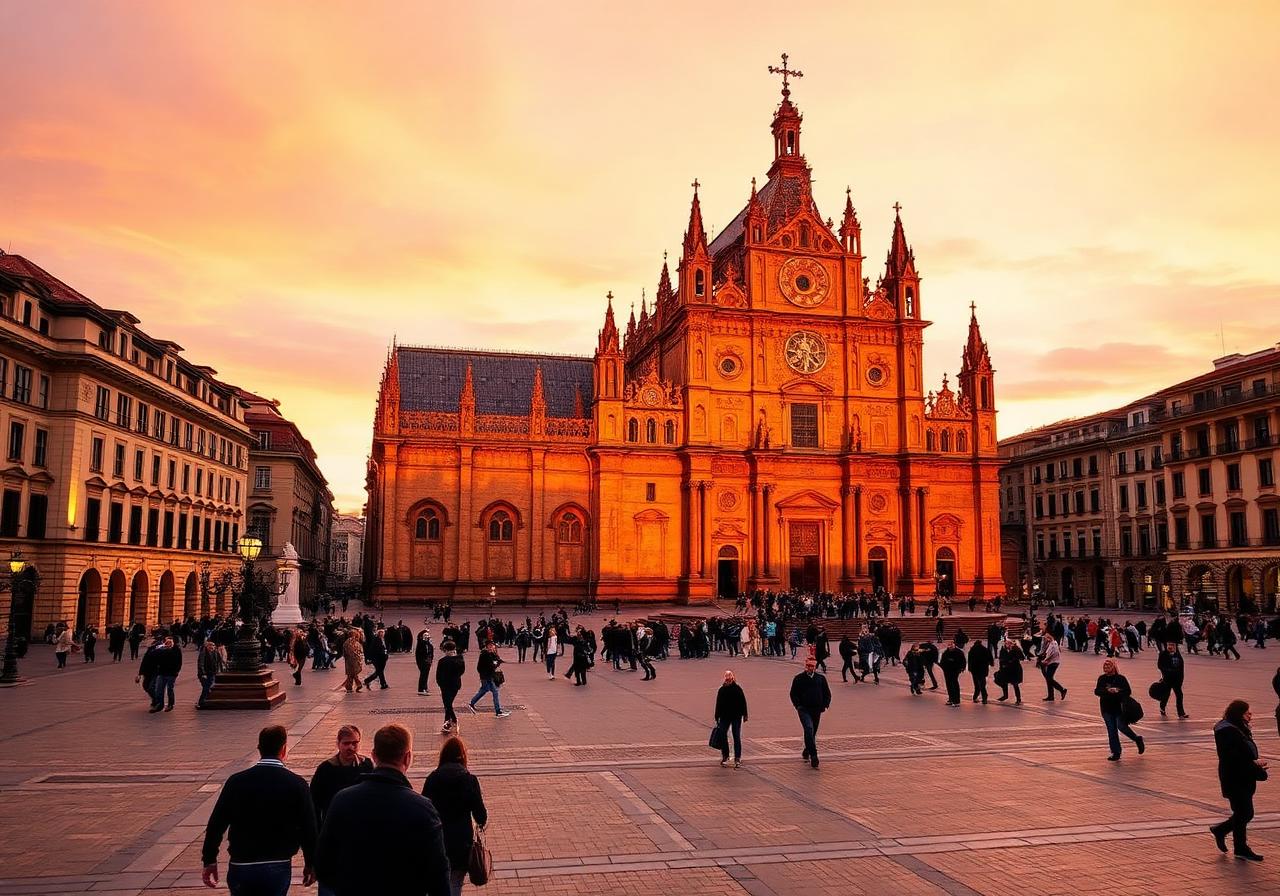
A Coruña, Galicia
Melide
The Camino's pulpo capital — where the Francés meets the Camino Primitivo.
Galicia
Santiago de Compostela
The journey's end — and for many pilgrims, a new beginning.
Lugo, Galicia
Sarria
Where the busiest 100-km final push begins — and a charming medieval upper town.
Asturias
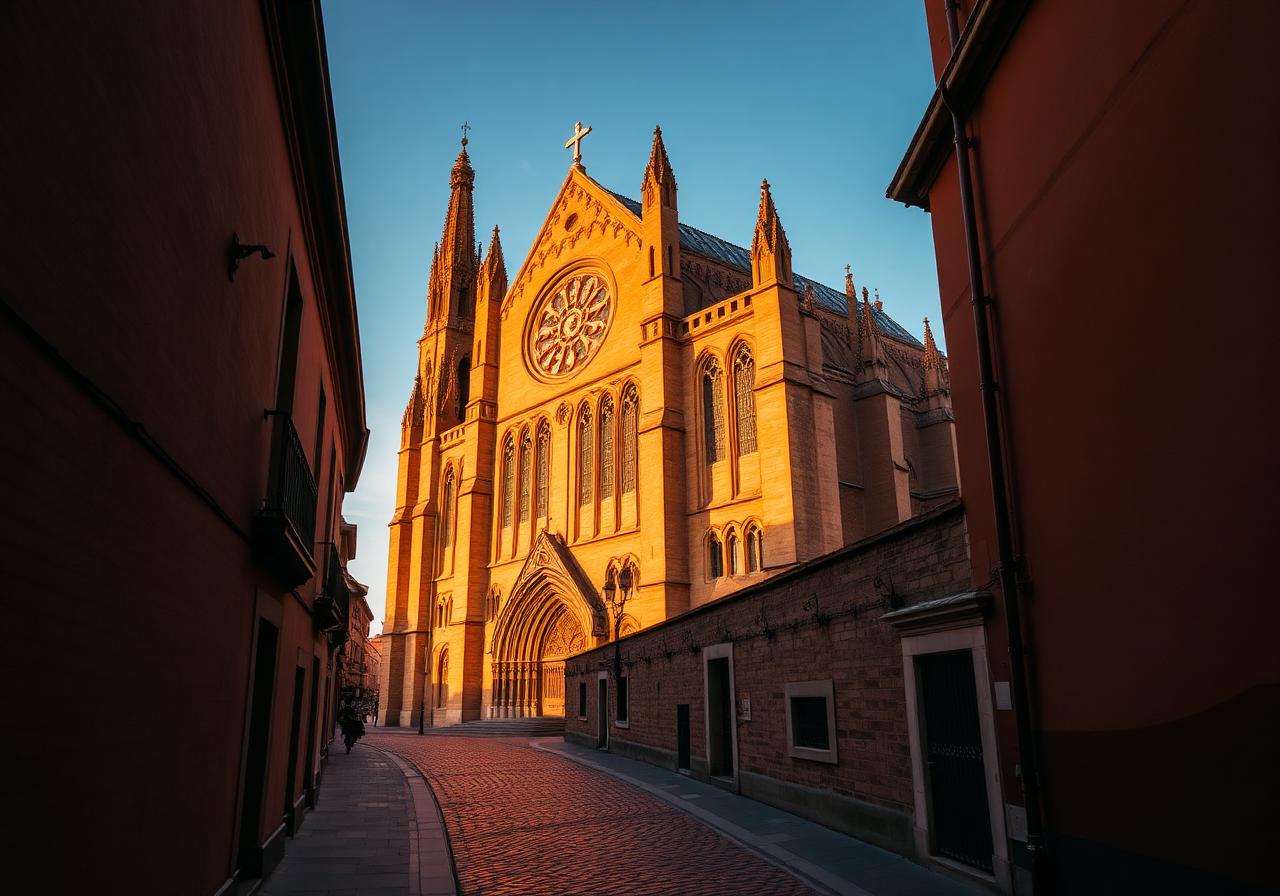
Oviedo
The royal capital of Asturias and birthplace of the Camino — where King Alfonso II began the first pilgrimage.
Galicia
Lugo
The only city in the world ringed by a complete Roman wall — a UNESCO masterpiece you can walk on top of.
Suggested stages
Camino del Norte · Stage 1
Irún → San Sebastián
24 km · 700 m · Challenging
Camino del Norte · Stage 2
San Sebastián → Zarautz
22 km · 580 m · Challenging
Camino del Norte · Stage 3
Zarautz → Deba
22 km · 750 m · Challenging
Camino Primitivo · Stage 11
Ferreira (San Romao da Retorta) → Melide
31 km · 380 m · Challenging
Camino Primitivo · Stage 12
Melide → Arzúa
14 km · 230 m · Easy
Camino Primitivo · Stage 13
Arzúa → O Pedrouzo
19 km · 280 m · Moderate
Related routes
Histories of the other Camino routes
The Original Way alongside the other historic Caminos — and the medieval pilgrimage world they all belong to.
Culture
The History of the Camino Francés
Discover the history of the Camino Francés, the most famous route of the Camino de Santiago, from its medieval origins to its modern revival.
Culture
The History of the Camino del Norte
Discover the history of the Camino del Norte, the Northern Way to Santiago de Compostela, from early coastal pilgrimage routes to its modern revival.
Culture
The History of the Camino Portugués
Discover the history of the Camino Portugués, one of the most important routes to Santiago de Compostela, from medieval Portuguese pilgrims to the modern Portuguese Way.
Culture
The History of the Camino Inglés
Discover the history of the Camino Inglés, the English Way to Santiago de Compostela, used by medieval pilgrims arriving by sea from England, Ireland, and northern Europe.
Culture
Why Did Pilgrims Walk to Finisterre?
Discover why pilgrims walked from Santiago to Finisterre, the "end of the world," and how this Atlantic extension became one of the most meaningful parts of the Camino.
Culture
The Complete History of the Camino de Santiago
From the legend of Saint James and medieval pilgrimage routes to the modern revival — a thousand-year story behind the Way of Saint James.
Related posts
Culture
Saint James Camino de Santiago
Learn who Saint James was, why he is connected to Santiago de Compostela, and how his legend became the foundation of the Camino de Santiago pilgrimage.
Culture
tomb of Saint James
Learn the story behind the discovery of Saint James' tomb in Santiago de Compostela and how this legend became the foundation of the Camino de Santiago pilgrimage.
Culture
Camino yellow arrows meaning
Discover the meaning of the yellow arrows on the Camino de Santiago, where they came from, and why they have become one of the most beloved symbols of The Way.
More posts like this
Articles that share keywords, routes, or towns with this one.
Culture
Who Was Saint James and Why Is He Connected to Santiago?
- 2 shared routes
- 1 shared town
Culture
The Meaning of the Yellow Arrows on the Camino de Santiago
- 2 shared routes
- 1 shared town
Culture
The History of the Camino Inglés
- 2 shared routes
- 1 shared town
Culture
Why Did Pilgrims Walk to Finisterre?
- 2 shared routes
- 1 shared town
Read next
Culture
Who Was Saint James and Why Is He Connected to Santiago?
Learn who Saint James was, why he is connected to Santiago de Compostela, and how his legend became the foundation of the Camino de Santiago pilgrimage.
12 min read
Culture
The Meaning of the Yellow Arrows on the Camino de Santiago
Discover the meaning of the yellow arrows on the Camino de Santiago, where they came from, and why they have become one of the most beloved symbols of The Way.
9 min read
Culture
The History of the Camino Inglés
Discover the history of the Camino Inglés, the English Way to Santiago de Compostela, used by medieval pilgrims arriving by sea from England, Ireland, and northern Europe.
12 min read
Culture
Why Did Pilgrims Walk to Finisterre?
Discover why pilgrims walked from Santiago to Finisterre, the "end of the world," and how this Atlantic extension became one of the most meaningful parts of the Camino.
11 min read
Culture
How the Camino de Santiago Declined and Was Revived
Discover how the Camino de Santiago declined after the Middle Ages and how it was revived into one of the world's most famous pilgrimage routes today.
13 min read
Culture
The Camino de Santiago in Modern Times
Explore the Camino de Santiago in modern times and how an ancient pilgrimage became a global journey of faith, adventure, healing, culture, and self-discovery.
13 min read