
Culture
The Codex Calixtinus: The First Camino Guidebook?
Learn about the Codex Calixtinus, the 12th-century manuscript often called the first Camino guidebook, and its importance in the history of the Camino de Santiago.
April 29, 2026 · 12 min read
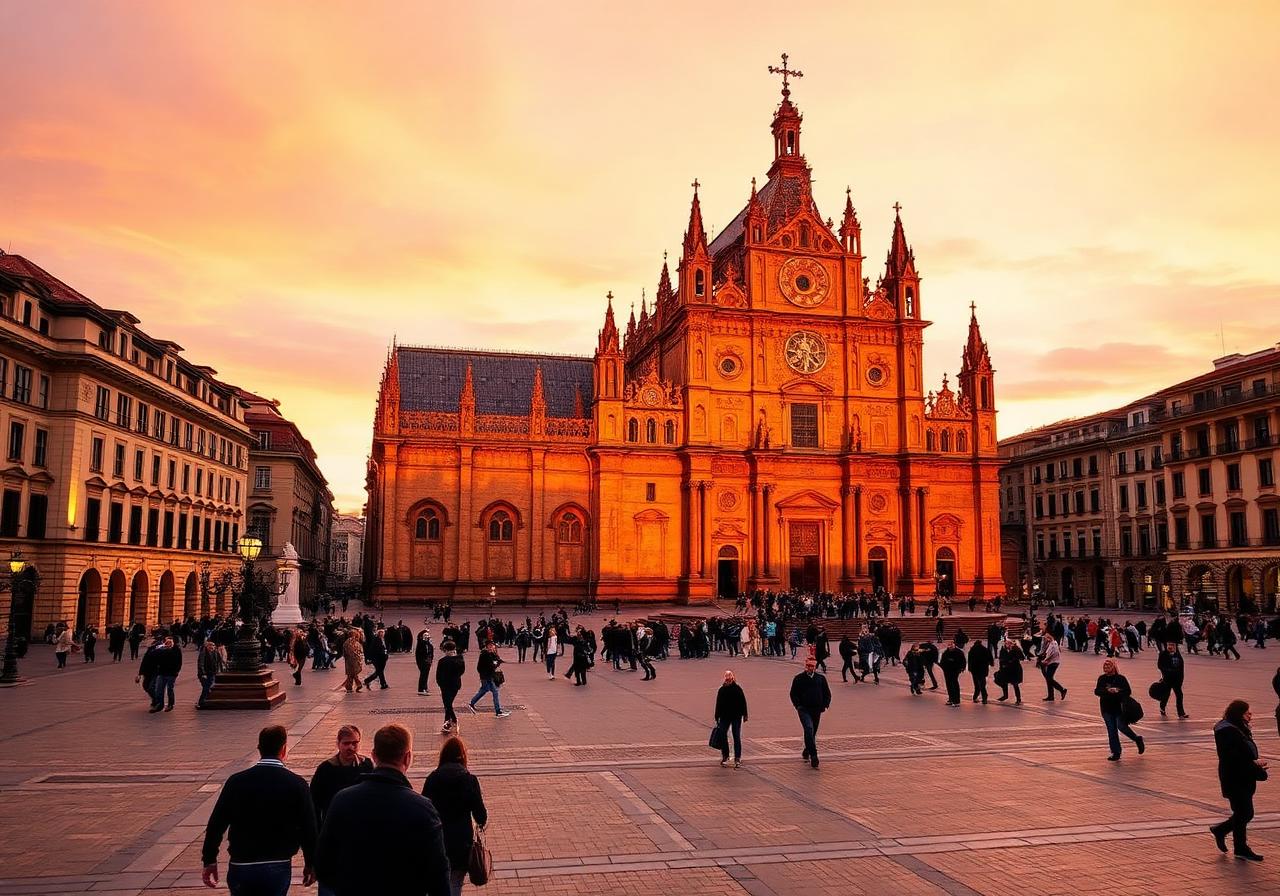
Long before Camino apps, guidebooks, maps, GPS tracks, Facebook groups, and YouTube videos, medieval pilgrims still needed practical advice.
They needed to know which roads to follow, which rivers were dangerous, which towns offered shelter, where to find churches, what regions were difficult, and what customs to expect. The Camino de Santiago was already an international pilgrimage by the 12th century, and pilgrims were coming from across Europe.
One of the most important documents connected to that medieval pilgrimage world is the Codex Calixtinus. Often described as an early Camino guidebook, the Codex Calixtinus is much more than a travel guide. It is a religious manuscript, a collection of texts about Saint James, a record of liturgy, a book of miracles, and one of the most valuable sources for understanding the medieval Camino. But was it really the first Camino guidebook? The answer is both yes and no.
What is the Codex Calixtinus. The Codex Calixtinus is a 12th-century manuscript associated with the cult of Saint James and the pilgrimage to Santiago de Compostela. It is also known as the Liber Sancti Jacobi, or the Book of Saint James. The manuscript contains different types of material, including sermons, liturgical texts, miracle stories, accounts of the transfer of Saint James' body, music, and a guide for pilgrims traveling to Santiago. Because it includes practical information about the route, it is often called the first guidebook for the Camino de Santiago. However, it was not a modern guidebook in the way we understand one today. It was a religious and cultural document created within the medieval Church.
Why it is called the Codex Calixtinus. The name Codex Calixtinus comes from Pope Calixtus II, who was traditionally associated with the text. Medieval manuscripts were sometimes linked to famous religious authorities to increase their prestige and legitimacy. Although the manuscript is connected by name to Calixtus II, scholars generally understand that the work was compiled by different authors or contributors. The exact authorship is complex and debated, but its connection to the Church and the cult of Saint James is clear. The text reflects the importance of Santiago de Compostela during the height of the medieval pilgrimage.
When the Codex Calixtinus was written. The Codex Calixtinus is usually dated to the 12th century, a time when the Camino de Santiago was flourishing. This was one of the great periods of medieval pilgrimage. Santiago had become a major spiritual destination, the Camino Francés was well established, and pilgrims were traveling from across Europe. The manuscript reflects a world in which the Camino was already organized enough to have recognized routes, known towns, religious stops, dangers, and traditions. It gives us a rare window into what the pilgrimage looked like during its medieval peak.
What the Codex Calixtinus contains. The Codex Calixtinus is traditionally divided into several books or sections. These include liturgical texts for the worship of Saint James, sermons and religious material, stories of miracles connected to Saint James, accounts of the transfer of Saint James' body to Galicia, music and chants, and a guide for pilgrims traveling to Santiago. The pilgrim guide section is the part most famous among Camino walkers today, but it is only one part of a much larger religious manuscript. This matters because the Codex was not written simply to help people find their way. It was written to promote devotion to Saint James and strengthen Santiago's role as a pilgrimage destination.
The pilgrim guide section. The most famous part of the Codex Calixtinus is often called Book V, or the pilgrim's guide. This section describes routes through France and Spain toward Santiago. It includes information about stages, towns, rivers, local people, religious sites, and dangers along the way. For modern readers, this section feels surprisingly familiar. It gives advice, warns travelers, identifies important stops, and explains what pilgrims can expect. In that sense, it does resemble a medieval version of a Camino guidebook. But it also reflects the values, prejudices, concerns, and worldview of its time.
What routes it described. The pilgrim guide describes major routes through France that joined together before entering Spain and continuing toward Santiago. These French routes helped form the international network that fed into the Camino Francés. Pilgrims from different parts of Europe could travel through France and then cross the Pyrenees into northern Spain. The guide helped organize the idea of the Camino as a connected journey across regions. It did not describe every modern Camino route. Instead, it focused on the main pilgrimage roads known and promoted in the medieval period.
Practical advice for medieval pilgrims. The Codex gives practical information that would have mattered to travelers. It mentions towns, rivers, regions, and distances. It highlights important churches and holy places. It warns about certain dangers and difficult areas. For pilgrims walking without modern tools, this kind of information was valuable. Knowing where to find water, where to cross rivers, where to avoid danger, or where to find religious sites could make the difference between a successful pilgrimage and disaster. The Codex shows that even medieval pilgrims needed guidance.
Descriptions of towns and regions. One of the fascinating parts of the Codex is how it describes different towns and regions. Some places are praised. Others are criticized harshly. The text sometimes reflects medieval stereotypes about local people, food, customs, or dangers. Modern readers should approach these passages carefully. They reveal as much about the attitudes of the writer as they do about the places described. Still, the descriptions help us understand how medieval pilgrims imagined the journey. The Camino was not only a religious road. It was a route through unfamiliar cultures and landscapes.
Warnings and dangers. The Codex Calixtinus includes warnings about dangers on the road. Medieval pilgrims faced real risks: thieves, illness, bad water, rough terrain, dangerous river crossings, and exploitation by dishonest locals or innkeepers. The guide's warnings show that pilgrimage was not romantic or easy. It was physically demanding and sometimes frightening. This is one reason the Camino held such spiritual value. The hardship was part of the journey. For medieval pilgrims, reaching Santiago meant surviving uncertainty.
Holy sites along the way. The Codex also highlights churches, relics, and sacred places along the route. Pilgrimage was not only about reaching the final destination. It was also about stopping at holy places along the way, praying, receiving blessings, and honoring saints. This created a chain of devotion across Europe. The Camino was a road to Santiago, but it was also a journey through many sacred landscapes.
Miracle stories and Saint James. Another major part of the Codex is its collection of miracles associated with Saint James. These stories helped spread the saint's reputation. They described healing, protection, rescue, and divine intervention connected to Saint James and his shrine. In the medieval world, miracle stories were powerful. They inspired belief and encouraged pilgrimage. They also helped make Santiago more famous. If people believed Saint James could protect and help pilgrims, they had even more reason to walk to his tomb.
Music in the Codex Calixtinus. The Codex Calixtinus is also important for medieval music. It contains liturgical music connected to the worship of Saint James. Some of this music is valuable to scholars studying medieval chant and early polyphony. This reminds us that the Camino was not only a walking route. It was part of a rich religious culture that included song, ritual, prayer, and ceremony. Pilgrims arriving in Santiago would have entered a world shaped by sound as much as architecture.
Was it really the first Camino guidebook. The Codex Calixtinus is often called the first Camino guidebook, but that phrase needs some explanation. It was not a guidebook in the modern sense. It was not written for backpackers comparing albergues, cafés, gear, and daily stages. But it did include practical route information for pilgrims. It described roads, towns, dangers, and important stops. It helped organize knowledge about the journey to Santiago. So while it was not a modern travel guide, it can fairly be seen as one of the earliest known pilgrimage guides connected to the Camino. That is why it remains so important.
Who used the Codex. It is unlikely that ordinary medieval pilgrims carried copies of the Codex Calixtinus with them on the road. Manuscripts were expensive, rare, and usually held by churches, monasteries, or learned communities. Most pilgrims would not have owned or read a copy. The Codex was probably used by religious authorities, clergy, scholars, and institutions connected to Santiago. However, the knowledge it preserved reflects the wider pilgrimage culture. Its information may have circulated through preaching, copying, oral tradition, and local religious networks.
The Codex and the promotion of Santiago. The Codex helped promote Santiago de Compostela as a major pilgrimage destination. By collecting sermons, miracles, liturgy, history, music, and route information, it strengthened the cult of Saint James and the importance of his shrine. It presented Santiago as sacred, powerful, and worthy of pilgrimage. In this sense, the Codex was not neutral. It was part of the religious and cultural effort to elevate Santiago's status in medieval Europe.
The theft of the Codex Calixtinus. One of the most dramatic modern moments in the history of the Codex happened in 2011, when the manuscript was stolen from the Cathedral of Santiago de Compostela. The theft shocked Spain and the wider world of historians, pilgrims, and cultural heritage experts. The Codex was recovered in 2012, hidden in a garage. Its recovery was a major relief because the manuscript is considered one of the great treasures of Santiago. This modern event showed that the Codex is still deeply valued today.
Why the Codex matters to modern pilgrims. Modern pilgrims may not read the Codex before walking, but its influence is still felt. It reminds us that pilgrims have always needed guidance. They have always wanted to understand the road, avoid danger, find shelter, visit holy places, and make sense of the journey. Today we use blogs, apps, guidebooks, and GPS. Medieval pilgrims relied on oral knowledge, monasteries, local people, and texts like the Codex. The tools have changed, but the need is the same. Pilgrims still ask: Where do I go? What will I face? What matters along the way?
The Codex as a window into the medieval Camino. The greatest value of the Codex Calixtinus is that it opens a window into the medieval Camino. It shows a pilgrimage world filled with faith, danger, music, miracles, regional identity, sacred places, and practical challenges. It reveals that the Camino was already more than a route. It was a cultural and religious system stretching across Europe. For anyone interested in Camino history, the Codex is one of the most important sources we have.
Final thoughts. The Codex Calixtinus is one of the most important documents in the history of the Camino de Santiago. It is not simply a guidebook, but it contains one of the earliest known guides for pilgrims traveling to Santiago. It preserves the religious devotion, practical concerns, miracle stories, music, and cultural world of the medieval Camino. Calling it the first Camino guidebook may be a simplification, but it captures something true. Long before modern pilgrims searched for routes online, medieval travelers also needed direction, warning, encouragement, and meaning. The Codex Calixtinus gave the Camino a written memory — and that memory still shapes how we understand the Way of Saint James today. Buen Camino.
Keep exploring
Next stops & related posts
Towns, stages, and stories connected to this article — your jumping-off points to plan the next stretch of the Camino.
Pilgrim guides
- All Camino routes
- Camino Francés stages
- Camino Portugués stages
- Camino del Norte stages
- Roncesvalles monastery & albergue
- Samos monastery lodging
- Foncebadón mountain albergues
- O Cebreiro pilgrim shelters
- All lodging articles
- Camino Primitivo (mountain terrain)
- Camino del Norte (coastal weather)
- Foncebadón (high pass)
- O Cebreiro (Galician mountains)
- Santiago de Compostela cathedral
- León cathedral city
- Burgos cathedral city
- Samos monastery
- Roncesvalles monastery
- O Cebreiro pre-Romanesque church
- All history articles
Towns to visit
Suggested stages
Related routes
Medieval Camino reading
The 12th-century guidebook in context: the routes, towns, and traditions it described, and how they shaped the modern Camino.
Culture
The Complete History of the Camino de Santiago
From the legend of Saint James and medieval pilgrimage routes to the modern revival — a thousand-year story behind the Way of Saint James.
Culture
The Medieval Pilgrim Experience on the Camino de Santiago
Discover what life was like for medieval pilgrims walking the Camino de Santiago, from dangerous roads and simple shelters to faith, hardship, and hospitality.
Culture
The History of the Camino Francés
Discover the history of the Camino Francés, the most famous route of the Camino de Santiago, from its medieval origins to its modern revival.
Culture
The Role of Monasteries and Churches Along the Camino de Santiago
Explore the role of monasteries and churches along the Camino de Santiago and how they supported pilgrims through shelter, prayer, hospitality, and history.
Culture
Who Was Saint James and Why Is He Connected to Santiago?
Learn who Saint James was, why he is connected to Santiago de Compostela, and how his legend became the foundation of the Camino de Santiago pilgrimage.
Culture
Why Do Pilgrims Carry a Scallop Shell on the Camino de Santiago?
Discover the meaning of the Camino scallop shell, why pilgrims carry it, and how it became one of the most powerful symbols of the Camino de Santiago.
Related posts
Culture
history of the Camino de Santiago
From the legend of Saint James and medieval pilgrimage routes to the modern revival — a thousand-year story behind the Way of Saint James.
Spirituality
walking the Camino experience
I was in France for a wedding. Two weeks later I was crossing the Pyrenees with a borrowed backpack. Here's how it happened.
Culture
churches along the Camino de Santiago
Explore the role of monasteries and churches along the Camino de Santiago and how they supported pilgrims through shelter, prayer, hospitality, and history.
More posts like this
Articles that share keywords, routes, or towns with this one.
Culture
The Role of Monasteries and Churches Along the Camino de Santiago
- 1 shared route
- 2 shared towns
Culture
The History of the Camino Francés
- 1 shared route
- 2 shared towns
Spirituality
How I Accidentally Ended Up Walking the Camino de Santiago
- 1 shared route
- 2 shared towns
Culture
The Complete History of the Camino de Santiago
- history of the Camino de Santiago
- 1 shared route
Read next
Culture
The Role of Monasteries and Churches Along the Camino de Santiago
Explore the role of monasteries and churches along the Camino de Santiago and how they supported pilgrims through shelter, prayer, hospitality, and history.
12 min read
Culture
The History of the Camino Francés
Discover the history of the Camino Francés, the most famous route of the Camino de Santiago, from its medieval origins to its modern revival.
13 min read
Spirituality
How I Accidentally Ended Up Walking the Camino de Santiago
I was in France for a wedding. Two weeks later I was crossing the Pyrenees with a borrowed backpack. Here's how it happened.
7 min read
Culture
Who Was Saint James and Why Is He Connected to Santiago?
Learn who Saint James was, why he is connected to Santiago de Compostela, and how his legend became the foundation of the Camino de Santiago pilgrimage.
12 min read
Culture
Why Is Santiago de Compostela Important?
Discover why Santiago de Compostela is important, from the legend of Saint James and its medieval pilgrimage history to its role as the final destination of the Camino de Santiago.
11 min read
Culture
The Discovery of Saint James' Tomb
Learn the story behind the discovery of Saint James' tomb in Santiago de Compostela and how this legend became the foundation of the Camino de Santiago pilgrimage.
12 min read