
Culture
Why Do Pilgrims Carry a Scallop Shell on the Camino de Santiago?
Discover the meaning of the Camino scallop shell, why pilgrims carry it, and how it became one of the most powerful symbols of the Camino de Santiago.
April 29, 2026 · 10 min read
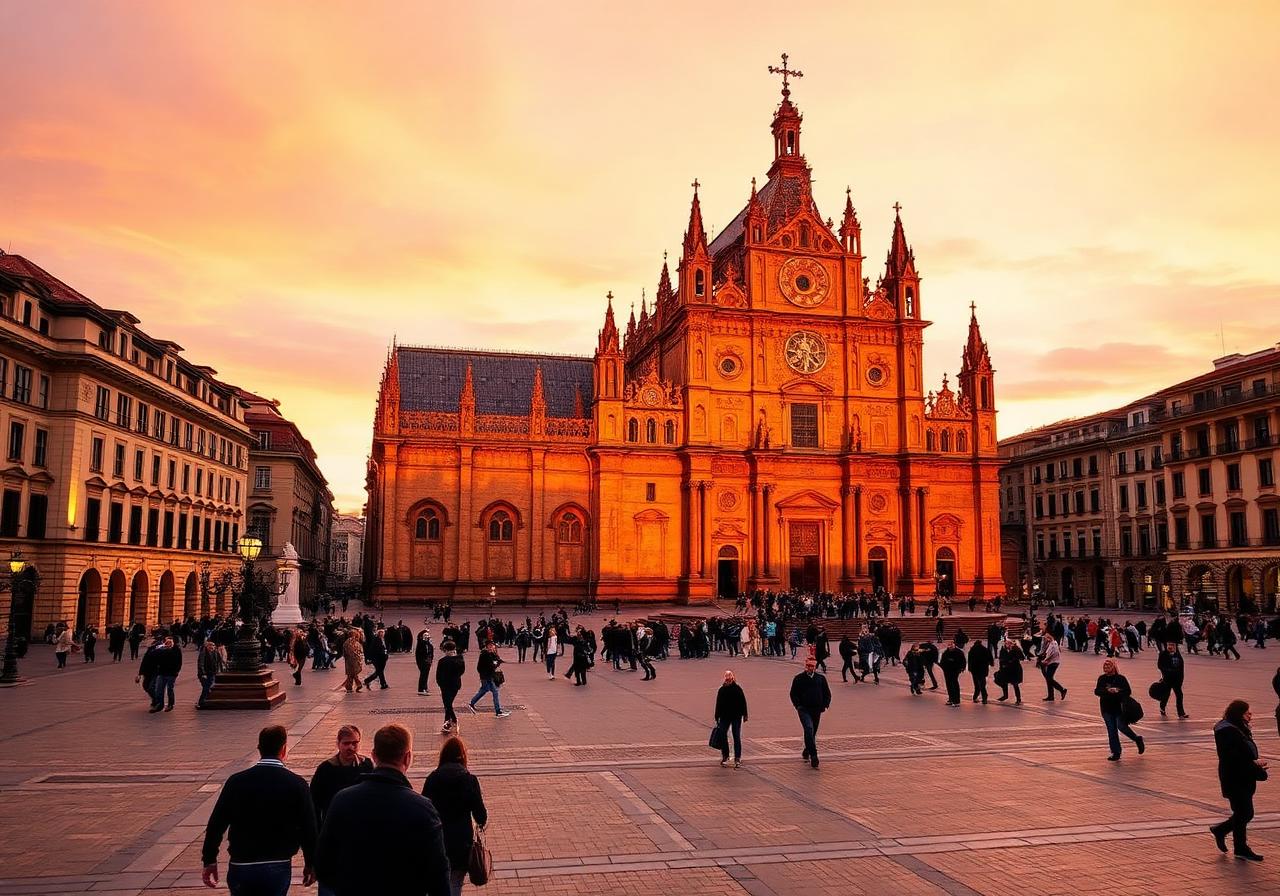
The scallop shell is one of the most recognizable symbols of the Camino de Santiago.
You see it on backpacks, stone markers, church walls, route signs, pilgrim passports, necklaces, souvenirs, and even city sidewalks. For many pilgrims, receiving or tying a shell to their pack feels like the moment the journey becomes real.
But why do pilgrims carry a scallop shell? The answer reaches back into medieval pilgrimage, Christian symbolism, Galician coastline traditions, and the experience of walking toward Santiago de Compostela. Over time, the scallop shell became more than a practical object. It became a symbol of journey, identity, arrival, and transformation.
Whether you walk the Camino for faith, adventure, healing, or curiosity, the shell connects you to centuries of pilgrims who followed The Way before you.
The scallop shell is the symbol of the Camino. It is the traditional symbol of the Camino de Santiago and the pilgrimage to the tomb of Saint James. In Spanish, it is often called the vieira. Pilgrims commonly attach a shell to their backpack, wear it around their neck, or carry it as a keepsake. Along the route, shell symbols help mark the way, especially on official Camino signs and monuments. The shell has become so strongly connected to the Camino that even people who know little about the pilgrimage often recognize it as part of the journey to Santiago.
The connection between the shell and Saint James. The scallop shell is closely connected to Saint James, the apostle whose supposed tomb is in Santiago de Compostela. According to tradition, after Saint James was martyred in Jerusalem, his body was transported by boat to Galicia. Several legends connect the arrival of his body with the sea and with shells. One popular legend says that when the boat carrying Saint James' body reached the coast, a rider and horse were miraculously saved from drowning and emerged from the water covered in scallop shells. Like many Camino traditions, the story blends faith, legend, symbolism, and mystery. Whether taken literally or not, it helped link Saint James, the sea, and the scallop shell in the imagination of pilgrims.
Pilgrims may have collected shells at the coast. Another practical explanation is that medieval pilgrims collected scallop shells when they reached the Galician coast. Some pilgrims continued beyond Santiago to Finisterre or Muxía, places on the Atlantic coast. Finisterre was once known as the end of the world, and for many pilgrims it became a natural extension of the journey. A scallop shell from the coast could serve as proof that the pilgrim had reached the far western edge of the pilgrimage world. Over time, the shell became a badge of completion. Eventually, pilgrims began carrying the shell during the journey itself, not just after finishing.
The shell as proof of pilgrimage. In medieval times, pilgrims often returned home with signs that proved they had completed a pilgrimage. For those who walked to Rome, there were certain badges. For Jerusalem, there were palm branches or other symbols. For Santiago, the scallop shell became the pilgrim's sign. A shell could show that someone had reached Santiago or the Galician coast. It marked them as a person who had made the journey. These symbols mattered because pilgrimage was a major spiritual and social act. Returning home as a pilgrim changed how others saw you — and perhaps how you saw yourself. The shell became a visible sign of that transformation.
The shape of the shell has meaning. Its many lines begin at different points along the outer edge and come together at one central point. This has become a powerful image for the Camino. Many routes. One destination. Pilgrims begin in different countries, cities, and circumstances. Some start in Saint-Jean-Pied-de-Port, Porto, Lisbon, Irún, Oviedo, Ferrol, Seville, or even their own front doors. But all routes lead toward Santiago. The shell beautifully represents this idea of different paths converging into one shared journey.
The shell as a wayfinding symbol. Today, scallop shells are used as official Camino waymarkers in many places. You may see them on stone markers, ceramic tiles, street signs, brass sidewalk markers, church walls, posts along rural paths, pilgrim hostels, and city pavements. Sometimes the shell points the direction of travel. In other places, it simply marks that you are on a Camino route. Combined with the yellow arrow, the shell helps guide pilgrims across Spain, Portugal, France, and beyond. For a tired pilgrim, seeing a shell marker can bring comfort: you are still on The Way.
The shell and the yellow arrow. These are the two most famous visual symbols of the modern Camino. The shell is older and more traditional. The yellow arrow is newer and became widely used during the modern revival of the Camino, especially in the 20th century. Together, they form the visual language of the route. The shell connects pilgrims to medieval history and Saint James. The yellow arrow gives practical direction. One symbolizes tradition. The other says, keep going. Both are deeply loved by pilgrims.
The shell as a symbol of pilgrim identity. Carrying a shell marks you as a pilgrim. On the Camino, this matters. The shell creates recognition between strangers. It quietly says, I am walking too. You may see someone at a train station with a shell on their backpack and immediately understand where they are going. You may spot shells in an albergue, café, or airport and feel connected to people you have never met. The shell becomes part of the shared identity of the Camino. It reminds you that even when you walk alone, you are part of a larger community.
Does every pilgrim need to carry a shell? No, you do not have to carry a scallop shell to walk the Camino. It is not required to receive a Compostela certificate, and no one will stop you from walking without one. However, many pilgrims choose to carry one because of its meaning and tradition. It is simple, lightweight, symbolic, and easy to attach to a backpack. For many people, the shell becomes one of the most meaningful objects they bring home. It is not necessary, but it is special.
Where do you get a Camino shell? Pilgrims can find scallop shells in many places before or during the Camino. You may get one from pilgrim offices, churches, albergues, Camino shops, starting towns like Saint-Jean-Pied-de-Port, friends or former pilgrims, online Camino stores, or Santiago itself. Some pilgrims receive a shell as a gift, which can make it even more meaningful. If possible, try to get one before or at the beginning of your walk so it becomes part of your journey from the start.
How do pilgrims wear or carry the shell? Most pilgrims tie the scallop shell to the outside of their backpack. This makes it visible and allows it to move with the rhythm of the walk. Some attach it to the back, side, or top of the pack. Others wear smaller shells as necklaces, bracelets, or keychains. Some keep the shell inside their bag to protect it. There is no single correct way to carry it. The shell is personal. How you carry it is up to you.
The shell as a souvenir. For many pilgrims, the scallop shell becomes one of the most treasured souvenirs of the Camino. Unlike a typical souvenir, it carries memory. It may remind you of rain, blisters, shared meals, mountain mornings, old stone villages, hard climbs, laughter, silence, and arrival in Santiago. A shell may sit on a shelf for years and still bring back the feeling of walking. It becomes more than an object. It becomes a memory anchor.
The shell and Finisterre. The shell also connects strongly to the Atlantic coast beyond Santiago. Many pilgrims continue walking to Finisterre, once associated with the edge of the known world. The coast gives the shell another layer of meaning. After days or weeks of inland walking, reaching the ocean can feel powerful. The shell belongs to that world of water, endings, and renewal. For pilgrims who continue to Finisterre or Muxía, the scallop shell can symbolize not just arrival in Santiago, but completion at the sea.
The shell in Camino art and architecture. The scallop shell appears throughout Camino art and architecture. You can find it carved into churches, built into fountains, painted on signs, engraved into stones, and incorporated into modern logos and route markers. Its presence reminds pilgrims that they are walking through a landscape shaped by centuries of pilgrimage. The shell is simple, but it carries enormous historical and emotional weight.
The shell as a spiritual symbol. For religious pilgrims, the shell can represent Saint James, baptism, pilgrimage, humility, and spiritual journey. For non-religious pilgrims, it can represent movement, openness, transformation, and belonging. The beauty of the Camino is that symbols can hold different meanings for different people. The shell does not force one interpretation. It invites reflection. That is part of why it has lasted so long.
Why the scallop shell still matters today. The Camino is not just a hike. It is a journey with history, ritual, and meaning. The shell connects the modern pilgrim to medieval walkers, coastal legends, Saint James, Santiago, Finisterre, and the thousands of people walking today. It is small, but it carries the whole Camino in miniature. When you see it, you remember: you are on a path walked by many before you.
Final thoughts. Pilgrims carry a scallop shell on the Camino de Santiago because it is the ancient symbol of the pilgrimage to Saint James. It may have begun as proof of reaching the Galician coast. It became connected to Saint James through legend. Its shape came to represent many routes leading to one destination. Today, it marks the way, identifies pilgrims, and carries deep personal meaning. You do not need a shell to walk the Camino. But if you carry one, it may become one of the most meaningful things you bring home. Buen Camino.
Keep exploring
Next stops & related posts
Towns, stages, and stories connected to this article — your jumping-off points to plan the next stretch of the Camino.
Pilgrim guides
- Roncesvalles monastery & albergue
- Samos monastery lodging
- Foncebadón mountain albergues
- O Cebreiro pilgrim shelters
- All lodging articles
- Camino Primitivo (mountain terrain)
- Camino del Norte (coastal weather)
- Foncebadón (high pass)
- O Cebreiro (Galician mountains)
- Santiago de Compostela cathedral
- León cathedral city
- Burgos cathedral city
- Samos monastery
- Roncesvalles monastery
- O Cebreiro pre-Romanesque church
- All history articles
Towns to visit
Galicia
Santiago de Compostela
The journey's end — and for many pilgrims, a new beginning.
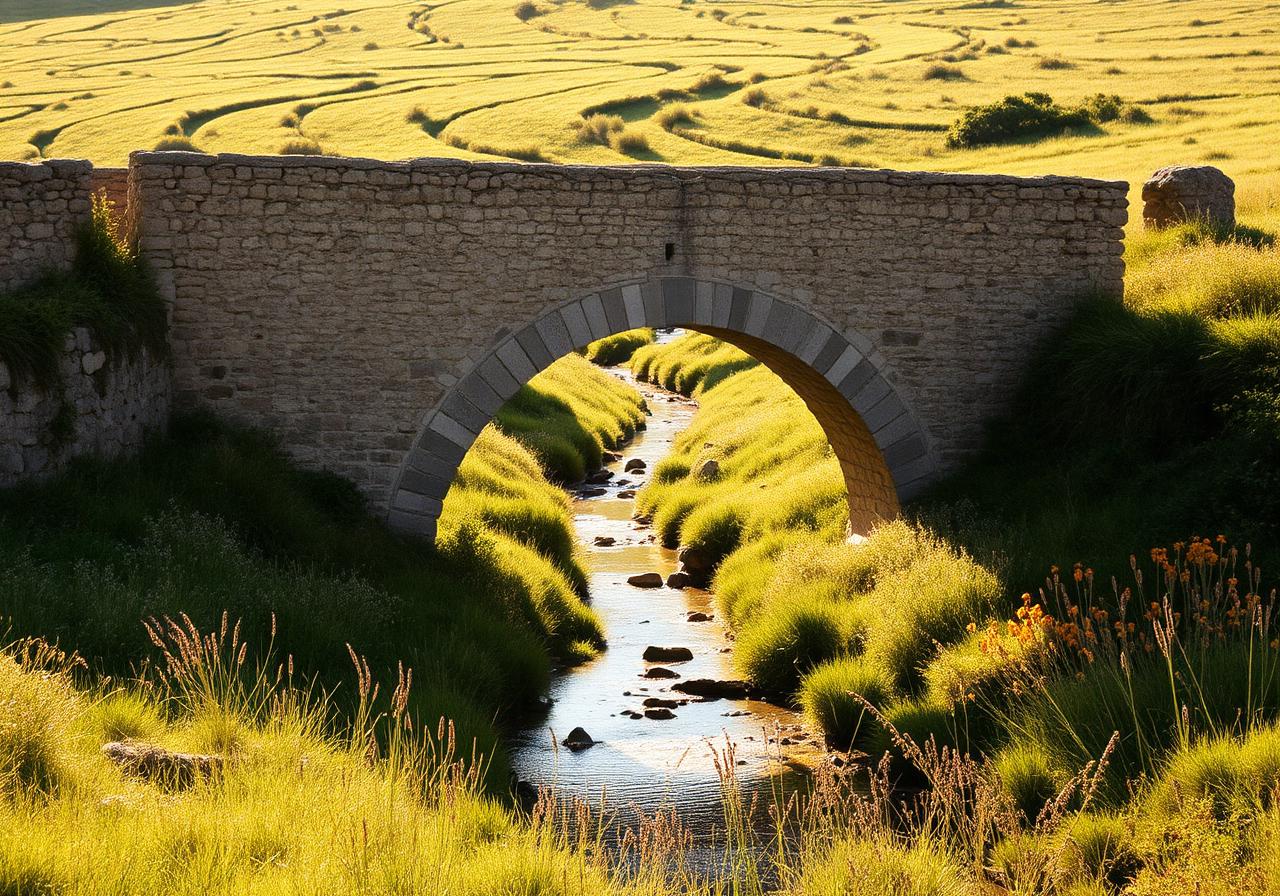
Pyrénées-Atlantiques, France
Saint-Jean-Pied-de-Port
The traditional starting point — a fortified Basque town at the foot of the Pyrenees.
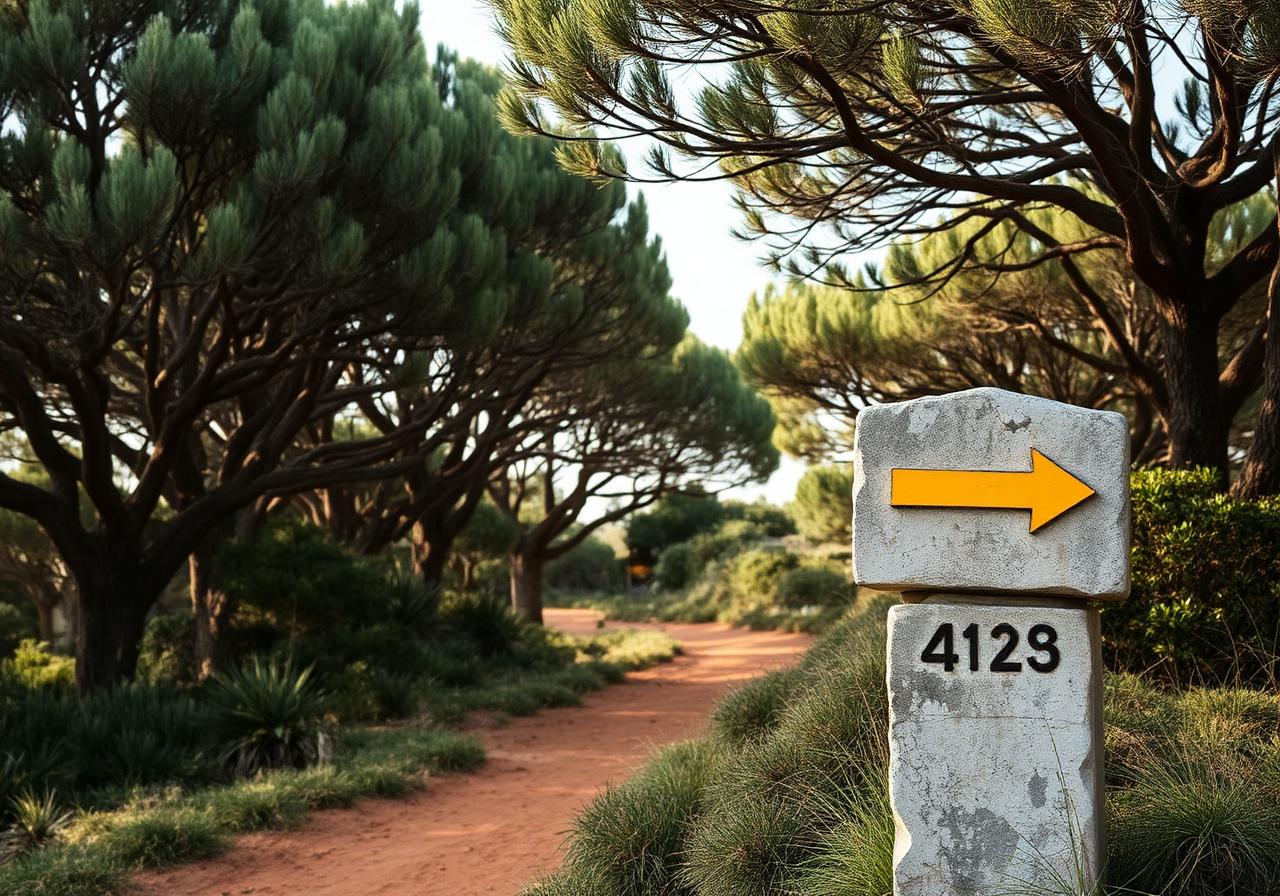
Norte, Portugal
Porto
The Douro's port-wine city and starting point for most Portugués pilgrims.
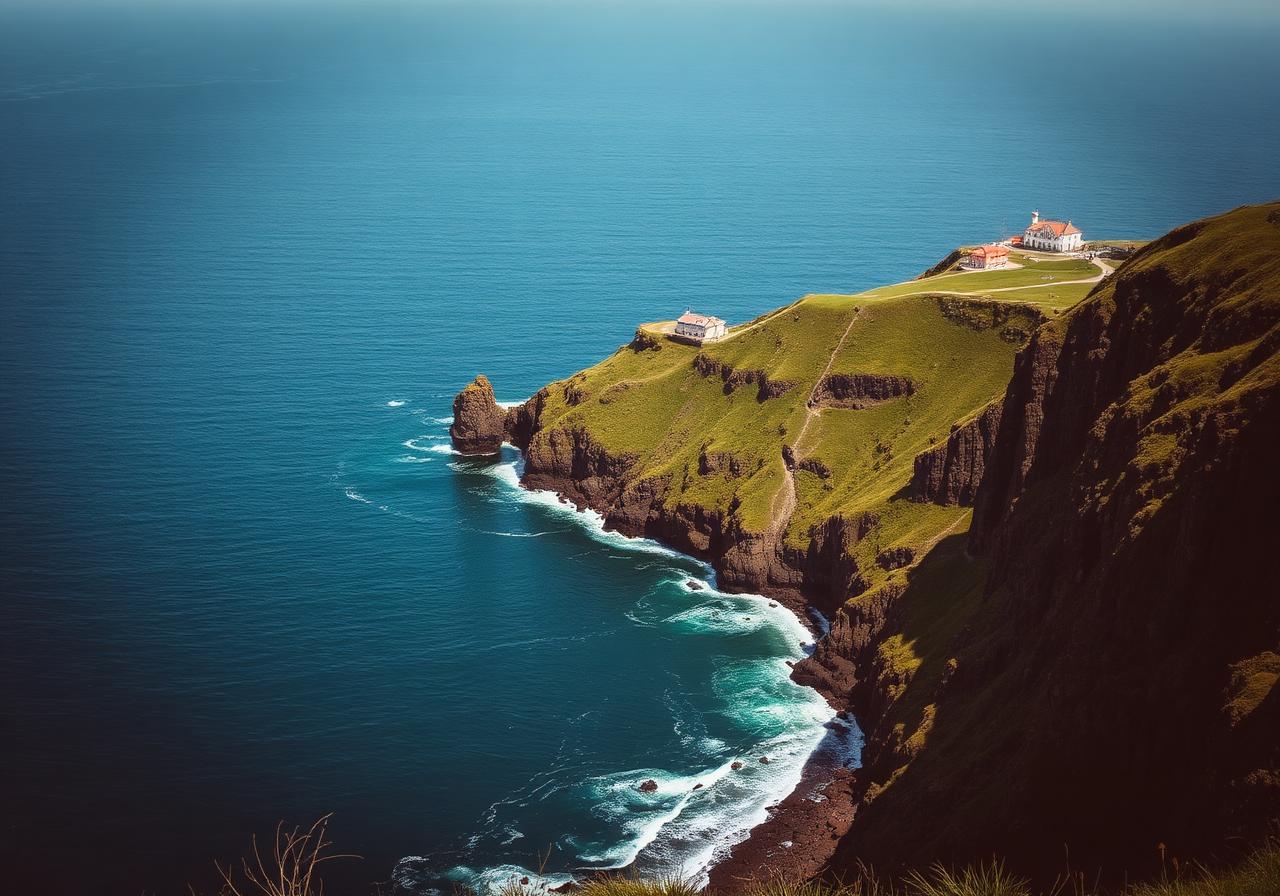
Galicia
Ferrol
The naval port where most modern Camino Inglés pilgrims begin — a deep Atlantic ría on Galicia's north coast.
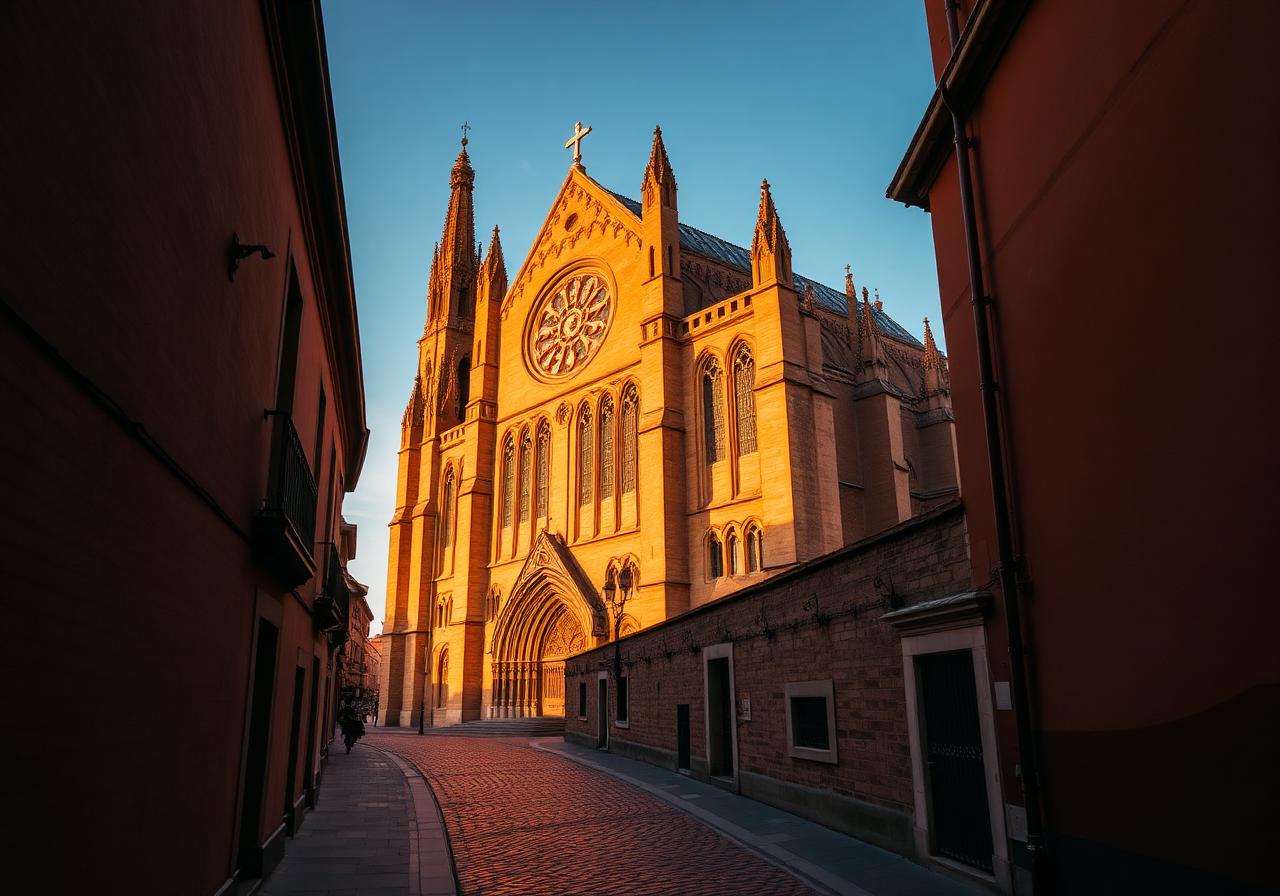
Asturias
Oviedo
The royal capital of Asturias and birthplace of the Camino — where King Alfonso II began the first pilgrimage.
Suggested stages
Camino Francés · Stage 33
O Pedrouzo → Santiago de Compostela
20 km · 240 m · Moderate
Camino Portugués · Stage 11
Padrón → Santiago de Compostela
25 km · 280 m · Moderate
Camino del Norte · Stage 1
Irún → San Sebastián
24 km · 700 m · Challenging
Camino del Norte · Stage 2
San Sebastián → Zarautz
22 km · 580 m · Challenging
Camino del Norte · Stage 3
Zarautz → Deba
22 km · 750 m · Challenging
Related routes
More Camino symbols & history
Where the Camino's most recognisable signs come from, and the history behind the symbols you'll see along the way.
Culture
The Meaning of the Yellow Arrows on the Camino de Santiago
Discover the meaning of the yellow arrows on the Camino de Santiago, where they came from, and why they have become one of the most beloved symbols of The Way.
Culture
The Complete History of the Camino de Santiago
From the legend of Saint James and medieval pilgrimage routes to the modern revival — a thousand-year story behind the Way of Saint James.
Culture
The Medieval Pilgrim Experience on the Camino de Santiago
Discover what life was like for medieval pilgrims walking the Camino de Santiago, from dangerous roads and simple shelters to faith, hardship, and hospitality.
Culture
Why Did Pilgrims Walk to Finisterre?
Discover why pilgrims walked from Santiago to Finisterre, the "end of the world," and how this Atlantic extension became one of the most meaningful parts of the Camino.
Spirituality
The Best Day of My Life: Reaching Finisterre
Most pilgrims stop in Santiago. The ones who walk three more days to the Atlantic say it was the real ending. Here's why.
Culture
Who Was Saint James and Why Is He Connected to Santiago?
Learn who Saint James was, why he is connected to Santiago de Compostela, and how his legend became the foundation of the Camino de Santiago pilgrimage.
Related posts
Culture
tomb of Saint James
Learn the story behind the discovery of Saint James' tomb in Santiago de Compostela and how this legend became the foundation of the Camino de Santiago pilgrimage.
Practical
how long does the Camino take
Realistic timelines for every major Camino route, with daily distance averages and tips for fitting it into a working life.
Food
Camino de Santiago food
From Basque pintxos to Galician pulpo, the Camino is a tour of Spain's regional cooking. Here's what to order in each region you walk through.
More posts like this
Articles that share keywords, routes, or towns with this one.
Culture
The Discovery of Saint James' Tomb
- tomb of Saint James
- 3 shared routes
Culture
Who Was Saint James and Why Is He Connected to Santiago?
- 3 shared routes
- 1 shared town
Culture
Why Is Santiago de Compostela Important?
- 3 shared routes
- 1 shared town
Culture
How the Camino de Santiago Became One of Europe's Great Pilgrimages
- 3 shared routes
- 1 shared town
Read next
Culture
Who Was Saint James and Why Is He Connected to Santiago?
Learn who Saint James was, why he is connected to Santiago de Compostela, and how his legend became the foundation of the Camino de Santiago pilgrimage.
12 min read
Culture
Why Is Santiago de Compostela Important?
Discover why Santiago de Compostela is important, from the legend of Saint James and its medieval pilgrimage history to its role as the final destination of the Camino de Santiago.
11 min read
Culture
The Discovery of Saint James' Tomb
Learn the story behind the discovery of Saint James' tomb in Santiago de Compostela and how this legend became the foundation of the Camino de Santiago pilgrimage.
12 min read
Culture
How the Camino de Santiago Became One of Europe's Great Pilgrimages
Discover how the Camino de Santiago grew from a local shrine in Galicia into one of medieval Europe's greatest pilgrimage routes.
14 min read
Culture
The Medieval Pilgrim Experience on the Camino de Santiago
Discover what life was like for medieval pilgrims walking the Camino de Santiago, from dangerous roads and simple shelters to faith, hardship, and hospitality.
13 min read
Culture
The Role of Monasteries and Churches Along the Camino de Santiago
Explore the role of monasteries and churches along the Camino de Santiago and how they supported pilgrims through shelter, prayer, hospitality, and history.
12 min read