
Culture
Why the Camino de Santiago Still Matters Today
Discover why the Camino de Santiago still matters today and why this ancient pilgrimage continues to attract modern walkers seeking meaning, healing, adventure, and connection.
April 29, 2026 · 13 min read
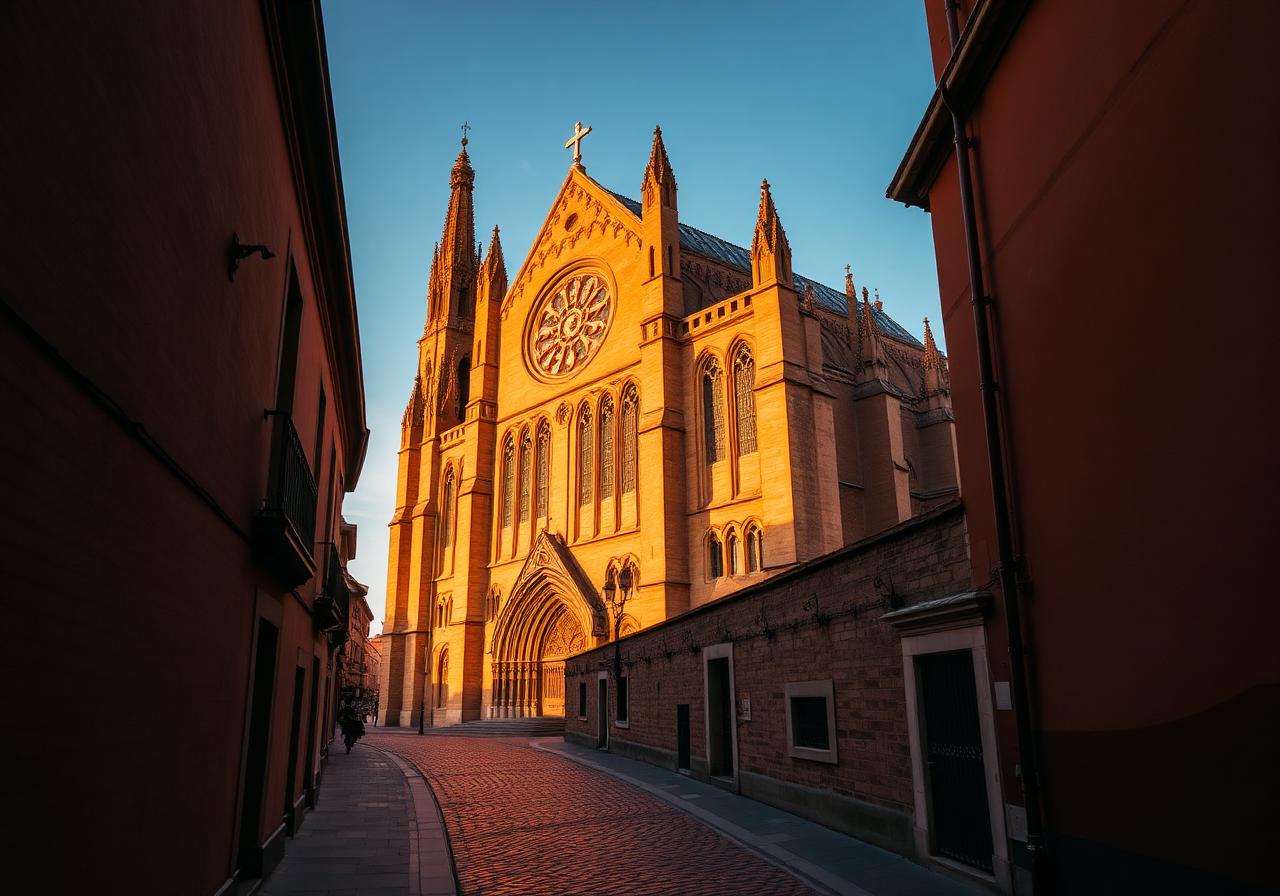
The Camino de Santiago is more than a historic pilgrimage route. It is more than a long walk across Spain, Portugal, France, or the coast of Galicia. It is more than yellow arrows, scallop shells, albergues, cathedrals, stamps, and backpacks. The Camino still matters today because it gives people something modern life often takes away: time, space, simplicity, connection, challenge, silence, and meaning.
For more than a thousand years, people have walked toward Santiago de Compostela. Their reasons have changed, but the pull of the Camino remains. Medieval pilgrims walked for faith, penance, healing, and devotion. Modern pilgrims may walk for those same reasons, but also for grief, burnout, adventure, transition, curiosity, or self-discovery. The world has changed dramatically. But the human need for a meaningful journey has not.
The Camino matters because it slows life down. Modern life moves quickly. Most people are surrounded by schedules, screens, bills, deadlines, notifications, traffic, stress, and constant noise. Days can pass in a blur without much time to think. The Camino interrupts that pace. On the Camino, life becomes simple. You wake up, pack your bag, walk, eat, rest, talk, sleep, and repeat. Your world shrinks to the next village, the next café, the next hill, the next yellow arrow. This simplicity can feel uncomfortable at first. Then it becomes freeing. The Camino matters because it reminds people that life does not always need to be so complicated.
It gives people time to think. Many people walk the Camino during major life transitions. Some have lost someone they love. Some are recovering from burnout. Some are ending relationships, changing careers, retiring, healing from illness, or trying to understand what comes next. The Camino gives people time to think without forcing answers immediately. Walking creates space. Thoughts rise and fall. Memories return. Emotions surface. Conversations with strangers open doors that normal life often keeps closed. The Camino does not solve everything. But it gives people enough quiet to finally hear themselves.
It turns pain into movement. One reason the Camino is powerful is that it gives pain somewhere to go. Grief, stress, heartbreak, confusion, and emotional exhaustion can feel trapped inside a person. On the Camino, those feelings move with the body. You walk with them. Step by step, the pain changes shape. Not always quickly. Not always completely. But movement helps. Physical discomfort also becomes part of the process. Blisters, sore knees, tired legs, aching shoulders, rain, heat, and exhaustion teach humility. They remind pilgrims that struggle can be survived. The Camino matters because it turns suffering into a road.
It creates real human connection. The Camino is one of the easiest places in the world to have honest conversations with strangers. People arrive from different countries, cultures, ages, religions, and backgrounds. Yet within hours, they may be sharing meals, stories, fears, hopes, grief, laughter, and silence. There is something about walking that removes small talk. On the Camino, people often ask better questions. Why are you walking? What brought you here? What are you carrying? What are you hoping to find? These conversations can feel deeply human. In a world where many people feel isolated, the Camino creates community quickly and naturally.
It reminds us that strangers can be kind. The Camino is built on hospitality. A hospitalero welcomes you when you are exhausted. A café owner fills your water bottle. A fellow pilgrim gives you blister tape. A local points you back to the route when you miss a turn. Someone saves you a bunk, shares food, or waits for you at the next town. These small acts matter. They rebuild trust in people. The Camino matters because it reminds pilgrims that kindness still exists — often in simple, practical ways.
It connects modern people to ancient history. Walking the Camino is not like reading history from a distance. It is history under your feet. You pass Roman roads, medieval bridges, old monasteries, pilgrim hospitals, village churches, castle towns, cathedral cities, and ancient waymarkers. You follow paths walked by people centuries before you. The Camino makes history physical. You are not just learning about the past. You are moving through it. That connection gives the journey depth. It reminds modern pilgrims that they are part of a story much older than themselves.
It gives people a sense of purpose. Many people feel lost in modern life, even when things look fine from the outside. The Camino gives a simple purpose: walk toward Santiago. That goal is clear enough to follow but open enough to hold many meanings. Each day has direction. Each step matters. Progress is visible. Distance becomes something you can feel. In a world where goals can feel abstract or overwhelming, walking provides honest progress. You know what you did that day. You moved forward.
It teaches people to carry less. On the Camino, everything you carry has weight. This becomes obvious quickly. Extra clothes, unnecessary gear, heavy books, and small comforts all become burdens after enough kilometers. Pilgrims learn to ask: Do I really need this? That question often becomes emotional and spiritual. What else am I carrying that I do not need? Old guilt? Expectations? Fear? Anger? Pressure? A version of myself that no longer fits? The Camino matters because it teaches simplicity through the body. You cannot fake the lesson. Your shoulders know.
It builds confidence. Many pilgrims begin the Camino unsure if they can do it. They worry about distance, fitness, language, being alone, getting lost, sleeping in albergues, or dealing with pain. Then they walk. One day becomes two. Two becomes ten. The impossible becomes routine. The body adapts. The mind gets stronger. Problems get solved. By the time pilgrims reach Santiago, many realize they are capable of more than they thought. The Camino matters because it gives people evidence of their own resilience.
It welcomes different reasons for walking. One of the beautiful things about the Camino is that it does not require everyone to walk for the same reason. Some walk for God. Some walk for grief. Some walk for adventure. Some walk for fitness. Some walk because a friend told them to go. Some walk without knowing why. The Camino has room for all of them. This openness is part of why it still matters. It is rooted in Christian pilgrimage history, but its modern meaning has expanded. The path does not demand a perfect explanation. It simply invites people to begin.
It is both personal and shared. Every pilgrim walks their own Camino. Your reasons, thoughts, pain, pace, friendships, and memories are yours. No one else can walk it exactly the way you do. At the same time, the Camino is deeply shared. You follow the same arrows. Sleep in the same towns. Eat at the same tables. Arrive at the same cathedral. Meet others who understand the rhythm of the road. This balance is rare. The Camino matters because it lets people be alone without being lonely.
It makes ordinary moments feel meaningful. On the Camino, small things become powerful. A coffee at sunrise. Dry socks after rain. A bench under a tree. A church bell in a quiet village. A shared orange. A hot shower. A yellow arrow after getting lost. A simple meal after a hard day. Modern life often trains people to chase big experiences. The Camino teaches attention. It shows that ordinary moments can become unforgettable when you are fully present.
It helps people reconnect with nature. Many Camino routes pass through mountains, forests, vineyards, farms, rivers, coastlines, and open plains. Walking through these landscapes day after day changes how people feel. Weather becomes part of life again. Sunrise matters. Shade matters. Rain matters. Wind matters. The body becomes connected to the land. For people who spend much of life indoors or online, this can feel healing. The Camino matters because it restores a relationship with the natural world.
It encourages reflection without forcing it. Not every Camino moment is profound. Some days are boring. Some are frustrating. Some are uncomfortable. Some are just about finding lunch and getting laundry done. But reflection happens naturally over time. The Camino does not need to force meaning. The repetition of walking creates it slowly. A thought that seemed confusing on day one may become clear by day twenty. A conversation may stay with you for years. A hard climb may teach more than expected. The Camino works quietly.
It offers a different kind of success. Modern success is often measured by money, status, productivity, image, or achievement. The Camino measures success differently. Did you keep going? Were you kind? Did you listen? Did you help someone? Did you learn what to let go of? Did you arrive changed in some small way? The Camino is not about being impressive. It is about being present. That makes it powerful in a world obsessed with performance.
It still holds spiritual power. Even for non-religious pilgrims, the Camino often feels spiritual. There is something about the rhythm of walking, the history of the route, the vulnerability of the journey, and the arrival in Santiago that opens people up. Churches, monasteries, bells, candles, silence, landscapes, and shared hardship all contribute to this feeling. The Camino matters because it gives modern people access to mystery. Not everything has to be explained to be meaningful.
It connects people across cultures. The Camino is a global meeting place. Pilgrims from different countries walk together, eat together, get lost together, and help each other. Language barriers often matter less than expected. The shared experience creates connection. In a divided world, the Camino offers a small but real example of international community. People who might never meet in ordinary life become companions on the road.
It supports rural communities. The modern Camino also matters because it supports towns and villages along the routes. Pilgrims bring life to rural areas by staying in albergues, eating in cafés, shopping locally, visiting churches, and using local services. This economic impact can help preserve communities, buildings, traditions, and cultural heritage. Of course, tourism must be managed responsibly. But when done well, the Camino can support both pilgrims and locals. The road gives back when pilgrims travel respectfully.
It reminds us that endings matter. In everyday life, people often rush from one thing to the next without properly marking endings. The Camino gives people an ending. Arriving in Santiago, standing in Praza do Obradoiro, visiting the cathedral, receiving the Compostela, or continuing to Finisterre creates a moment of closure. That matters. Humans need rituals. We need ways to say: this chapter meant something. The Camino gives people that.
It continues after the walk ends. Many pilgrims say the real Camino begins after they return home. The lessons of the road do not always show themselves immediately. They appear later in choices, priorities, relationships, courage, simplicity, or the desire to live differently. A pilgrim may return to ordinary life, but they are not always the same. The Camino matters because it continues inside people. The walking ends. The meaning keeps unfolding.
Final thoughts. The Camino de Santiago still matters today because it meets a need that modern life often ignores. It gives people time, silence, challenge, history, nature, connection, kindness, purpose, and space to change. It welcomes faith and doubt, grief and joy, adventure and reflection. It asks people to carry less, walk slowly, listen deeply, and trust the next yellow arrow. The Camino has survived for more than a thousand years because each generation finds new meaning in it. People still need journeys. People still need roads that lead not only across land, but inward. That is why the Camino still matters. Buen Camino.
Keep exploring
Next stops & related posts
Towns, stages, and stories connected to this article — your jumping-off points to plan the next stretch of the Camino.
Pilgrim guides
- Roncesvalles monastery & albergue
- Samos monastery lodging
- Foncebadón mountain albergues
- O Cebreiro pilgrim shelters
- All lodging articles
- Camino Primitivo (mountain terrain)
- Camino del Norte (coastal weather)
- Foncebadón (high pass)
- O Cebreiro (Galician mountains)
- Santiago de Compostela cathedral
- León cathedral city
- Burgos cathedral city
- Samos monastery
- Roncesvalles monastery
- O Cebreiro pre-Romanesque church
- All history articles
Towns to visit
Suggested stages
Camino Francés · Stage 33
O Pedrouzo → Santiago de Compostela
20 km · 240 m · Moderate
Camino Portugués · Stage 11
Padrón → Santiago de Compostela
25 km · 280 m · Moderate
Camino del Norte · Stage 1
Irún → San Sebastián
24 km · 700 m · Challenging
Camino del Norte · Stage 2
San Sebastián → Zarautz
22 km · 580 m · Challenging
Camino del Norte · Stage 3
Zarautz → Deba
22 km · 750 m · Challenging
Camino Primitivo · Stage 14
O Pedrouzo → Santiago de Compostela
20 km · 280 m · Moderate
Related routes
Related posts
Culture
Camino yellow arrows meaning
Discover the meaning of the yellow arrows on the Camino de Santiago, where they came from, and why they have become one of the most beloved symbols of The Way.
Culture
Why Did Pilgrims Walk to Finisterre?
Discover why pilgrims walked from Santiago to Finisterre, the "end of the world," and how this Atlantic extension became one of the most meaningful parts of the Camino.
Culture
How the Camino de Santiago Declined and Was Revived
Discover how the Camino de Santiago declined after the Middle Ages and how it was revived into one of the world's most famous pilgrimage routes today.
More posts like this
Articles that share keywords, routes, or towns with this one.
Culture
The Meaning of the Yellow Arrows on the Camino de Santiago
- 5 shared routes
- 1 shared town
Culture
Why Did Pilgrims Walk to Finisterre?
- 5 shared routes
- 1 shared town
Culture
How the Camino de Santiago Declined and Was Revived
- 5 shared routes
- 1 shared town
Culture
The Camino de Santiago in Modern Times
- 5 shared routes
- 1 shared town
Read next
Culture
The Meaning of the Yellow Arrows on the Camino de Santiago
Discover the meaning of the yellow arrows on the Camino de Santiago, where they came from, and why they have become one of the most beloved symbols of The Way.
9 min read
Culture
Why Did Pilgrims Walk to Finisterre?
Discover why pilgrims walked from Santiago to Finisterre, the "end of the world," and how this Atlantic extension became one of the most meaningful parts of the Camino.
11 min read
Culture
How the Camino de Santiago Declined and Was Revived
Discover how the Camino de Santiago declined after the Middle Ages and how it was revived into one of the world's most famous pilgrimage routes today.
13 min read
Culture
The Camino de Santiago in Modern Times
Explore the Camino de Santiago in modern times and how an ancient pilgrimage became a global journey of faith, adventure, healing, culture, and self-discovery.
13 min read
Culture
Who Was Saint James and Why Is He Connected to Santiago?
Learn who Saint James was, why he is connected to Santiago de Compostela, and how his legend became the foundation of the Camino de Santiago pilgrimage.
12 min read
Culture
The Cathedral of Santiago de Compostela: History and Meaning
Discover the history and meaning of the Cathedral of Santiago de Compostela, the spiritual heart of the Camino and the traditional resting place of Saint James.
13 min read