
Gear
What I Wore on the Camino de Santiago (And What I'd Do Differently)
I walked 800km across Spain in Adidas running shoes and gym shorts. Here's exactly what I wore on the Camino de Santiago — and the gear I'd actually recommend instead.
April 29, 2026 · 9 min read
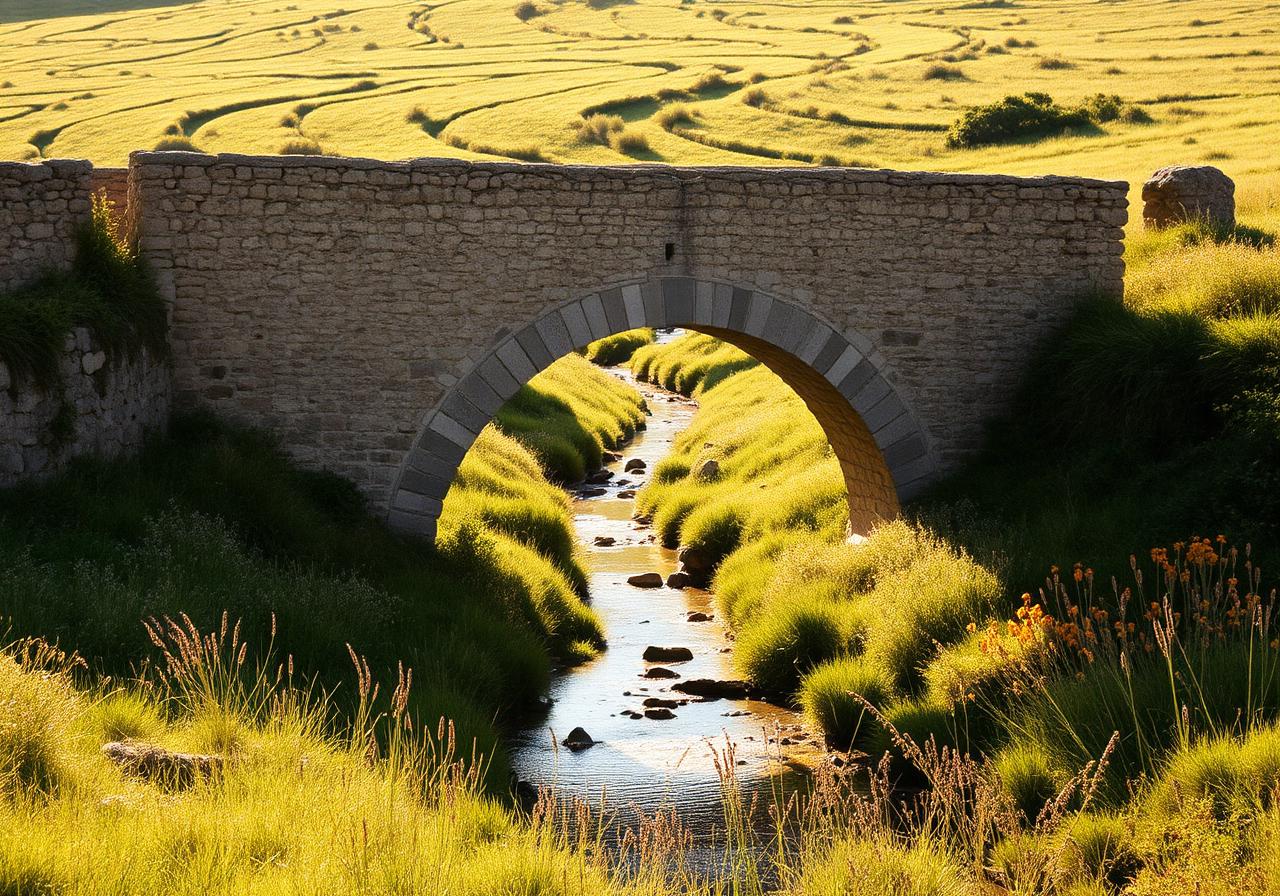
I didn't plan to walk the Camino de Santiago.
I showed up in Europe with half my backpack packed for Thailand — Hawaiian shirts, beach clothes, and nothing remotely meant for hiking. Then a friend told me: "Just go. Don't think about it." So I listened.
A few days later, I was in Saint-Jean-Pied-de-Port about to walk 800km across Spain with a pair of Adidas running shoes, Under Armour gym shorts, a few t-shirts, and zero real hiking gear. Looking back, it was one of the best decisions of my life… but also one of the worst packing jobs.
This is exactly what I used — and what I'd recommend instead. Every recommendation links to my full Camino gear hub where you can see the specific picks I stand behind today.
👟 Shoes (the most important thing you'll bring)
What I used: Adidas running shoes. What happened: they got me through the entire Camino… but barely. No ankle support, not designed for long-distance walking, wore down fast, and constant foot fatigue. I was lucky I didn't get worse injuries.
What I'd recommend instead: trail runners, NOT heavy hiking boots. Lightweight, breathable, with good grip for wet terrain. Look for Salomon trail runners, HOKA hiking shoes, or Merrell lightweight hikers. See my full picks in the Camino footwear guide and the best Camino shoes for 2026.
Lesson: shoes will make or break your Camino. Don't wing this like I did.
🧦 Socks (underrated but critical)
What I used: basic athletic socks. What happened: blisters, chafing, constant discomfort.
What I'd recommend: merino wool hiking socks with anti-blister design and moisture-wicking. Pair them with the prevention routine in how to prevent blisters on the Camino, and grab my sock picks in the foot care section of the gear hub.
Lesson: good socks are cheaper than dealing with blisters for 800km.
🩳 Shorts and clothing
What I used: Under Armour athletic shorts, random t-shirts, and a bunch of useless "travel clothes." What worked: lightweight gear and quick-dry material. What didn't: overpacking and bringing clothes I never wore.
What I'd do now: 2–3 athletic shirts, 1–2 shorts, 1 lightweight long sleeve, and minimal everything. My current shortlist lives in the clothing section of the gear hub.
Lesson: you'll wear the same 2 outfits on repeat. Pack less.
🎒 Backpack
What I used: a standard travel backpack. Too big, too heavy, wrong straps for daily walking.
What I'd recommend: a 30–40L pack max, lightweight, with comfortable straps and a real hip belt. See the backpack picks and the ultimate Camino packing list for what to put inside it.
Rule of thumb: your loaded pack should be under 10% of your body weight.
🌧️ Rain gear
What I had: basically nothing useful. Reality: you WILL get rained on — especially heading into Galicia and toward Santiago, where we walked through a full storm. The whole story is in my best day to Finisterre.
What you need: a lightweight rain jacket and a backpack rain cover. Both are in the rain protection section.
🩹 Blister and recovery kit
What I had: nothing prepared. What I wish I had: Compeed blister pads, foot tape, and an anti-chafe balm. The full kit is in the foot care section.
Lesson: you don't need much — but you NEED this.
🧴 Extras that actually matter
Keep it simple: flip flops for showers, a small toiletry kit, a portable charger, and a lightweight microfiber towel. The tech and small essentials sections cover the few extras worth carrying.
❌ What you DON'T need
This is where most people mess up. Don't bring too many clothes, heavy hiking boots, "just in case" items, or bulky gear. Every extra item becomes pain after 20km. If you want to see how little is actually possible, read I walked the Camino with almost no gear.
🧠 The biggest lesson I learned
I went into the Camino completely unprepared. Wrong shoes, wrong clothes, no real plan. But I adapted — and that's part of what made the experience so powerful. That said: if you can avoid unnecessary pain, you should. The Camino isn't about suffering through bad gear. It's about the journey, the people, and what you discover along the way. More on that in why the Camino de Santiago still matters.
🎒 My recommended Camino gear setup (simple version)
If I did it again, I'd bring: trail running shoes, 3 pairs of merino socks, 2–3 lightweight shirts, 1–2 shorts, a rain jacket, a small 30–40L backpack, and a basic blister kit. That's it. Simple beats perfect. The full curated list with current picks lives on the Camino gear hub.
Final thoughts
You don't need perfect gear to walk the Camino. I proved that. But having the right setup will make your experience 10x better — less pain, more enjoyment, more energy to actually experience what the Camino is about.
If you're thinking about going, don't overthink it. Just don't pack like I did. Start with the Camino gear hub, then read the [complete guide to the Camino Francés](/blog/complete-guide-camino-frances) to plan the rest.
Buen Camino.
Frequently asked questions
- Can you walk the Camino de Santiago in running shoes?
- Yes — I walked all 800km of the Camino Francés in regular Adidas running shoes. It worked, but barely. Road runners aren't built for long-distance hiking, so you'll get more foot fatigue and faster wear. If you're starting from scratch, a pair of trail runners with a rock plate and grippy outsole is a much better choice for the Camino.
- Do I need hiking boots for the Camino de Santiago?
- No. Heavy hiking boots are usually overkill on the Camino. Most of the route is dirt tracks, gravel, and pavement, not technical mountain terrain. Lightweight trail running shoes are lighter, dry faster, and cause fewer blisters for most pilgrims. Boots make sense mainly if you have weak ankles or are walking in deep winter.
- How much should my Camino backpack weigh?
- A common rule is to keep your loaded pack under 10% of your body weight (excluding water). For most pilgrims that means a 30–40L pack weighing 6–8kg. The lighter you go, the more you'll enjoy long days. If your pack feels heavy on day one, it will feel brutal by day ten.
- What clothes should I pack for the Camino?
- Keep it simple: 2–3 quick-dry shirts, 1–2 pairs of shorts or hiking pants, one lightweight long sleeve, a rain jacket, and 3 pairs of merino wool socks. You'll wash and wear the same outfits on repeat. Anything else usually ends up as dead weight in the bottom of your pack.
Keep exploring
Next stops & related posts
Towns, stages, and stories connected to this article — your jumping-off points to plan the next stretch of the Camino.
Pilgrim guides
Towns to visit
Suggested stages
Camino Francés · Stage 1
Saint-Jean-Pied-de-Port → Roncesvalles
25 km · 1390 m · Challenging
Camino Francés · Stage 2
Roncesvalles → Zubiri
22 km · 220 m · Moderate
Camino Francés · Stage 3
Zubiri → Pamplona
21 km · 80 m · Easy
Camino Portugués · Stage 1
Porto → Vilarinho
27 km · 320 m · Moderate
Camino Portugués · Stage 2
Vilarinho → Barcelos
30 km · 250 m · Moderate
Camino Portugués · Stage 3
Barcelos → Ponte de Lima
33 km · 300 m · Challenging
Related routes
Related posts
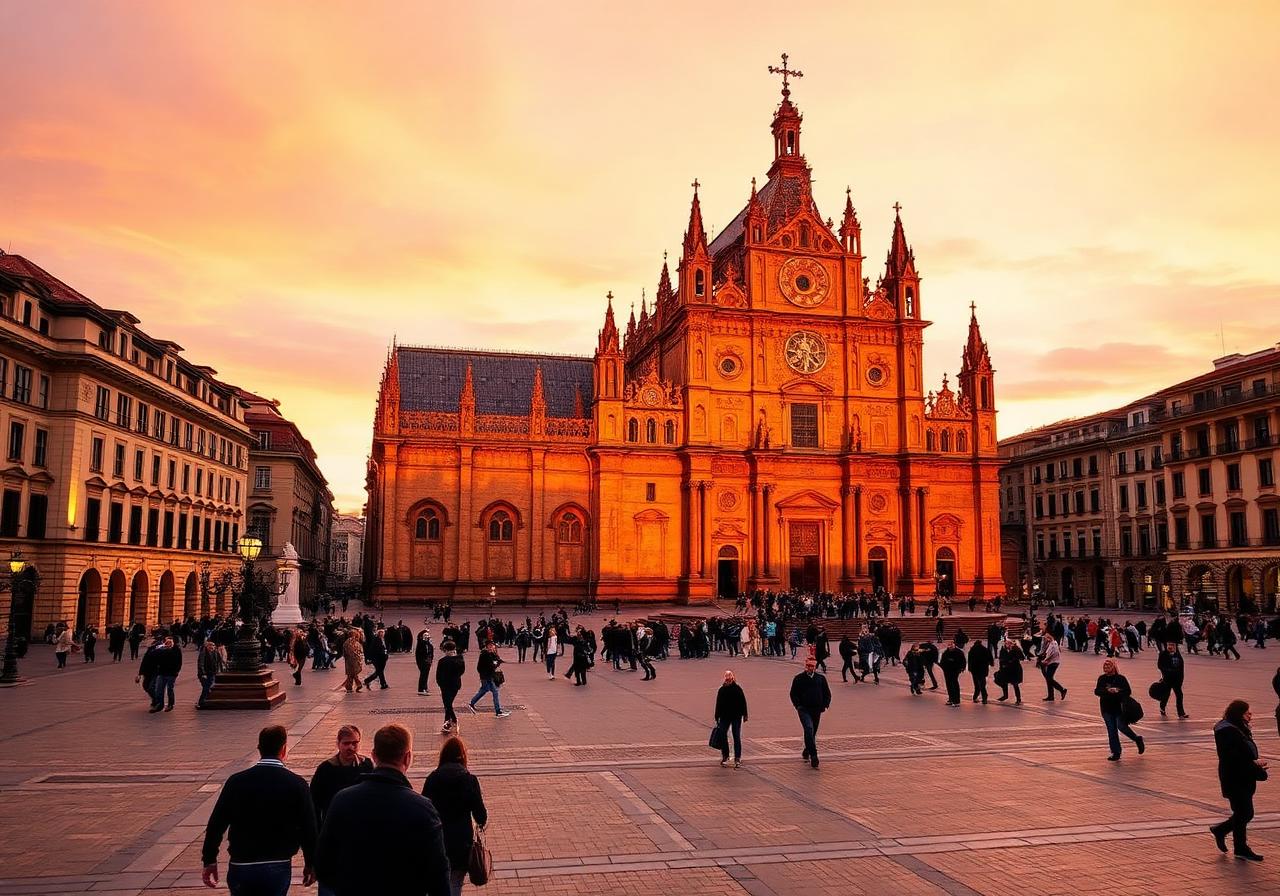
Culture
history of the Camino de Santiago
From the legend of Saint James and medieval pilgrimage routes to the modern revival — a thousand-year story behind the Way of Saint James.
Practical
Camino Francés guide
Everything you need to plan the most popular Camino: 33 stages from Saint-Jean-Pied-de-Port to Santiago, with town stops, distances, and honest tips.
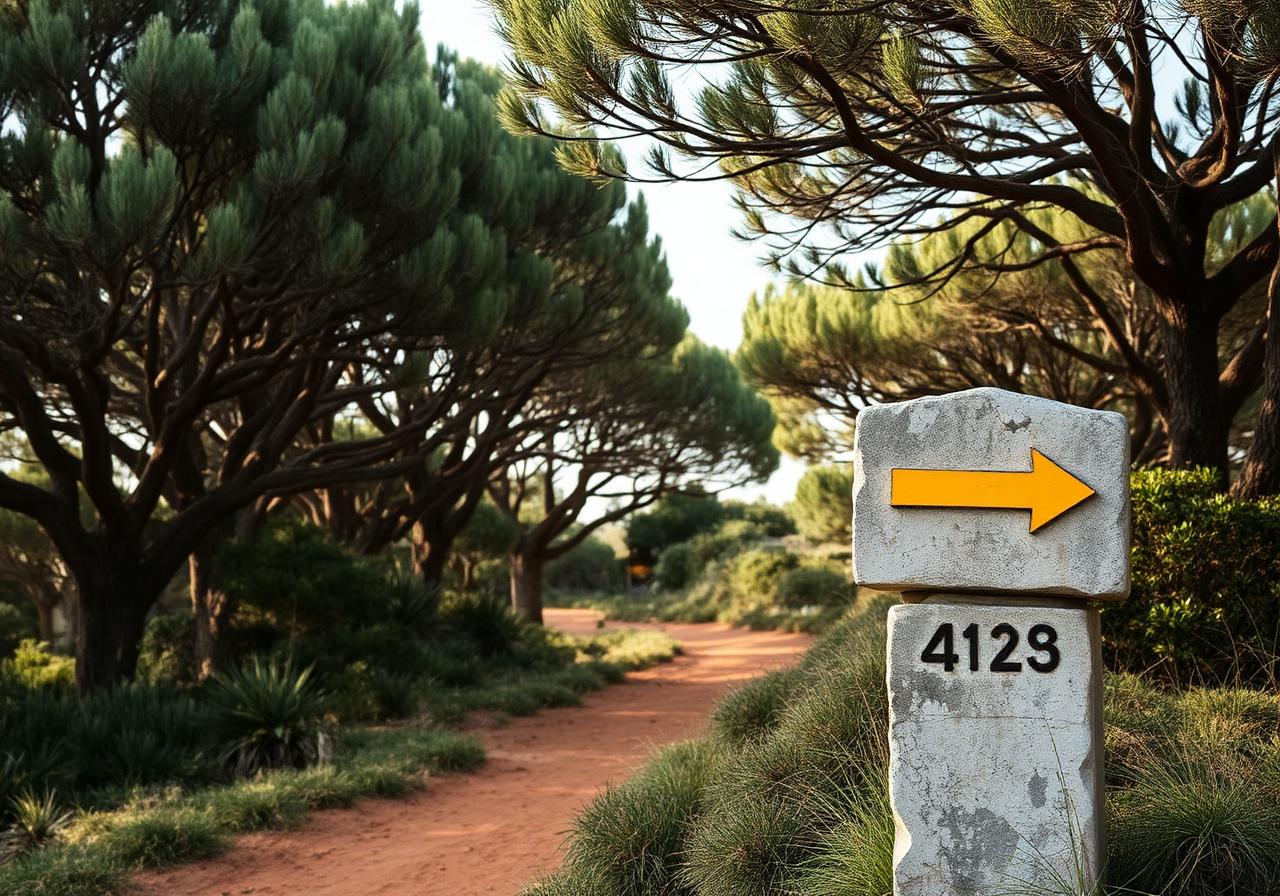
Practical
Camino Francés vs Portugués
A side-by-side comparison of the two most popular Caminos — distance, scenery, crowds, food, and which one suits which kind of pilgrim.
More posts like this
Articles that share keywords, routes, or towns with this one.
Culture
The Complete History of the Camino de Santiago
- 2 shared routes
- 2 shared towns
Culture
Who Was Saint James and Why Is He Connected to Santiago?
- 2 shared routes
- 1 shared town
Culture
Why Is Santiago de Compostela Important?
- 2 shared routes
- 1 shared town
Culture
The Discovery of Saint James' Tomb
- 2 shared routes
- 1 shared town
Read next
Culture
The Complete History of the Camino de Santiago
From the legend of Saint James and medieval pilgrimage routes to the modern revival — a thousand-year story behind the Way of Saint James.
14 min read
Culture
Who Was Saint James and Why Is He Connected to Santiago?
Learn who Saint James was, why he is connected to Santiago de Compostela, and how his legend became the foundation of the Camino de Santiago pilgrimage.
12 min read
Culture
Why Is Santiago de Compostela Important?
Discover why Santiago de Compostela is important, from the legend of Saint James and its medieval pilgrimage history to its role as the final destination of the Camino de Santiago.
11 min read
Culture
The Discovery of Saint James' Tomb
Learn the story behind the discovery of Saint James' tomb in Santiago de Compostela and how this legend became the foundation of the Camino de Santiago pilgrimage.
12 min read
Culture
How the Camino de Santiago Became One of Europe's Great Pilgrimages
Discover how the Camino de Santiago grew from a local shrine in Galicia into one of medieval Europe's greatest pilgrimage routes.
14 min read
Culture
The Medieval Pilgrim Experience on the Camino de Santiago
Discover what life was like for medieval pilgrims walking the Camino de Santiago, from dangerous roads and simple shelters to faith, hardship, and hospitality.
13 min read